



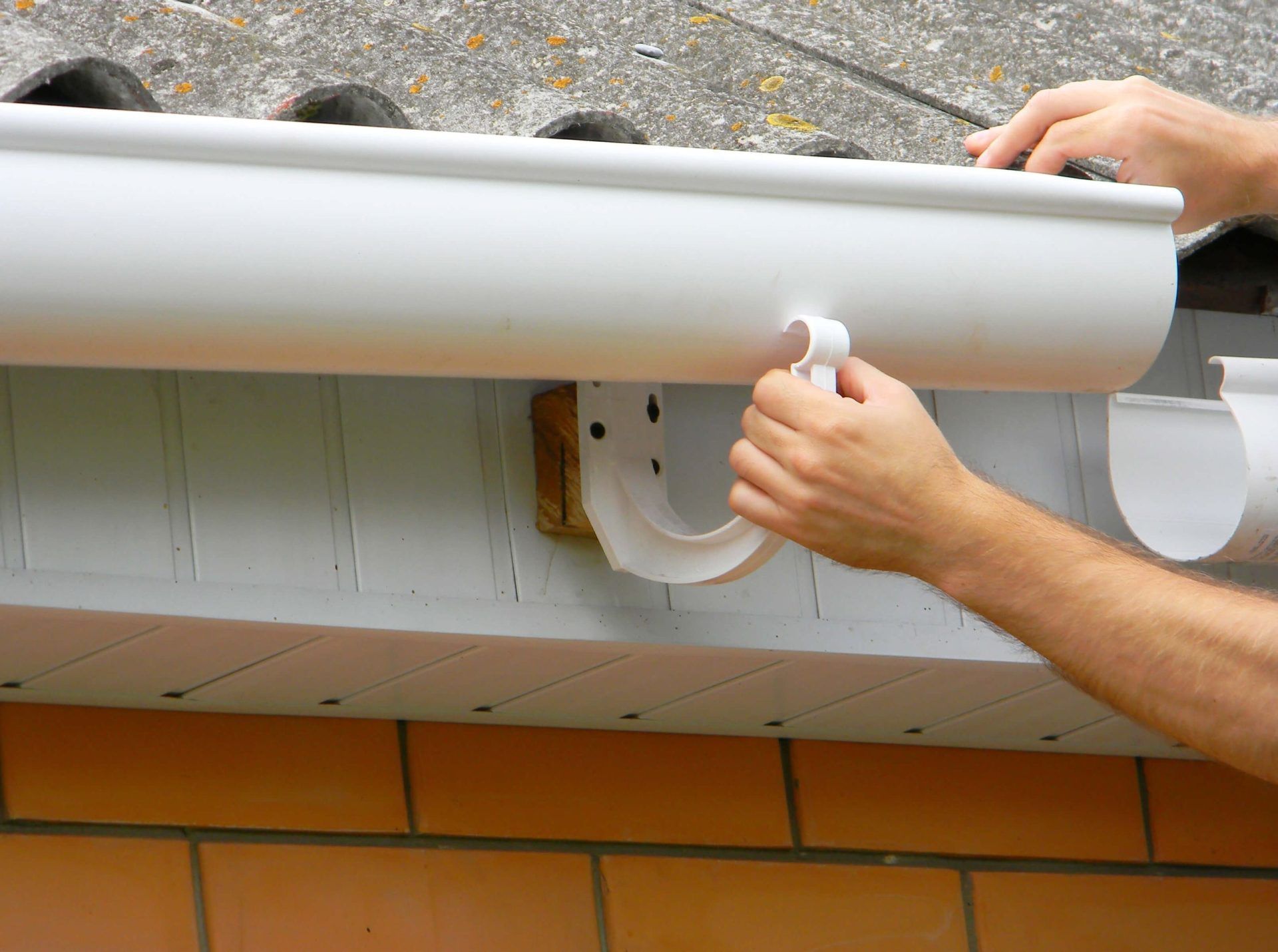
Heavy rain can put a lot of stress on a home. When gutters cannot handle the flow of water, problems show up fast. Overflowing water can soak siding, damage landscaping, weaken the foundation, and cause roof issues over time. That is why choosing the best gutters for heavy rain is not just a design decision. It is a practical way to protect your home.
Not all gutters perform the same in strong storms. Some styles carry more water, some materials last longer, and some systems are better suited for steep roofs or high-rainfall areas. If you live in a place with frequent downpours, the right gutter setup can make a big difference.
This guide explains what type of gutters are best for heavy rain, which materials hold up best, what size to choose, and how proper installation helps your system work better when storms hit.
Why Choosing the Right Gutters Matters in Heavy Rain Areas
A strong heavy rain gutter system does more than move water off the roof. It helps protect the entire structure of the home.
When gutters are too small, poorly installed, or made from weak materials, heavy water flow can lead to:
- Foundation damage from water pooling near the base of the home
- Roof deterioration caused by standing water and poor drainage
- Siding stains and rot from repeated overflow
- Landscape erosion that washes away mulch, soil, and plants
- Basement moisture issues from improper runoff control
Homeowners in wet climates need gutters for heavy rainfall that can handle volume, move water quickly, and stay durable season after season.
Key Features to Look for in Gutters for Heavy Rain
If you are comparing options, there are a few features that matter most.
Gutter Size and Capacity
Bigger gutters usually handle more water. In areas with strong storms, large capacity gutters often perform better than smaller standard systems.
Material Durability
The best gutter material for rain should resist rust, corrosion, dents, and long-term weather exposure.
Seamless Gutter Design
Seamless gutters for heavy rain are popular because they reduce the number of joints where leaks can form. Fewer seams often mean better performance and less maintenance.
Proper Slope and Installation
Even the best gutter system will fail if it is not pitched correctly. Gutters must be installed with the right slope so water flows toward the downspouts without pooling.
Downspout Size
A gutter can only drain as fast as the downspouts allow. Larger downspouts are often needed for homes in heavy rain zones.
Best Types of Gutters for Heavy Rain
If you are wondering which gutter system handles heavy rainfall best, these are the top options to consider.
K-Style Gutters
K-style gutters are one of the most common choices for residential homes. Their shape allows them to carry more water than many traditional styles.
Benefits of K-style gutters:
- Good water capacity
- Modern appearance
- Widely available in different materials
- Work well for many roof types
For many homeowners, K-style systems are among the best gutters for heavy rain because they balance capacity, affordability, and appearance.
Half-Round Gutters
Half-round gutters have a smooth, curved shape that helps water flow more freely. They are often used on older or high-end homes.
Benefits of half-round gutters:
- Smooth interior reduces debris buildup
- Attractive traditional look
- Good drainage when properly sized
They may not always carry as much water as larger K-style systems, but they can still work well in rainy areas when paired with the right size and downspouts.
Seamless Aluminum Gutters
Seamless aluminum systems are one of the most practical choices for homes that experience frequent storms. They are lightweight, rust-resistant, and customized to fit the house.
Benefits of seamless aluminum gutters:
- Fewer leaks due to fewer joints
- Low maintenance
- Cost-effective
- Rust-resistant
For homeowners researching how to choose gutters for heavy rainfall, seamless aluminum is often a leading option.
Steel Gutters
Steel gutters are known for strength. They can handle tough weather conditions and are less likely to bend under pressure.
Benefits of steel gutters:
- Strong and durable
- Good for areas with severe weather
- Handles heavy water loads well
The downside is that steel may require more maintenance to prevent rust, especially over time.
Copper Gutters
Copper gutters are durable, attractive, and long-lasting. They are often chosen for premium homes.
Benefits of copper gutters:
- Extremely durable
- Long lifespan
- Distinctive appearance
- Low risk of corrosion
Copper performs very well in wet climates, though the higher price point makes it less common for budget-focused projects.
Best Gutter Materials for High Rainfall Regions
When comparing the best gutter material for rain, here is a simple breakdown:
- Aluminum: Lightweight, affordable, rust-resistant, and popular for seamless systems
- Steel: Strong and durable, but may need more upkeep
- Copper: Long-lasting and attractive, but expensive
For most homes, aluminum offers the best mix of value and performance. For homeowners who want extra strength, steel is a solid choice. For premium durability and appearance, copper stands out.
What Gutter Size Is Best for Heavy Rain?
One of the most important questions homeowners ask is about size. In many cases, the best gutter size for heavy rain areas is larger than the standard setup.
5-Inch vs 6-Inch Gutters
5-inch gutters are common on many homes and may work fine in moderate rainfall.
6-inch gutters provide more capacity and are often better for heavy rain, steep roofs, or large roof surfaces.
If your roof collects a lot of runoff, 6-inch gutters usually offer better protection against overflow.
Downspout Capacity
Downspouts should match the gutter’s ability to carry water. In heavy rain zones, larger downspouts help move water away faster and reduce backups.
Roof Pitch Considerations
Steep roofs shed water more quickly, which can overwhelm undersized gutters. Homes with steep rooflines often benefit from upgraded gutter and downspout sizes.
Installation Tips for Gutters in Heavy Rain Areas
Choosing the right gutters is only half the job. Proper rain gutter installation is what helps the system perform well during storms.
Here are a few expert tips:
- Use the correct gutter size for the roof area
- Make sure gutters have the right pitch
- Add enough downspouts for fast drainage
- Secure gutters with strong hangers and spacing
- Extend downspouts away from the foundation
- Consider gutter guards in debris-prone areas
A well-installed system is more likely to last longer and protect the home during intense weather.
Professional Gutter Installation Services
Choosing the right gutters is only part of the solution. Proper installation is what allows a system to perform the way it should during heavy rain. Experienced installers understand water flow, roof slope, drainage load, and the best placement for downspouts.
Homeowners who want dependable performance often benefit from working with professionals who specialize in durable gutter systems and custom-fitting solutions. Southwest Seamless Rain Gutters provides helpful options for homeowners looking for strong, well-installed gutter systems designed for real weather conditions.
To learn more about professional installation and gutter solutions, homeowners can visit the Southwest Seamless Rain Gutters website for additional details.
Maintenance Tips for Gutters in Heavy Rain Regions
Even the best gutters need regular care. Maintenance helps prevent clogs, overflow, and early wear.
Clean Gutters Regularly
Leaves, dirt, and roof granules can block water flow. Clean gutters at least twice a year, or more often if you have nearby trees.
Install Gutter Guards
Gutter guards can reduce debris buildup and improve water flow, especially during storm season.
Check Downspouts
Make sure downspouts are clear and draining away from the home properly.
Inspect Seasonally
Look for:
- Loose fasteners
- Sagging sections
- Leaks at joints
- Signs of rust or corrosion
Routine inspections help catch small issues before they turn into expensive repairs.
Conclusion
The best gutters for heavy rain are the ones that combine the right size, strong material, smart design, and proper installation. In many cases, seamless aluminum or steel gutters with larger downspouts offer the best balance of performance and durability. Homes with steep roofs or larger drainage areas may benefit from 6-inch systems for added protection.
If you live in a storm-prone area, choosing the right gutters is one of the smartest ways to protect your roof, foundation, siding, and landscaping. With the right planning and regular maintenance, a high-quality gutter system can help your home stay safer and drier through every season.


