



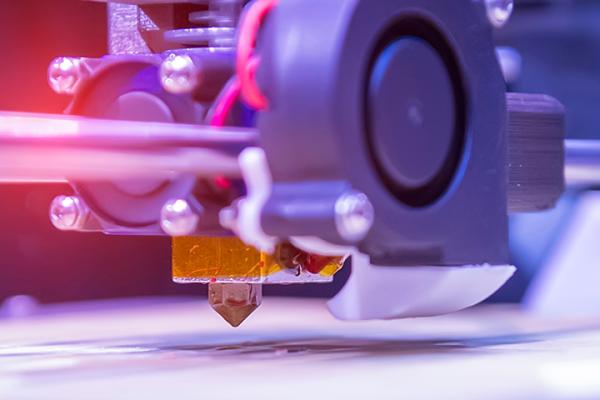
Advancements in 3D printing are redefining the manufacturing industry in Europe. Companies like Protolabs EMEA are spearheading this revolution, enabling rapid and innovative production solutions.
The integration of 3D printing into manufacturing offers numerous benefits, including increased efficiency, customisation, and sustainability, driving substantial growth and innovation across various sectors.
Efficiency and Speed
Accelerated 3D printing services have significantly enhanced production speed, allowing parts to be manufactured in days instead of weeks. This rapid turnaround is crucial for industries such as automotive and aerospace. Companies can quickly prototype and adjust designs, allowing them to bring products to market faster. This ability to iterate rapidly encourages a culture of innovation and responsiveness.
For example, manufacturers can test multiple designs simultaneously, determining the best options without the time and cost constraints of traditional methods. This flexibility is a game-changer for competitive markets.
Cost-Effectiveness and Scalability
3D printing offers a cost-effective solution for both small and large-scale production. The scalability of this technology enables companies to adjust production volumes based on demand without excessive costs. By reducing the need for expensive tooling, firms can produce small batches economically, providing opportunities for startups and small businesses to innovate without financial burdens.
This adaptability supports market dynamics, allowing companies to remain agile and responsive. The scalability ensures that businesses of all sizes can benefit from cutting-edge manufacturing techniques.
These advantages cumulatively highlight the strategic importance of 3D printing in maintaining competitiveness and growth within the European market.
Customisation and Quality
The capability for customisation is another hallmark of 3D printing technology. Industries that require tailored solutions, such as healthcare, benefit immensely from the precision and adaptability of these services.
The technology allows for intricate designs that meet specific requirements, without the limitations of traditional manufacturing methods. This level of precision enhances product quality and functionality.
Environmental Sustainability
3D printing contributes to sustainable manufacturing by reducing material waste. The technology aligns with Europe’s commitment to environmental responsibility.
Using only necessary materials minimises excess and supports eco-friendly initiatives, appealing to both companies and consumers focused on sustainability. This practice aids compliance with stringent environmental regulations. Additionally, energy-efficient production processes help reduce the carbon footprint, making 3D printing a preferred choice for sustainable manufacturing solutions.
Integration with Technology
The seamless integration of 3D printing with existing manufacturing technologies enhances workflows and product quality. Companies can blend traditional and modern techniques to optimise production.
This adaptability is not just technical but also strategic, fostering a culture of improvement and innovation. As the manufacturing landscape evolves, this integration ensures competitiveness and efficiency.
Embracing this technology empowers European industries to continue leading in global markets, driving forward with innovation and sustainable practices.
Conclusion
Accelerated 3D printing services are transforming European manufacturing by offering speed, cost-effectiveness, customisation, and sustainability. Companies like Protolabs EMEA are at the forefront of this innovation, driving growth and efficiency.
The advancements in 3D printing provide a strategic advantage, urging businesses to integrate these technologies for future success in a rapidly changing market.


