



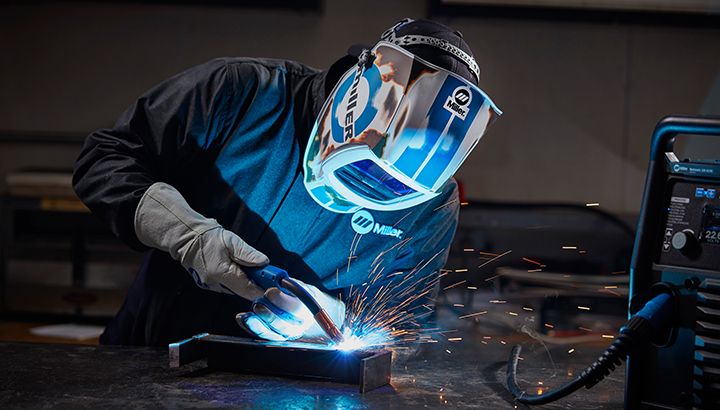
No matter if you’re a welder or just getting started, having good ventilation during welding is super important. When you make sure the air is clear, you not only boost safety but also make the whole welding process better. Let’s look at some reasons why having ventilation matters a lot in welding environments. So, let’s get into it and uncover the importance of air!
1. Getting Rid of Harmful Fumes and Glasses
During welding, different fumes and gasses are released into the air when metals and fluxes melt. These emissions can contain stuff like ozone, nitric oxide, carbon monoxide and vapors from metals. Breathing in these pollutants can lead to health problems for welders and those nearby causing issues like breathing difficulties, feeling dizzy or nauseous and even harming organs in the long run. Having welding ventilation systems is key to getting rid of these fumes from the workspace by capturing them right where they’re produced. This stops levels of pollutants from building up in the air that welders have to breathe.
2. Shielding Against Welding Flashes and Eye Irritation
When welding happens it creates light, in flashes or arcs. Being exposed to these lights can result in a problem called “welders flash” or arc eye. This situation can cause irritation in the eyes, watery eyes, sensitivity to light blurred vision and occasional temporary vision loss.
An effective ventilation system assists in reducing exposure to light by diverting welding flashes from workers eyes while still maintaining sufficient lighting for safe operations. This helps minimize eye strain and discomfort for welders during work periods.
3. Temperature Control
Welding produces heat, which can lead to working conditions if not managed properly. Proper ventilation aids in controlling temperature levels within the workspace by allowing hot air to escape while bringing in air from outside.
Maintaining a temperature allows welders to concentrate better, reducing fatigue and enhancing productivity. Furthermore a regulated temperature setting helps prevent heat related health issues like heat exhaustion and heatstroke.
4. Prevention of Flammable Gas Accumulation
Certain welding methods utilize gasses such as acetylene or propane. Inadequate ventilation in cases may lead to the buildup of these gasses within the work area increasing the risk of fire or explosions.
By ensuring airflow, ventilation systems help disperse gasses and prevent their accumulation to hazardous levels. This effectively lowers the likelihood of accidents and creates a safer working environment for welders.
5. Ensuring the quality of welds
Maintaining air quality is crucial not for the safety of welders but also for the overall strength and quality of welded connections. Inadequate air circulation during welding can lead to issues like shielding gas coverage around the welding arc, which can cause problems such as oxidation, porosity, or defects in the weld.
A designed ventilation setup ensures there is a supply of fresh air while also removing harmful fumes, smoke and particles. This helps in achieving distribution of shielding gas. Prevents any contaminants from affecting the integrity and durability of welds.
6. Enhanced Efficiency
Having an efficient ventilation system plays a key role in enhancing workflow efficiency by reducing downtime due to discomfort or health issues among workers. Proper airflow helps create an environment from excessive heat, harmful fumes and eye strain enabling welders to concentrate on their tasks without interruptions.
Furthermore, with ventilation in place there is need for frequent breaks to escape uncomfortable conditions or artificially regulate metal temperatures. This leads to an improvement in productivity within ventilated welding facilities.
7. Compliance with Safety Standards
Government bodies have set forth regulations concerning occupational safety standards in industries like welding. These regulations typically outline requirements for managing air quality through ventilation systems.
Making sure to follow these rules not only contributes to a workplace but also reduces the chances of facing fines or legal issues for not following them. When businesses focus on maintaining ventilation they show their dedication to safety, which helps protect employees and prevents problems.
In Summary
Ventilation is essential in welding environments for important reasons. Whether it’s about getting rid of fumes, avoiding eye irritation, controlling temperature, preventing gas accumulation, ensuring weld quality, improving efficiency, or meeting safety standards. It’s evident that maintaining airflow should be a primary concern when carrying out welding tasks. By investing in ventilation systems and sticking to recommended air quality practices, in welding facilities companies prioritize their employees’ health and well-being while also boosting productivity and meeting requirements.


