



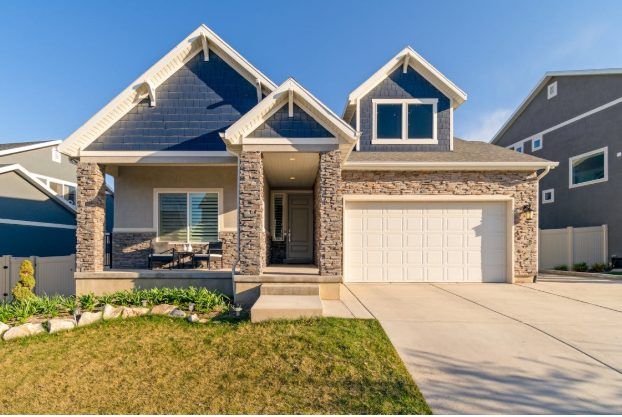
A home is more than just a roof over your head. It is often one of the most significant financial moves a person will ever make. Even if you did not buy your home with the mindset of a business owner, it still acts like a long-term investment.
Every choice you make about your property, whether it involves repairs, upgrades, or the way you use each space, has an effect on its value. These decisions accumulate over time and can influence your financial position for years. That is why it pays to be intentional about how peacocktv.com tv you approach them.
It helps to view your home not only as a place to live but also as an asset that requires careful management. You do not need to be a property expert to do this effectively. You simply need to treat your home with the same care and attention you would give to anything else that supports your financial security.
Are You Using Your Home to Make Money?
Many homes have features or spare spaces that can generate income. Perhaps you have an extra room, a backyard studio, or even a driveway that is sitting unused. Turning part of your property into a source of revenue does not have to be complicated.
Options include renting out a spare room, hosting short-term stays, or providing workspace for remote workers. Some people even convert garden sheds into small offices or studios that can be rented out. These arrangements often require only a modest initial investment yet can deliver steady returns.
When you think about future flexibility, the design and layout of your home play a major role. Working with an excellent builder called Montgomery Homes, for instance, allows you to create a home with smart space planning in mind. This kind of foresight ensures you have more options later without needing to knock down walls or begin costly renovations from scratch.
Do You Track Your Home’s Value?
Many homeowners forget to track the market value of their property. Knowing how your home compares to others in the area helps you make better decisions about refinancing, selling, or investing in upgrades. It is similar to checking your bank account. You may not need to do it daily, but ignoring it altogether is risky.
Monitoring local property trends does not need to be difficult. Basic research on recent home sales or the use of free online valuation tools can provide a reasonable idea of your property’s standing. Staying informed means you can make timely improvements or sell more wisely when the time comes.
You can also speak with local agents once a year to gain insight into how your suburb is changing. A brief conversation can reveal a great deal. Businesses always know the value of their assets, and homeowners should do the same.
Do You Plan for Maintenance, or React to It?
Not all damage comes from a major event. In most cases, slow wear and tear gradually leads to costly repairs. Ignoring small problems until they become urgent usually results in higher expenses.
Creating a simple maintenance plan makes it easier to stay on top of potential issues. For example, checking your roof before storm season or clearing out gutters every few months can prevent significant damage. You do not need to address everything at once, but a seasonal checklist can make a meaningful difference.
Spending a little time on maintenance is like putting money into a savings account. Each effort adds up and protects the long-term value of your property. Wise homeowners do not wait for things to break down before taking action.
Are You Managing Your Running Costs?
There is a good chance your home is consuming more energy than it should. Many people do not realise how much of their monthly budget goes toward inefficient heating, outdated appliances, or poor insulation. If you are not monitoring your energy consumption regularly, you may be overspending.
A good starting point is to review your utility bills from the past six months. Are the costs rising? Are you using smart meters or energy-tracking apps? Small steps such as switching to LED bulbs, installing additional insulation, or using timers on your water heater can lower bills without requiring dramatic changes.
Reducing your running costs does more than save money. It improves the efficiency of your home and increases its appeal to potential buyers. If a business faced rising costs, it would act quickly to fix them. That is exactly how homeowners should approach the challenge too.
Do You Make Long-Term Plans for It?
Short-term upgrades can be appealing, but the greatest value often comes from long-term planning. Homeowners who carefully plan renovations, monitor the local property market, and understand how their neighbourhood is evolving are usually better positioned when it is time to sell.
Ask yourself whether the changes you make today will enhance your property’s value in five or ten years. Will your layout still suit the next stage of life, or will it require costly adjustments? These are the questions that guide smarter decisions.
It is also wise to keep an eye on zoning regulations and upcoming developments in your area. A new road or major construction nearby could significantly affect your property’s value and liveability. Viewing your home as a long-term project helps you prepare for the future and make choices that will pay off in the years ahead.
Final Words
Your home is more than just four walls and a garden. It is part of your financial story and reflects the decisions you make every day. Looking at it as an asset does not mean neglecting its personal meaning. It simply means managing it with practicality. With a few intentional habits, you can ensure your home supports your future as well as your present.


