



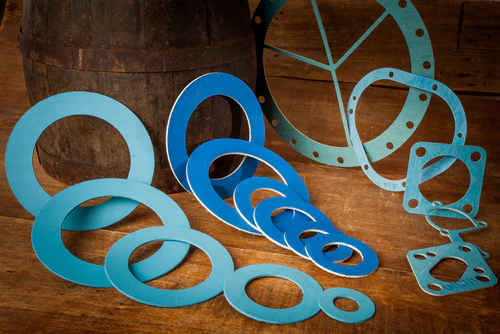
Gaskets are also important in ensuring that mechanical systems remain intact through leakage prevention, pressure control, and good sealing of components. Choosing the appropriate gasket material is a little know-how used in the routine repair but mixing the wrong material with the other may result in failure of the equipment, long down time, and expensive repairs. The compatibility of materials is a fundamental component that any individual in the field of maintenance, repair and operations (MRO) must know since the improper selection will ruin the safety and the performance.
The compatibility of gasket material is not a question of matching temperature rating or chemical resistance. It entails the knowledge of the interaction between the various materials with the fluids, gases and surfaces that they will be interacting with and the conditions that they will experience in the environment. In industrial piping systems as well as heat exchangers and pumps, these aspects should not be overlooked since they may cause leakage, contamination and premature wear. Considerable attention to the choice of gaskets guarantees the sanctity and durability of equipment.
Significance of Compatibility of Chemicals
One of the most important factors in the choice of the gasket is chemical compatibility. Reactive material can also decay at a rapid rate causing leakages and even accidents. As an example, a gasket that was used in a system which takes in solvents, or even acids can get swollen, cracked, or just fail when used in a system designed to take water. Maintenance teams should analyze chemical resistance charts and know more about the gasket and the fluid which is going to be in contact with it to avoid unpleasant surprises.
Chemical compatibility also works to avoid contamination of the process medium. In other sectors like food processing or pharmaceuticals where even small chemical reactions between gasket material and liquids can lead to poor quality of products. When subjected to incompatible fluids, the fiberglass insulation or other sealing elements will degenerate with time releasing particles or posing dangerous conditions. Considering chemical interactions when making repairs takes care of equipment and operational integrity.
Temperature and Pressure Takes
The gasket materials should also be able to withstand the pressure and temperature of the system. Several materials may be hardened, softened, or lose their ability to seal in a high heat environment, or may be crushed or distorted in the face of high pressure softer gaskets. An example of a material that is used in a high-temperature service due to its heat resistance and durability is ceramic fiber insulation, however not all gaskets can withstand such service without damage. To achieve efficient seals, it is important to choose a material that is rated to work in the operating environment.
Change in temperature can impose other stress on gasket material and lead to recurring expansion and contraction. When a gasket cannot withstand such variations, then it is possible that after some time it develops leaks. Pressure factors are also to be taken into account because the inappropriate material would not be able to compress or rebound properly under pressure of the system and therefore would lead to unequal sealing as well as untimely failures. The knowledge of these factors is important in achieving long term reliability during the repair.
Mechanical Compatibility and Surface Interaction
The mechanical characteristics of gasket materials should match its surfaces of sealing. Excessively hard gaskets will not follow irregular shapes, whereas excessively soft ones will creep when compressed. Correct mechanical compatibility would mean that the gasket has a uniform seal without overdeformation or damage. Also, certain materials can react negatively with metals or other construction components, which corrode or wear out undermining the repair.
The maintenance of mechanical compatibility is also necessary in terms of surface preparation and proper installation practices. The most superior gasket material would also fail when it is unable to fit to the mating surfaces appropriately or the hardware applies unequal pressure. Seeing that the gasket is placed in the right position and combined with the parts of the system positively will prevent any leakage and ensure the performance is stable at all times, as the number of cases when it has to be repaired will be reduced.
Long-term Implication of Maintenance
The disregard of compatibility of gasket materials may become a continuous maintenance burden. High downtime, labor expenses and consumption of spare parts are as a result of frequent failures occasioned by improper choice of material. Facilities can minimize the number of maintenance interventions and increase their efficiency by spending time on the choice of the right material when making repairs.
Long-term planning also entails checking the performance of the gasket in terms of the time. Setting inspection times and knowing the constraints of the materials will enable the maintenance crews to see when problems will arise before they happen. Compatible gaskets are used in conditions that underpin the system and assure predictable performance which ultimately conserve resources and enhance overall safety.
The maintenance teams can do reliable repairs by carefully assessing the properties of gasket materials, their interaction with fluids, surface conditions, and environment stresses. Such materials like fiberglass insulation and ceramic fiber insulation serve as the evidence that it is necessary to choose the solutions that are suitable in the given circumstances. The emphasis on compatibility helps achieve long-term equipment performance, safety and efficiency.


