



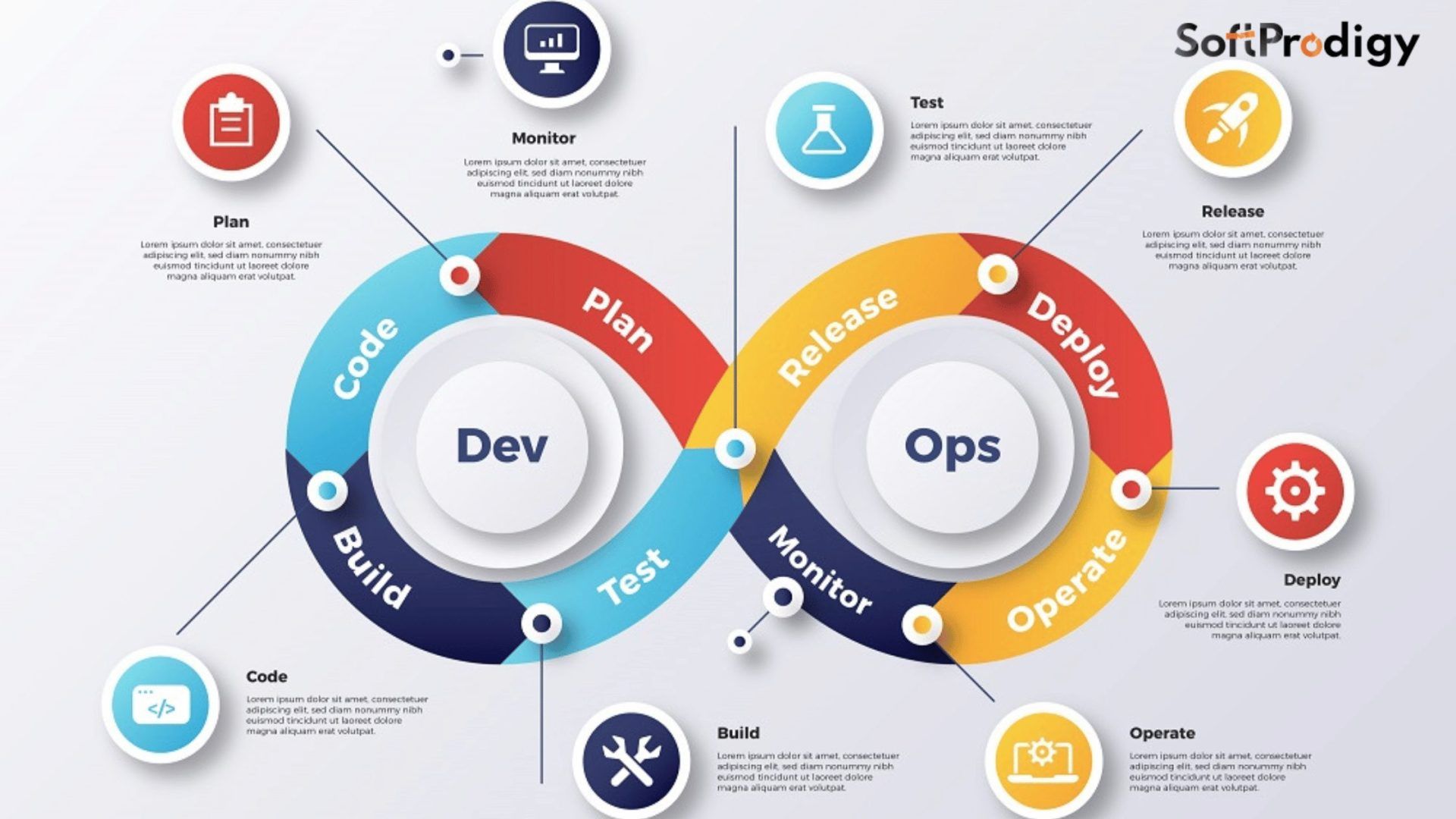
Secure coding is a fundamental part of every successful software development project. Through early safety integration, development teams mitigate risks and increase reliability. Integrating security at every phase of the SDLC helps prevent costly vulnerabilities and breaches. Given the persistence of digital threats, integrating security into development processes keeps software trustworthy and resilient.
Secure coding principles in software development
Secure coding training for developers protects applications from typical risks like unauthorized access and data theft. Applications with strong security safeguards protect critical data, maintaining customer confidence and business integrity. The risk of neglecting secure development is the creation of exploitable vulnerabilities that could lead to costly litigation and financial repercussions. You create a solid foundation for future updates and maintenance by accounting for security requirements early on.
Common Security Threats to Software
Injection attacks, cross-site scripting, and insecure data storage are just a few of the threats that can easily break software without the proper defenses. Such vulnerabilities can allow attackers to gain unauthorized access, alter data, or cause the service to become unavailable. Cyber gangs are constantly on the lookout for weaknesses in code to exploit. Safeguarding against such threats requires applying security principles at every stage of development.
Embedding Security in Every Phase of SDLC
An SDLC consists of the following phases: planning, design, development, testing, deployment, and maintenance. At every stage, the introduction of security controls can prevent weaknesses from progressing. During the planning phase, teams discover risks and define security goals. Design time calls for architectural choices that facilitate safety, such as robust authentication and encryption schemes.
Benefits of Early Security Adoption
Implementing security practices from the outset saves time and money on expensive fixes later. It costs 6 to 8 times more to fix an issue after deployment than to fix it earlier during development. Early adoption also helps improve software quality because developers must consider security requirements alongside functionality.
Teams that adhere to secure process streams deliver more reliable products. Taking a proactive approach to securing potential threats makes development cycles more predictable and efficient. When you protect data, customers become confident that their data will remain protected as long as the software is alive.
Challenges Without Secure Coding
Without secure development, projects are exposed to many risks. Some weaknesses may enable attackers to exploit them, causing service downtime or data loss. This kind of thing ruins organizational credibility and may also attract penalties from regulators. Patching vulnerabilities identified post-release also consumes significantly more time and effort from teams.
Frequent data breaches can cause a loss of user trust, resulting in lower adoption and revenue loss. Managing incidents naturally increases the burden on development teams to respond and restore the affected application. These types of issues clearly demonstrate that security must always be considered essential.
Best Practices for Secure Software Development
Teaching secure coding practices is fundamental. Teams should receive regular training on security principles and potential threats. Maintaining robust code based on proven strategies, such as guidance on inputting and proper error handling.
They detect vulnerabilities as you write code, reducing the impact of human error. They catch bugs before they affect users through regular code reviews and peer assessments. Manual and automated security testing provide additional assurance that your applications will withstand real-world attacks.
Here, one critical benefit of documenting security requirements decisions is that it ensures security measures are applied consistently throughout the life of the project. Continuous feedback and updates reinforce ongoing protection. Teams with high standards promote a culture where everyone is responsible for safety.
Conclusion
Every SDLC should include secure coding as one of its key components. Implementing safety measures at every phase allows developers to safeguard applications against existing and emerging threats. Focusing on security at the very beginning of software development continually reduces risks and costs and enhances user confidence.
Software developed with the right security paradigms in mind is not just functional but also impervious to malicious activity. By following secure practices, software will be a reliable contributor to long-term organizational success.


