



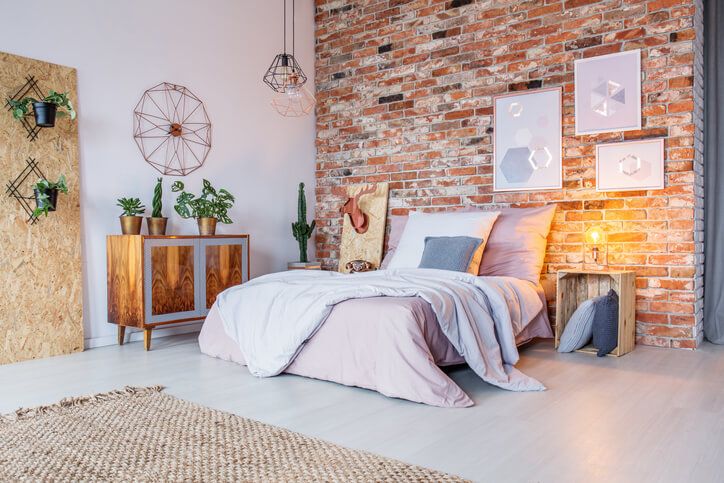
Understanding the Aesthetic Appeal of Fake Brick Wall Panels
The Charm of Rustic Design in Modern Spaces
In recent years, there has been a notable shift in interior design trends, with a strong inclination towards rustic aesthetics. Fake brick wall panels have quickly emerged as a preferred choice for homeowners and designers alike seeking to infuse warmth and character into their living spaces. The rustic design evokes comfort, nostalgia, and a connection to nature, offering an appealing contrast to the sleek, minimalistic styles often associated with contemporary architecture. These panels provide an effortless way to introduce the charm of exposed brick without the cost or labor-intensive efforts associated with traditional masonry.
Even in urban apartments or minimalist homes, fake brick wall panels can create an inviting backdrop that draws the eyes and heart of visitors. As design aficionados look to integrate personality into their environments, the rustic appeal of a faux brick installation harkens back to simpler times, resonating deeply with individuals who appreciate authenticity and craftsmanship. By selecting panels that mimic the irregular textures and colors of real bricks, homeowners can achieve a look that feels authentic while enjoying the practical benefits of modern materials.
Why Fake Brick is the New Black in Interior Design
Fake brick has become a trendy staple in modern interiors, transcending traditional applications. Once primarily confined to basements and industrial settings, these versatile panels now grace everything from chic cafés to upscale residences. The advantages of using fake brick are manifold; they offer an accessible avenue for achieving a stylish, urban feel without the drawbacks of actual brick, such as weight and structural complications.
Moreover, the versatility of faux brick panels means they are available in a variety of patterns, finishes, and hues, allowing homeowners to customize their space precisely to their taste. While the traditional brick wall may seem restrictive, manufactured panels can reimagine a classic aesthetic—whether it be a weathered red-brick look or a sleek whitewashed finish, the possibilities are endless. In a world increasingly influenced by sustainability, the synthetic reproduction of materials allows for greater eco-friendliness, requiring fewer resources while still delivering on the aesthetic promise of natural design.
Creating a Statement: The Impact of Textured Walls
Textured walls play a pivotal role in interior design, serving as focal points that can define the overall ambiance of a room. A fake brick wall can transform an ordinary space into a dynamic environment, where light and shadows interplay captivatingly with the surface. The authenticity in textures of brick panels offers depth and dimension, inviting tactile engagement from occupants and visitors.
Furthermore, the tactile quality of textured walls fosters a sense of comfort and intimacy that is crucial in residential spaces. When paired with appropriate lighting, such as pendant fixtures or wall sconces that accentuate the uneven surfaces, a faux brick backdrop can elevate the aesthetic profile of a room from mundane to exceptional. Whether in a living room, kitchen, or even an office, textured walls can dramatically shift perceptions, making spaces feel more substantial, cozy, and thoughtfully designed.
Choosing the Right Fake Brick Wall Panels for Your Home
Exploring Different Materials and Textures
When embarking on the journey to enhance your interior with fake brick panels, understanding the various materials available is paramount. Modern faux brick panels are typically made from diverse materials, including polyurethane, polystyrene, and even real thin brick slices, allowing for varying degrees of authenticity, weight, and ease of installation.
Polyurethane faux bricks are lightweight yet durable, making them ideal for DIY projects. They often come with seamless designs that mimic real bricks while being easy to cut and arrange. Conversely, polystyrene panels tend to be less expensive and offer standard designs, which can be ideal for budget-conscious projects. If you’re looking for an ultra-authentic feel, select real thin brick slices that are adhered to a backing panel—this option provides the natural look of real brick with less weight and installation complexity.
In terms of texture, panels are available in various finishes, such as rough-hewn or smooth, which contribute differently to a space’s aesthetic. Each texture can change the perception of a room; for example, a rough and rustic look contributes to a farmhouse vibe, while smooth finishes can offer contemporary elegance. It’s crucial to consider how the material will harmoniously integrate with your existing elements such as flooring, furniture, and window treatments, ensuring a cohesive design that speaks to your personal style.
Color Schemes That Transform Your Interior Landscape
The color of your fake brick wall panels can significantly influence the mood and overall theme of your interior. While traditional reds, browns, and grays are popular, contemporary design embraces a plethora of colors—ranging from pale whites and pastel blues to striking blacks and vibrant oranges. These color selections can dramatically alter a room’s character.
Brighter shades, such as light pastels, can make a space feel more expansive and airy, while darker tones offer a sense of elegance and coziness, creating intimate environments perfect for gathering places like living areas. When choosing a color scheme, consider the existing palette of your home; the key is to create a harmonious blend that respects both the new installation and the surrounding decor. To elevate the look further, contrast your faux brick wall with bright or neutral furnishings, accentuating the texture and depth of the panels without overwhelming the space.
It is also advisable to experiment with accent walls—where one wall is uniquely designed with fake brick while others remain more subdued. This technique provides an elaborate visual break and allows for creativity, presenting a curated yet dynamic look. Always test samples before making a decision; application in varied lighting conditions within the space can yield different results, influencing your final selection.
How to Match Panels with Your Existing Decor
Achieving a harmonious look when integrating fake brick wall panels into your home involves carefully considering the style, color, and texture of your existing decor. Whether your interior theme is minimalist, industrial, or rustic chic, the panels can serve as a unifying element, provided they are matched thoughtfully with other design features.
For homes adorned with modern or minimalist designs, choose panels with clean lines and muted colors like whites or greys that enhance rather than dominate the space. If your decor is classically styled, opting for richer, textured brick within a warm color palette may complement your traditional furnishings and materials beautifully. An eclectic scheme thrives on contrasts; combining faux brick panels with a variety of textures—such as plush sofas, shiny metal accents, and wood grains—can create a vibrant, lived-in feel.
Always consider the scale of your furnishings compared to the panels; oversized furniture can overwhelm a small brick accent wall, while small delicate items can seem insignificant against a vast brick installation. Use complementary furnishings, artwork, or decorative accents to blend your design seamlessly, making the fake brick wall a stunning focal point that complements the surrounding area instead of competing with it.
Installation Insights: Bringing Your Vision to Life
DIY vs. Professional Installation: Weighing Your Options
The decision to undertake the installation of fake brick wall panels yourself or to hire a professional ultimately hinges on your confidence level, budget, and time constraints. DIY enthusiasts may find installing faux brick panels to be a rewarding project, particularly given the lighter weight of most panels, which can simplify handling and positioning. Manufacturers often provide installation kits that include adhesives and tools for a seamless installation experience, making it even more accessible for homeowners.
However, it’s important to consider the complexities involved. Achieving perfect alignment, ensuring surface preparation, and managing electrical or plumbing elements behind the wall can all introduce challenges. Mistakes may lead to costly adjustments or rework that could negate any savings realized through a DIY approach.
In contrast, hiring professionals can ensure a flawless installation—expert contractors possess the knowledge and experience to navigate tricky aspects confidently, saving you time and potential headaches. While the upfront investment may be higher, the efficiency and expertise brought to the table often translate to a polished finish and long-term satisfaction. Assess your own situation realistically; if you’re uncertain about your abilities or the project scope feels overwhelming, enlisting a professional may deliver peace of mind and precision that ultimately enhances your vision.
Essential Tools and Materials for a Flawless Finish
Regardless of the route chosen for installation, having the right tools and materials on hand can significantly enhance your efficiency and results. If opting for DIY, you’ll need several essential items: a quality measuring tape, straightedge, level, saw (jigsaw or circular), utility knife, adhesive (specific to the type of panels), and finishing supplies such as caulk and paint or sealant for edges to achieve a professional-looking edge.
Also, don’t overlook surface preparation tools; ensuring that your wall is clean and smooth is critical for optimal adhesion. Consider protecting your workspace with drop cloths and wearing safety gear, including gloves, goggles, and a dust mask, especially when cutting materials. If joining panels requires joining tips or embellishments for aesthetic purposes, have those handy, too, as they will add to the visual appeal.
For those choosing professional installation, it’s prudent to communicate your expectations clearly and verify that the service includes appropriate tools for the intricacies of the job. By understanding the essentials involved, you can set the stage for a successful faux brick wall project that elevates your space to new heights.
Step-by-Step Guide to Getting it Right the First Time
The installation of fake brick wall panels can be straightforward with the right preparation and following a structured approach. Start by measuring the area where the panels will be installed and ensure your workspace is free of debris. Next, gather all necessary materials and tools. Once the panels arrive, examine them for any manufacturing defects or damages to ensure quality.
Set up a level base by applying a level line marker across the wall—a crucial step for aesthetic balance. Begin at one edge, applying adhesive directly to the back of the panel before positioning it against the wall and pressing firmly. As you progress, ensure that the spaces between panels are even and follow the manufacturer’s guidelines for staggered patterns, mirroring the natural placement of bricks.
Cut panels as necessary to fit around outlets or corners, using a utility knife or saw as appropriate. Following installation, caulk the edges for a seamless finish and consider painting or sealing any exposed edges for durability. Finally, allow ample time for the adhesive to cure according to the manufacturer’s recommendations before decorating or placing any heavy objects against the new wall. With this methodical approach, your faux brick wall can become a striking feature that transforms your home.
Maintenance and Longevity: Caring for Your Fake Brick Walls
Cleaning Techniques to Preserve Your Investment
Maintaining the beauty of your fake brick wall panels requires a commitment to regular cleaning and upkeep, especially to preserve their visual integrity over time. Unlike real brick, which may foster dirt and grime in its porous surfaces, faux brick’s non-porous materials can often be cleaned easily. Start by dusting loose dirt and debris away using a soft cloth or vacuum with a brush attachment to prevent scratching the surface.
For deeper cleaning, use a mild detergent mixed with warm water. A soft sponge works well to gently scrub areas without damaging the finish; remember to rinse with clean water and dry immediately to avoid watermarks or streaks. Be cautious with chemical cleaners or acidic solutions, as these may alter the color or finish of your panels. If your panels have been subjected to staining, consider gentle cleaning products designed specifically for your material.
Regular dusting and immediate attention to spills will ensure that your investment remains pristine. Additionally, when incorporating any artwork or hangings on your faux panels, opt for lightweight materials to avoid additional wear on the wall, as heavy items can lead to sagging or damage over time.
Long-Term Benefits of Choosing Quality Materials
Choosing high-quality fake brick wall panels not only enhances the aesthetic appeal of your home but also ensures long-term durability and satisfaction. Premium materials are often backed by comprehensive warranties, providing protection and peace of mind regarding your investment. Unlike cheaper alternatives, quality panels are designed to withstand changes in environmental conditions, minimizing the risk of warping, fading, or degradation that could otherwise diminish the impact of your design over time.
Quality materials also tend to have higher aesthetic value, capturing the intricacies of real brick more authentically. This authenticity translates into a timeless look that installs well within virtually any decor style, ensuring your design remains relevant as trends evolve. Additionally, quality faux brick walls are often easier to maintain, requiring less frequent cleaning or repair due to their resistance to stains and wear.
Furthermore, opting for sustainably sourced materials can elevate the longevity of your investment while promoting eco-friendly practices. By choosing high-quality, responsibly manufactured panels, you can combine style with ethics, addressing modern consumers’ growing concerns surrounding environmental impact. Their durability guarantees that your stunning design remains intact for years, reinforcing the value of thoughtful investment in your home.
Upcycling Ideas: Refreshing Your Fake Brick Aesthetic
As design trends shift and personal tastes evolve, the concept of upcycling offers a creative solution for rejuvenating your faux brick features without the need for complete replacement. Implementing upcycling projects enhances your home while maintaining cost efficiency and sustainability. Start by reevaluating the color scheme of your faux brick. A fresh coat of paint or a wash of color can entirely transform the visual impact of your panels, shifting the mood from rustic charm to contemporary elegance.
Another approach is introducing wall art or decals that complement or contrast with your brick panels—hanging framed artwork, incorporating mirrors, or even placing floating shelves can shift the focus and refresh the look of the wall without major alterations. Consider creating an accent wall within a room by using stencils or wall stickers to contrast against the brick surface, providing a playful element that adds personality.
For those seeking higher levels of engagement, arranging indoor plants or implementing textured wall hangings alongside the faux brick can create layers of interest within your space. Accessories such as industrial-style lights and unique furnishings can anchor your brick feature, allowing it to continue being a focal point in a whole new light. Through imaginative tweaking and refreshing, you can continually enjoy the benefits and charm of your faux brick wall while adapting it to your ever-changing style.
FAQ
Question: Can fake brick wall panels be used outdoors?
- While many fake brick wall panels are designed for indoor use, certain brands may offer exterior-grade products. Always check the manufacturer’s specifications to ensure durability against outdoor elements.
Question: How do I ensure my fake brick wall panels are environmentally friendly?
- Look for panels made from recycled materials or those that are manufactured using low-VOC (volatile organic compounds) processes. Certifications like GreenGuard or similar can also indicate a more eco-friendly product.
Question: What is the cost range for installing fake brick wall panels?
- Costs can vary widely depending on panel material, brand, and installation type (DIY vs. professional). Generally, materials can range from $0.50 to $5.00 per square foot, with additional labor costs if hiring professionals.
Question: Can I paint over my fake brick wall panels?
- Yes, painting faux brick wall panels is possible. Choose high-quality paint suitable for the panel material, and prepare the surface according to guidelines to ensure proper adhesion for the best results.
Question: How do I repair damaged panels?
- Damaged fake brick panels can often be replaced individually. Remove the affected panel carefully and follow the installation guidelines for the new one. In some cases, minor damages might be fixed with caulk or paint.
Question: Are there any specific cleaning products recommended for fake brick walls?
- Use mild detergents mixed with warm water for cleaning. Avoid harsh chemicals that may damage the material or finish. Always refer to the manufacturer’s care instructions for best results.
Question: How can I incorporate lighting with fake brick walls?
- Accent lighting, such as wall sconces or pendant lights, can enhance the textured surface of faux brick. Directional lighting can create dramatic shadows, adding depth and visual interest to your space.
Question: What color options are typically available for fake brick wall panels?
- Fake brick wall panels come in a wide range of colors and finishes, including traditional reds and browns, whitewashed options, and even contemporary bold colors, allowing for extensive personalization to suit various design themes.


