



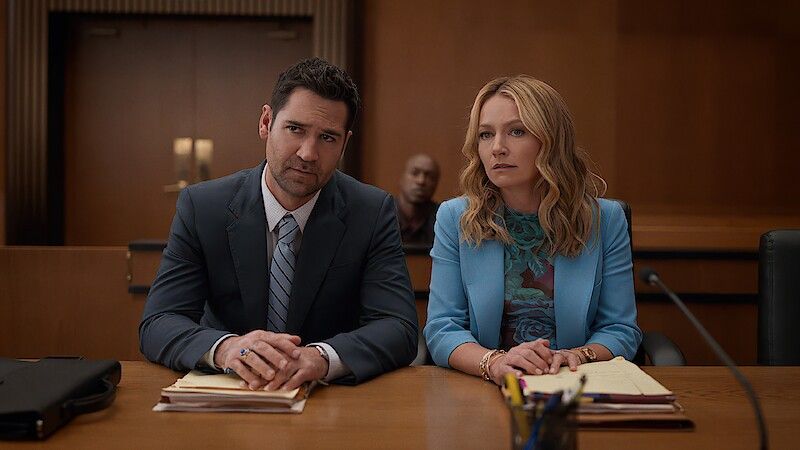
The legal world is a maze of complex rules, high stakes, and memorable personalities. Whether you’re stepping into a courtroom, negotiating a settlement, or even just seeking legal advice, you’ll encounter a fascinating cast of characters, each playing a unique role in the pursuit of justice. From attorneys to court reporters, every person you meet brings a unique skill set to the table. If you’ve ever wondered who’s who in the legal process, here’s a breakdown of the essential players and what they do.
Car Accident Lawyers
When the aftermath of a crash leaves you overwhelmed with medical bills and insurance claims, a car accident lawyer is often the first person you’ll turn to. Their role goes far beyond filing paperwork. These legal professionals help defend the rights of people hurt in car accidents, ensuring their clients receive fair and necessary compensation for their suffering.
A car accident lawyer can take your case from crash to courtroom, managing every step of the process with expertise and determination. They gather evidence, interview witnesses, and work tirelessly to prove liability, all while navigating the complicated maze of insurance policies and legal deadlines. For anyone navigating the chaotic aftermath of a collision, having a skilled car accident lawyer on your side can mean the difference between getting shortchanged and receiving the justice you deserve.
Court Reporters are the Silent Record Keepers
Court reporters may not be the loudest voices in the room, but their work speaks volumes. These professionals are most responsible for creating an accurate, verbatim record of everything that happens during legal proceedings, ensuring that no word is lost to time or interpretation. Their precision and attention to detail make them indispensable to the justice system.
Local expertise can make all the difference in their work. For example, in California, San Diego, San Francisco, and Sacramento court reporters bring not only transcription skills but also an understanding of local dialects, slang, and even courtroom dynamics that help them perform their jobs with exceptional accuracy. Their transcripts then serve as the official record of what transpired, providing a foundation for appeals, legal research, and future decisions. In a profession where every word matters, court reporters are the unsung heroes who ensure justice is documented.
Defense Attorneys
On the other side of the courtroom, you’ll find defense attorneys—legal strategists tasked with protecting their clients against criminal charges or civil claims. These individuals bring a mix of analytical thinking and persuasive argumentation to the table, ensuring that their clients’ rights are upheld and their stories heard.
A defense attorney’s job often involves investigating the evidence, finding inconsistencies in the opposition’s case, and building a narrative that casts doubt on the allegations. Whether they’re representing an individual accused of a crime or a company facing a lawsuit, defense attorneys are master tacticians who know how to use the law to their advantage. They remind us that everyone, no matter their circumstances, deserves a fair shot at justice.
Paralegals are the Backbone
If lawyers are the faces of the legal world, paralegals are the backbone. These skilled professionals handle much of the behind-the-scenes work that keeps legal cases moving forward. From conducting research and drafting documents to organizing evidence and managing deadlines, paralegals play a critical role in ensuring that attorneys have everything they need to succeed.
Paralegals may not argue cases in court, but their contributions are felt in every aspect of the legal process. Their ability to juggle multiple tasks and pay close attention to detail ensures that no stone is left unturned.
The Neutral Referee: Judges
Judges are tasked with maintaining order in the courtroom, ensuring that proceedings adhere to the rules, and delivering rulings that balance fairness with legal precedent. A good judge is impartial, knowledgeable, and unflappable, qualities that allow them to navigate even the most contentious cases with wisdom and clarity. While they wield significant power, judges also bear an immense responsibility to uphold justice, making their role one of the most challenging—and respected—in the legal world.
Bailiffs as Enforcers
Rounding out the cast of courtroom characters are bailiffs, the individuals responsible for maintaining security and order during legal proceedings. Their duties include everything from escorting witnesses to ensuring that courtroom rules are followed. In high-profile cases, bailiffs may also be tasked with managing media presence and ensuring the safety of everyone involved.
Bailiffs may not have the glamour of attorneys or the authority of judges, but their role is vital for the smooth operation of the courtroom. By enforcing rules and handling logistics, they create an environment where legal professionals can focus on their work without distractions.


