



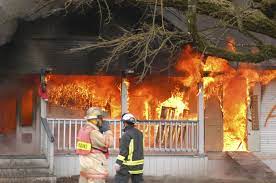
Understanding Fire Damage: More Than Just Ashes
The Chemistry of Fire: What Happens to Materials?
Fire is a chemical reaction that results from the interplay of heat, fuel, and oxygen. This triad, often referred to as the fire triangle, is crucial to understand when discussing fire damage restoration. When a material combusts, it undergoes a series of transformations characterized by the release of energy in the form of heat and light, along with the production of various gases and particulates. The damage is not simply seen in charred remnants; it also manifests at the molecular level, where the integrity of materials such as wood, plastics, and metals is compromised. For example, wood exposed to high temperatures can weaken and lose structural integrity even if it appears unburned on the surface. This phenomenon is vital during restoration efforts, as professionals must assess not just what is visible but also what is potentially compromised beneath the surface.
Types of Fire Damage: Smoke, Heat, and Water Effects
The aftermath of a fire leads to different types of damage that require specialized restoration processes. The most apparent is the damage caused by flames, but smoke can cause just as much, if not more, damage due to its ability to pervade nooks and crannies. Smoke can chemically bond with various surfaces, leaving not just stains but also odors that can linger for months if not properly treated. Heat damage may warp materials and degrade non-combustible items, leading to additional costs in repair and replacement. Water damage is yet another secondary concern, especially in cases where firefighting efforts involved significant amounts of water. Water exposure can cause mold, electrical damage, and further structural issues if not addressed swiftly. Thus, a comprehensive understanding of these different damage types is crucial for effective restoration.
Identifying Hidden Damages: The Silent Dangers
Often, the most significant damage post-fire is not immediately visible. Hidden damages can result from smoke residues, structural weaknesses, or mold growth that emerges from prolonged moisture exposure. Professional restoration teams utilize advanced techniques like thermal imaging to uncover hotspots that signify underlying damage, and they may also use special cleaning agents to neutralize smoke odors and residues. Hidden fire, smoke, or water damage can prompt health risks, particularly respiratory issues arising from soot particles or mold spores. It’s essential for property owners to engage with restoration companies that conduct thorough inspections and provide comprehensive reports on hidden damages. This diligence not only ensures safety but also prevents future complications.
The Restoration Process: A Step-by-Step Guide
Emergency Response: What to Do in the First 24 Hours
Immediate action is vital in the aftermath of a fire. The first 24 hours are critical for minimizing damage and facilitating an effective restoration process. The first step is to ensure everyone is safe and evacuate the premises if not already done. Calling emergency services is essential, not just for firefighting but also for documenting the scene for insurance claims. Afterward, it’s important to contact a professional fire damage restoration in Grand Rapids service. They can take proactive measures to secure the home, such as boarding up broken windows and preventing unauthorized access. This swift response helps to mitigate additional damage caused by weather elements, looters, or prolonged exposure to harmful residues. Notably, documenting the fire’s impact through photographs can assist with insurance claims processing, making this initial response invaluable in the long run.
Assessment and Cleanup: The Backbone of Restoration
Once the emergency response is in place, the restoration crew conducts a full assessment to determine the extent of the damage. This phase involves a careful examination of both visible and hidden damages, utilizing specialized tools to evaluate the impact. Items that can be cleaned and restored should be categorized separately from those that require disposal. The cleanup process is labor-intensive; salvaging items involves specialized techniques, including dry cleaning and ultrasonic cleaning for electronics and fragile items. It’s crucial to address soot, residues, and odors thoroughly, as lingering smoke can exacerbate health issues. This phase can also include water extraction and dehumidification, ensuring no trace of moisture remains that could contribute to mold growth. Overall, assessment and cleanup lay the foundation for successful restoration and recovery.
Reconstruction: How Professionals Bring Your Home Back
The final phase, reconstruction, transforms the intensity of fire damage into a renewed living space. Professionals will assess structural integrity and develop a plan for rebuilding where necessary. This could involve everything from replacing drywall and flooring to repairing roofs and windows. Homeowners are often involved in this stage, as they may want to consider upgrades to make their property more fire-resistant. Modern regulations allow for newer building materials and techniques that promote safety. This phase often includes liaising with local building codes to ensure compliance while incorporating desired style choices and functionalities. Ultimately, effective reconstruction not only restores the physical structure but also revitalizes the emotional space of home, supporting the healing journey of those affected.
Choosing the Right Restoration Company in Grand Rapids
What to Look For: Credentials and Experience That Matter
When selecting a restoration company, the importance of credentials and experience cannot be overstated. Professional certifications from recognized bodies such as the Institute of Inspection, Cleaning and Restoration Certification (IICRC) guarantee that a company adheres to industry standards. Experience in handling fire damage restoration specifically adds another layer of security; a well-established company will likely possess a catalog of case histories showcasing their capabilities. Beyond credentials, customer reviews and testimonials can provide insight into the company’s reliability and service quality. It’s often wise to ask for references or examples of past work, as this can help ensure that the company has a solid track record in delivering successful outcomes for their clients.
Questions to Ask: Setting Your Expectations High
When meeting with potential restoration companies, asking the right questions sets a baseline for what you can expect. Start by inquiring about their experience with fire damage, including the types of fires managed and the scale of restoration projects handled. It’s essential to understand their process, timelines, and how communication will occur throughout the project. Don’t hesitate to ask about their insurance policies, warranty offerings, and the procedures for dealing with claims. Ensuring that there is a clear plan of action can alleviate concerns and foster trust. Furthermore, understanding their approach toward customer satisfaction and the steps they take to uphold it can significantly impact your overall experience.
Local Heroes: The Importance of Community Expertise
Choosing a local restoration company means selecting a team that understands the specific risks and regulations of the Grand Rapids area. Local service providers are more likely to have established relationships with area suppliers, insurers, and even city officials, facilitating smoother operations during the restoration process. Furthermore, they are often more responsive to emergencies than distant companies; local teams can mobilize resources quickly and effectively during critical times. Many local businesses value community reputation, which drives them to prioritize customer service. By engaging local experts, you enhance your chances of receiving personalized attention, which can be invaluable in a post-disaster scenario.
Prevention Strategies: Protecting Your Home in the Future
Fire Safety 101: Essential Tips Every Homeowner Should Know
Fire prevention begins with education and awareness. Each homeowner should develop a comprehensive fire safety plan, which includes regular checks of smoke detectors and fire extinguishers, ensuring they’re functional and accessible. It’s imperative to establish exit routes and conduct regular fire drills, especially if the household includes children or elderly members. Homeowners should also avoid common fire hazards, like placing flammable materials near heat sources or neglecting appliance maintenance. Additionally, educating all household members about fire safety can foster an environment of preparedness. Simple practices, such as teaching children not to play with matches or lighters, can significantly reduce fire risks.
Upgrading Your Home: Fire-Resistant Materials and Designs
Investment in fire-resistant materials significantly decreases the likelihood of fire damage. For instance, fiberglass siding, brick, and stucco are less flammable than conventional wood siding. Similarly, when choosing roofing materials, opt for those rated class A for fire resistance, such as metal, tile, or slate. In addition, incorporating fire-resistant windows can be particularly beneficial; those that are double-paned or tempered glass can withstand significant heat. Moreover, creating defensible spaces around your home—by clearing brush, trees, and other debris—can also create a buffer that reduces fire threats, especially during dry seasons. Ultimately, such proactive measures embody a long-term strategy for fire risk mitigation.
Creating an Emergency Plan: Preparedness for Peace of Mind
A comprehensive emergency plan empowers homeowners to respond effectively in the event of a fire. This plan should include clear evacuation routes, a designated meeting point outside the home, and a communication plan for contacting family members. It’s beneficial to periodically update the plan as circumstances change, such as new family members or relocations. Incorporating fire drills into the family routine not only reinforces the procedures but also boosts confidence in a crisis. Moreover, documenting essential phone numbers, including those of local fire departments and restoration companies, can speed up response times in emergencies. The peace of mind derived from comprehensive preparation is invaluable and serves as a vital lifeline during unsettling times.
FAQ
Question: What should homeowners do immediately after a fire? – Homeowners should ensure everyone’s safety, call emergency services, document the scene for insurance claims, and contact a professional fire damage restoration service. Immediate action is critical to mitigating further damage.
Question: How can hidden fire damage be identified? – Professionals use advanced techniques such as thermal imaging and special cleaning agents to uncover hidden fire, smoke, or water damage that may not be immediately visible, preventing health risks like mold growth.
Question: What types of materials are recommended for fire-resistant construction? – Recommended materials include fiberglass siding, brick, stucco, and roofing materials rated class A for fire resistance, such as metal, tile, or slate, which can significantly decrease fire damage risk.
Question: How often should smoke detectors be checked? – Smoke detectors should be checked at least once a month to ensure they are functioning properly, with batteries replaced every six months and units replaced every ten years.
Question: What role do local restoration companies play in recovery? – Local restoration companies understand regional risks, have established relationships with suppliers and insurers, and can mobilize resources quickly during emergencies, offering personalized and timely service.
Question: How can families create effective evacuation plans? – Families should develop clear evacuation routes, designate a meeting point outside the home, conduct regular fire drills, and ensure all members know the plan for quick response during emergencies.
Question: Why is documenting the fire’s impact important? – Documenting the damage through photographs is essential for processing insurance claims and provides a clear record of the extent of damage, aiding in negotiations and support with insurance providers.
Question: What should be considered when choosing a restoration company? – Homeowners should evaluate a restoration company’s credentials, industry experience, reputation, customer reviews, and their approach to insurance assistance and satisfaction guarantees to ensure quality service.
Useful Resources
- FEMA – Federal Emergency Management Agency
- American Red Cross
- Institute of Inspection, Cleaning and Restoration Certification (IICRC)
- National Fire Protection Association (NFPA)
- Centers for Disease Control and Prevention (CDC)
- U.S. Fire Administration
- MentalHealth.gov – Mental Health Resources
- Eldis – Fire Safety Resources


