



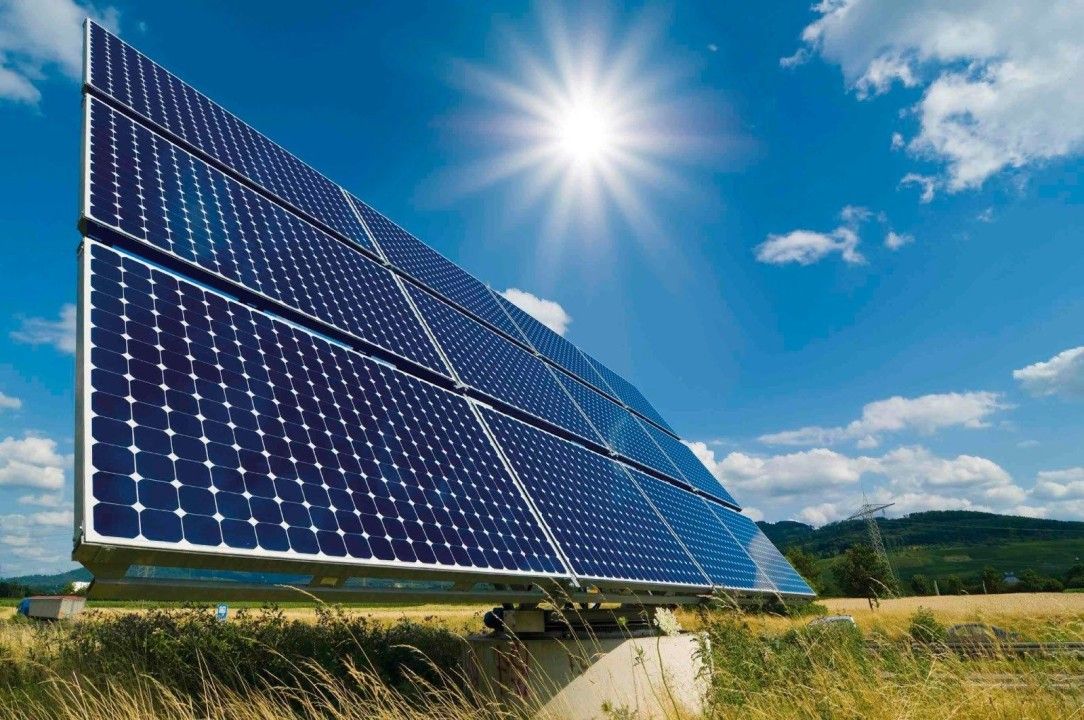
Imagine never having to worry about your electricity bills going up or how your use of energy affects the environment. With solar power systems, this vision can become a reality.
Solar energy, which uses the sun’s power, is a sustainable and ongoing alternative to traditional power sources. In this article, you will explore everything you need to know about solar power systems.
Solar power systems have become increasingly popular due to their environmental benefits and cost savings. As more homeowners and businesses consider this renewable energy source, understanding the components and installation process is crucial. For those interested in exploring the latest advancements and options available, click to read about innovative solutions and expert insights that can help you make informed decisions. By staying informed, you can maximize the efficiency and longevity of your solar power system, ensuring a sustainable and economically beneficial energy solution for years to come.
Types of Solar Power Systems
Grid-Tied Systems
Grid-tied solar power systems are connected to the electrical grid and work in conjunction with utility power. These systems use solar panels to generate electricity during the day, which is then fed into the grid. In return, homeowners may receive credits or compensation for the excess electricity they produce, typically through net metering arrangements.
Off-Grid Systems
These systems use solar panels to generate electricity, which is stored in batteries for later use. Off-grid systems are commonly used in remote areas where grid power is unavailable or prohibitively expensive to install. However, off-grid systems require careful sizing and planning to ensure they meet the energy needs of the household throughout the year.
Hybrid Systems
Hybrid solar power systems combine elements of both grid-tied and off-grid systems, offering the benefits of both approaches. These systems are connected to the grid but also incorporate battery storage for backup power during outages or periods of low sunlight.
Factors to Consider Before Installing Solar Power Systems
Location and Climate
Before installing a solar power system, consider your location and the local climate. Solar panels require sunlight to generate electricity, so it’s essential to assess the amount of sunlight your location receives throughout the year.
Areas with abundant sunlight are ideal for solar installations, while regions with frequent cloud cover or shading may be less suitable. Additionally, consider factors such as roof orientation, tilt, and obstructions that may affect solar panel performance.
Energy Consumption
Evaluate your household’s
Evaluate your household’s energy consumption to determine the size and type of solar power system needed.
Conduct an apples to apples Ohio electric rate comparison and review past utility bills to understand your average monthly energy usage and identify peak demand periods. This information helps determine the capacity and configuration of the solar power system required to meet your energy needs efficiently. to determine the size and type of solar power system needed.
Conduct an apples to apples Ohio electric rate comparison and review past utility bills to understand your average monthly energy usage and identify peak demand periods. This information helps determine the capacity and configuration of the solar power system required to meet your energy needs efficiently.
Budget and Financial Considerations
Of course, assess your budget and financial considerations before investing in a solar power system. Determine how much you can afford to spend on upfront installation costs, including equipment, labor, and permits. Consider financing options such as loans, leases, or power purchase agreements (PPAs) to spread out the cost of installation over time.
If needed, calculate potential long-term savings and return on investment (ROI) from reduced energy bills and incentives to determine the financial feasibility of solar power for your home.
Incentives and Rebates
Research available incentives and rebates offered by government agencies, utilities, and other organizations to offset the cost of solar installations. Incentives may include tax credits, rebates, grants, or performance-based incentives for renewable energy generation.
Also, explore local, state, and federal programs to identify eligibility criteria and application procedures for available incentives. Take advantage of these financial incentives to reduce the upfront cost of installing a solar power system and maximize the financial benefits of solar energy for your home.
Explore the Power of Solar Power Systems Today
As you consider the various factors before installing solar power systems, remember the immense potential they hold in revolutionizing your energy consumption. So, why wait any longer? Embrace the power of solar energy today and pave the way for a brighter, cleaner future.


