



When someone close to you passes away, there’s often an assumption that a full funeral must follow. It’s what many people have seen growing up — a chapel service, a eulogy, a gathering. But as more Australians seek simpler, lower-pressure ways to handle end-of-life arrangements, alternatives are becoming more common. One that’s gaining quiet momentum is cremation without a formal ceremony. To understand how this works, it is helpful first to examine what a standard funeral typically entails.
What Families Often Expect From a Funeral
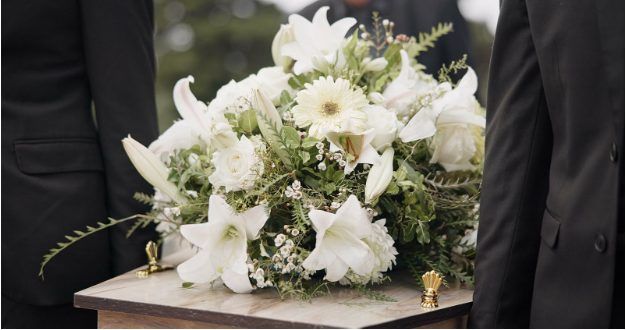
You probably picture a funeral as a structured event. There’s usually a set order: a gathering at a chapel or church, speeches or prayers, music, flowers, a hearse, and often a wake or reception. For many families, these rituals offer comfort. They can provide space to honour a life, to share stories, and to begin grieving collectively.
Traditional funerals also tend to happen quickly, often within a week of death. That can mean a sudden need to make decisions about venues, coffin styles, catering, and who will speak. For families already in shock, the speed and complexity can feel overwhelming. Add in financial pressures, and it becomes clear why not everyone feels this format is correct for them.
It is essential to note that funerals are not legally required in Australia. That’s where other options come in — not to replace tradition entirely, but to offer a different path that still meets legal, emotional, and cultural needs.
How Cremation Without a Formal Service Works
Unlike a standard funeral, direct cremation is organised without a ceremony beforehand. The provider collects the person, handles the necessary legal paperwork, and arranges the cremation privately. There’s no procession, no viewing, and no attendees at the crematorium. Instead, the ashes are returned to the family, who can then decide how and when to memorialise in their way.
This type of arrangement appeals to people for different reasons. Some prefer simplicity or privacy. Others want to avoid making rushed decisions while grieving. It also gives families more time — there’s no need to gather everyone at short notice or plan an event under emotional strain. If you’ve ever wondered what is a direct cremation, it’s this quieter approach: a respectful process that happens behind the scenes, without ceremony.
Families often choose to hold a personal memorial later, in a setting that has meaning for them. That might be at home, at the beach, or in a park. The key difference is that it’s not tied to the cremation itself. The flexibility can feel like a relief, especially for those who don’t find comfort in formal rituals.
Cost, Timing, and Emotional Simplicity
Traditional funerals can involve a wide range of decisions, each with a price tag. There’s often a need to book a venue, organise a service, hire a celebrant or clergy member, arrange transportation, and select coffins, flowers, and printed materials. Even a modest ceremony can cost thousands of dollars once everything is included. For some families, that level of expense doesn’t feel manageable, especially when paired with the emotional weight of a recent loss.
Direct cremation eliminates most of those decisions. Because there’s no formal event attached, there’s no need for a chapel booking, public service, or associated extras. The process is typically streamlined and can be arranged quickly, without the pressure of coordinating guests or making aesthetic choices under time constraints. That doesn’t mean it lacks dignity — it just shifts the focus from presentation to practicality.
There’s also emotional breathing room. When there’s no need to organise a public farewell straight away, families can process things privately, then plan a personal gathering if and when they’re ready. Some choose to scatter ashes months later in a quiet spot. Others create a memorial moment on a significant anniversary. The point is, there’s no script. The timeline becomes theirs to shape.
Why More Australians Are Choosing the Quiet Option
There has been a noticeable shift in how people approach end-of-life care in Australia. More families are stepping away from formal structures and looking for simpler, less public ways to honour someone’s life. In part, this change has stemmed from practical experience — during the pandemic, many people witnessed firsthand how meaningful small, private farewells could be, even without the usual trappings.
Cultural attitudes are also changing. Some people find traditional services too formal or emotionally overwhelming. Others believe that quiet remembrance suits the personality of the deceased. There is a growing recognition that not every farewell needs to follow a standard format, and that meaningful connections don’t always require ceremony.
Cost is a factor, but it’s not the only one. For younger Australians, especially, the idea of tailoring an end-of-life arrangement to suit personal values is becoming more important than following a conventional path. Whether for financial, environmental, or emotional reasons, direct cremation is increasingly seen as a valid, respectful option, not a lesser one.
Deciding What’s Right for Your Situation
When you’re faced with end-of-life decisions, the options can feel overwhelming. There’s pressure to honour the person properly, meet expectations, and move quickly — often all at once. However, what feels right for one family may not suit another, and it’s essential to recognise that there’s no single correct way to say goodbye.
Some people are drawn to the structure and symbolism of a traditional funeral. Others find peace in simplicity, preferring a more private farewell on their terms. It’s also common for family members to have different preferences, which is why clear conversations ahead of time can be helpful. Even a brief chat about wishes can make things easier when the time comes.
If you’re unsure, speaking with a local funeral provider can give clarity. They can walk you through the options, including practical timelines, legal steps, and emotional considerations. The goal isn’t to convince you of one approach over another — it’s to help you make a choice that fits your values, resources, and the person you’re remembering.


