



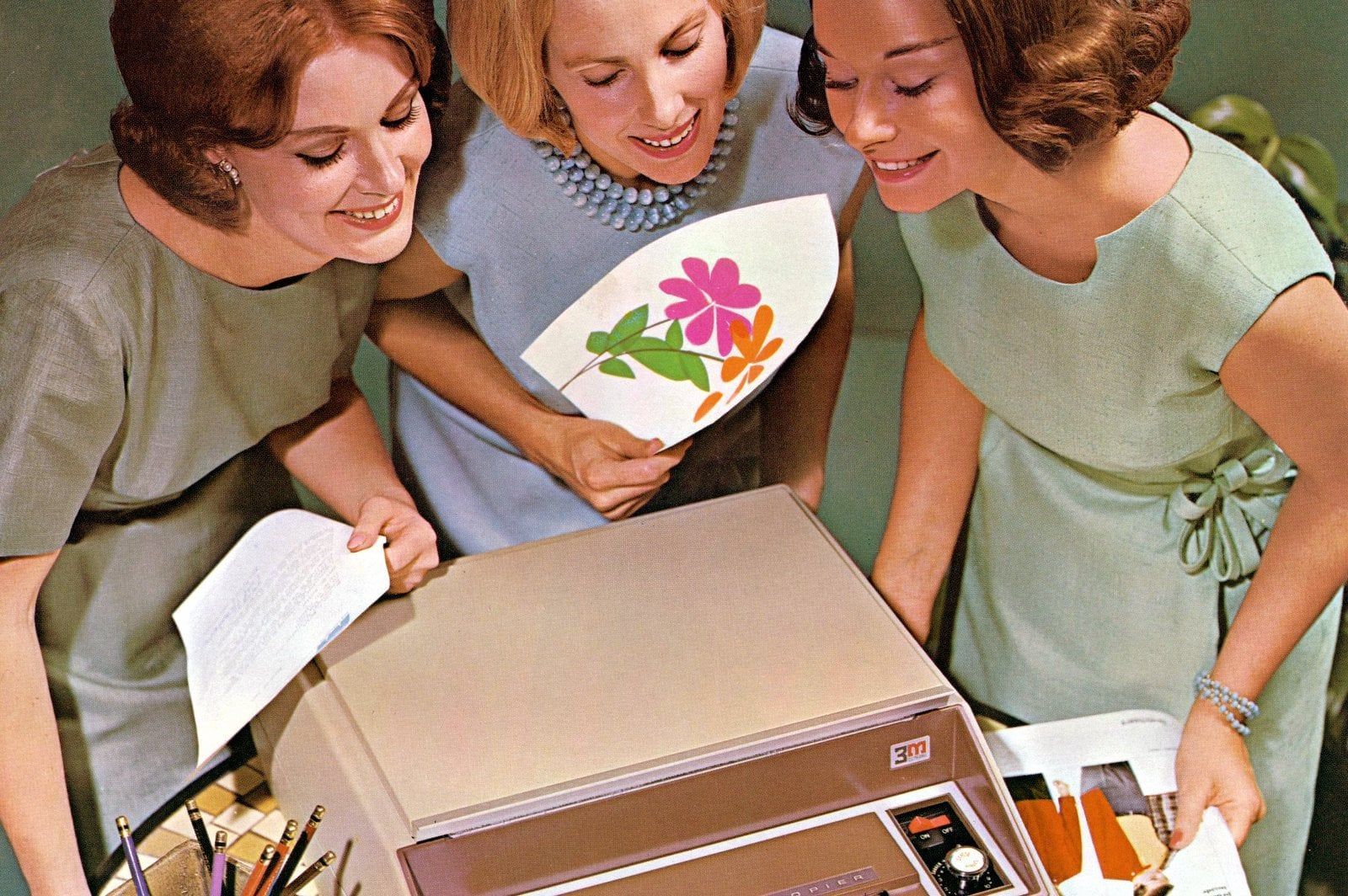
In today’s fast-paced world, the need for efficient and reliable methods to reproduce documents and materials is more critical than ever. Enter the duplicating machine, a technological marvel that has evolved over the decades to become an indispensable tool in various fields. But what exactly are duplicating machines, and how are they used? In this blog, we will explore two primary uses of these machines and understand why they remain relevant in our increasingly digital age.
Understanding Duplicating Machines
Duplicating machines, often referred to as copiers or reprographic machines, are devices designed to produce multiple copies of a document or image quickly and efficiently. The concept of duplicating machines dates back to the late 19th century, with inventions such as the mimeograph and the spirit duplicator leading the way. Modern duplicating machines use advanced technologies like laser printing and digital imaging to produce high-quality duplicates with remarkable speed and precision.
Use Case 1: Educational Institutions
One of the most significant and enduring uses of duplicating machines is in education. Schools, colleges, and universities rely heavily on these machines for various purposes, making them a cornerstone of academic operations.
Classroom Materials
Teachers and professors must frequently provide students with handouts, worksheets, quizzes, and exams. Duplicating machines make this task manageable by allowing educators to produce large quantities of these materials quickly and efficiently. This ensures that every student has access to the necessary resources for their learning.
For instance, consider a high school teacher preparing for a history class. They might need to distribute primary source documents, maps, and comprehension questions to their students. A duplicating machine allows the teacher to make hundreds of copies within minutes, ensuring that all students have the required materials for the lesson.
Administrative Efficiency
Beyond the classroom, duplicating machines play a crucial role in educational institutions’ administrative functions. Offices need to manage a plethora of documents, including registration forms, permission slips, newsletters, and reports. Duplicating machines help streamline these processes by enabling quick reproduction of essential documents.
For example, during enrollment, a college administrative office may need to process and distribute hundreds of enrollment forms and informational brochures to incoming students. A high-capacity duplicating machine can handle this workload efficiently, saving time and resources.
Facilitating Research and Collaboration
Research is a critical component of higher education, and duplicating machines facilitate this by allowing researchers to share their findings and collaborate effectively. Academics often must distribute drafts, research papers, and data sheets to colleagues and students. Duplicating machines ensure that these documents are reproduced accurately and quickly, fostering an environment of shared knowledge and collaboration.
Imagine a university research team working on a groundbreaking study. They need to circulate their findings to various departments for feedback. With a duplicating machine, they can easily produce multiple copies of their research papers and distribute them across the campus, facilitating timely and constructive feedback.
Use Case 2: Business and Office Environments
Another primary use of duplicating machines is in the business world, where they are indispensable for maintaining efficiency and productivity. Offices of all sizes, from small startups to large corporations, utilize these machines for a variety of critical functions.
Document Management
Businesses generate and handle vast amounts of paperwork daily, from contracts and invoices to marketing materials and internal reports. Duplicating machines help manage this workload by enabling the quick and accurate reproduction of these documents.
For example, a legal firm often needs to create multiple copies of lengthy contracts for clients, lawyers, and court submissions. A high-performance duplicating machine ensures that these documents are reproduced quickly and with high fidelity, maintaining the quality and integrity of the original content.
Marketing and Communications
In the realm of marketing, duplicating machines are invaluable for producing promotional materials. Companies frequently need to create brochures, flyers, posters, and newsletters to reach potential customers and stakeholders. Duplicating machines make it possible to produce these materials in bulk, ensuring a consistent and professional presentation.
Consider a small business planning a local marketing campaign. They need to produce thousands of flyers to distribute in their community. A duplicating machine allows them to create high-quality copies quickly, enabling them to execute their campaign efficiently and effectively.
Streamlining Operations
Duplicating machines also streamline various operational tasks within businesses. For instance, having printed materials such as agendas, reports, and presentations during meetings is essential for effective communication. Duplicating machines allow businesses to prepare these materials in advance, ensuring that meetings run smoothly and participants are well-informed.
Imagine a corporate office preparing for a quarterly meeting. The team needs to distribute detailed financial reports and strategic plans to all attendees. A duplicating machine allows them to produce the necessary copies efficiently, ensuring that the meeting proceeds without delays.
The Evolution of Duplicating Machines
While the primary uses of duplicating machines in education and business have remained relatively consistent, the technology behind these machines has evolved significantly. Early duplicating machines, such as the mimeograph, required manual effort and produced lower-quality copies. Today’s digital duplicators and multifunction printers combine copying, scanning, printing, and faxing capabilities, offering unparalleled convenience and efficiency.
Modern duplicating machines use laser and inkjet technologies to produce high-resolution copies quickly. They are equipped with features such as automatic document feeders, duplex printing, and network connectivity, making them versatile tools for a wide range of tasks. Additionally, the integration of digital technologies has enhanced their functionality, allowing users to manage and distribute documents electronically, further increasing efficiency.
Sustainability and Environmental Impact
As businesses and educational institutions become increasingly conscious of their environmental impact, the sustainability of duplicating machines has come under scrutiny. Modern machines are designed with energy efficiency in mind, reducing power consumption and minimizing waste. Many duplicating machines now offer eco-friendly features such as duplex printing, which reduces paper usage, and the use of recycled materials in their construction.
For example, some duplicating machines are equipped with toner-saving modes and are compatible with recycled paper, helping organizations reduce their carbon footprint. Additionally, manufacturers are developing machines with longer lifespans and more sustainable manufacturing processes, contributing to a more environmentally friendly approach to document reproduction.
Conclusion
Duplicating machines remain vital tools in both educational and business environments. Their ability to produce high-quality copies quickly and efficiently supports a wide range of tasks, from creating classroom materials and managing administrative documents to producing marketing materials and streamlining business operations. As technology continues to advance, duplicating machines will undoubtedly evolve, offering even greater efficiency, sustainability, and versatility.
In an era of increasingly prevalent digital solutions, the need for physical copies of documents and materials persists. Duplicating machines bridge the gap between digital and physical mediums, ensuring critical information is accessible and easily distributed. Whether in schools, universities, or corporate offices, duplicating machines play an essential role in facilitating communication, collaboration, and productivity.
As we look to the future, it is clear that duplicating machines will continue to adapt to meet the changing needs of users. By embracing new technologies and sustainable practices, these machines will remain indispensable tools, helping organizations operate more efficiently and responsibly. So, the next time you print a document or create a set of handouts, take a moment to appreciate the sophisticated technology behind the duplicating machine, a true workhorse of the modern world.


