



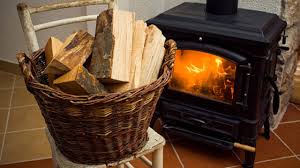
They give a feeling of nostalgia and offer both warmth and tradition to many homes. Nevertheless, for them to work correctly and safely, proper installation and maintenance is essential. This guide contains important safety advice for handling tuyau poêle à bois 150.
Picking the Right Materials: Opt for stainless steel or double-walled insulated stovepipes. These materials are resistant to high temperature dangers, crackings and deteriorations that guarantee durability.
Clearance and Sizing Considerations: Make sure the size of the stovepipe matches that of the stove discharge diameter, typically 150 mm in medium to large wood stoves. Do not touch with any flammable materials, consult your stove’s manufacturer requirements.
Ensuring Proper Draft Maintenance: It is necessary to have a well-ventilated flue so as to burn efficiently leading to reduced creosote buildup which may cause chimney fires. To maintain good airflow and prevent creosote accumulation do not include sharp bends or long horizontal sections in your flue liners.
Secure Fastening of Connectors: All components of the stovepipe should be securely connected with screws or clamps ensuring no smoke leakage through openings if connections get loose over time.
Insulation and Heat Shields: In order to protect combustible materials where it passes through walls/floors/ceilings, install insulation sleeves or heat shields around the flue line route. These measures can provide additional protection against potential structural damage as well as fire hazards.
Regular Inspection and Cleaning: Keep an eye on your stovepipe regularly for signs of corrosion damage or soot accumulation. Mechanical sweeping periodically or chemical treatment will remove creosote which reduces risk of chimney fires. To know about the Tubage Center, please visit our website.
Monitoring Temperature: Look out for surface temperature changes on your pipe during use. If temperatures rise it could mean that there is inadequate draft insulation or malfunctioning stove. Therefore, promptly identify and fix these issues using a thermometer gun.
Weather Considerations: External factors such as strong winds, heavy rain or snowfall can affect flu performance. A chimney cap will keep off water and downdrafts that may cause smoke to enter your house.
Professional Installation and Maintenance: Despite it being tempting to do-it-yourself, it’s advisable that you use properly trained experts in installing or altering your wood stove and flue system. Safety codes as well as building regulations are adhered to by the professionals.
Educating Household Members: All family members should know how to operate and maintain the woodstove and flue properly. This training will enable them safely run the stove while anticipating for potential problems.
By following these safety tips, you can effectively enjoy the warmth of your woodstove while ensuring its efficient operation without compromising on security standards.


