



Wondering how much a spray foam rig costs? Spray foam rigs are specialized equipment used to apply spray polyurethane foam (SPF), a highly effective form of insulation and sealing. These rigs play a crucial role in the construction and renovation industries, providing an efficient means for applying spray foam quickly and evenly across various surfaces. Understanding the composition and operation of spray foam rigs, along with their maintenance needs, is essential for professionals in the industry to ensure optimal performance and durability of the equipment. We will cover the vital components of spray foam rigs, how they function in typical insulation projects, and the key considerations for maintaining them in good working order.
Components of a Spray Foam Rig
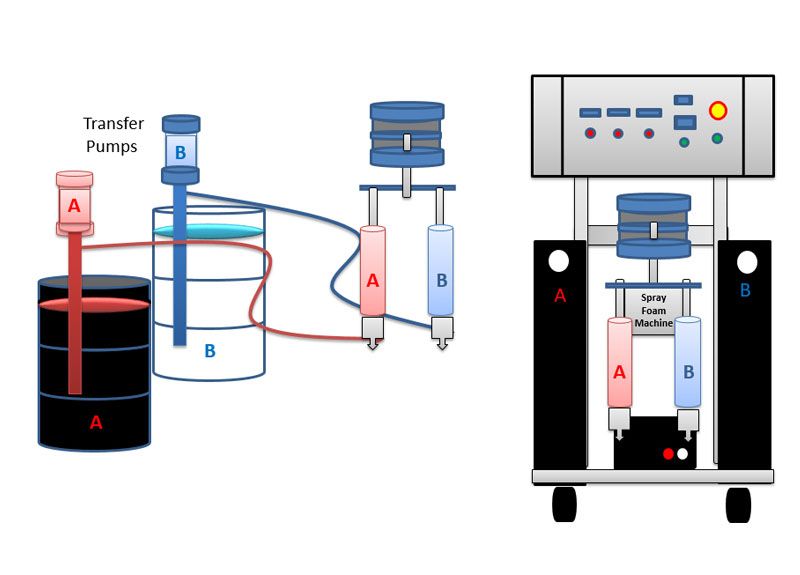
A spray foam rig is a mobile factory on wheels equipped with all the necessary components to mix and apply spray foam. These components include the material storage containers, proportioner, spray gun, heated hoses, and ancillary equipment needed for setup and cleanup.
Material storage containers on the rig hold the two primary components of spray foam: isocyanate and polyol resin. These chemicals are kept in separate containers and are only mixed at the application site to form the foam. The proportioner is a critical component of the rig; it ensures that the two materials are heated to the correct temperature and mixed in the precise ratio necessary for effective foam application. This precision is crucial for the chemical reaction that causes the liquid mixture to expand into foam.
The heated hoses are another vital component. They maintain the chemicals at a consistent temperature during their transfer from the proportioner to the spray gun, preventing premature curing. The spray gun is where the two components combine and react. It is designed to offer control over the application process, allowing for adjustments in spray patterns and material output according to the specifics of the job at hand.
Functionality of Spray Foam Rigs
Spray foam rigs are designed to provide a complete, on-site solution for insulation tasks. Their functionality extends from mixing the chemical components to applying the foam to various surfaces. The process begins when the chemicals are drawn from their respective storage containers by the proportioner, which heats and pumps them through the hoses to the spray gun at high pressure.
The spray gun mixes the chemicals very quickly, causing them to react and expand upon contact with the air and the application surface. This expansion allows the foam to fill gaps, cracks, and crevices, forming an airtight and watertight seal that significantly enhances the insulation properties of a building. The rig’s design typically allows for adjustment and control of the foam’s density and expansion rate, which can vary depending on the project’s specific requirements—whether for roofing, walls, attics, or other specialized applications.
The mobility of a spray foam rig is one of its key advantages. It can be brought directly to a construction site, where all foam mixing and application process components are handled on-site. This mobility reduces material waste and increases efficiency as the foam is applied directly where needed without extensive transport or handling.
Maintenance and Upkeep of Spray Foam Rigs
Proper maintenance of spray foam rigs is essential to ensure their longevity and functionality. Routine checks and regular servicing can prevent breakdowns that could delay construction projects and increase costs. Maintenance generally includes several key practices, such as cleaning, mechanical checks, and system updates.
Cleaning is the most frequent maintenance task, particularly for the spray gun and hoses. Residual foam can harden within these components, leading to clogs and inefficiency. Regular cleaning with appropriate solvents and tools is necessary after each use to ensure no foam remains in the equipment to harden and cause problems later.
Mechanical checks involve inspecting the rig’s engines, pumps, and electrical systems to ensure everything operates. These checks should look for signs of wear and tear, leaks, or any damage that might have occurred during the operation. It is also important to check the condition of the hoses and seals regularly, replacing them as necessary to prevent leaks, which can affect the quality of the foam application.
System updates may include software updates for digital components, such as electronic proportioners, or hardware upgrades to enhance the rig’s functionality or comply with new industry standards. Keeping the rig updated can prevent it from becoming obsolete and introduce more efficient, effective, and environmentally friendly methods of foam application.Choosing the right spray foam rig for purchase or rental requires a thorough understanding of the equipment’s components, functionality, and maintenance needs. Homeowners and businesses involved in construction and renovation projects must consider how frequently they will use the equipment, the financial implications of purchasing versus renting, and the maintenance responsibilities they are prepared to undertake.


