






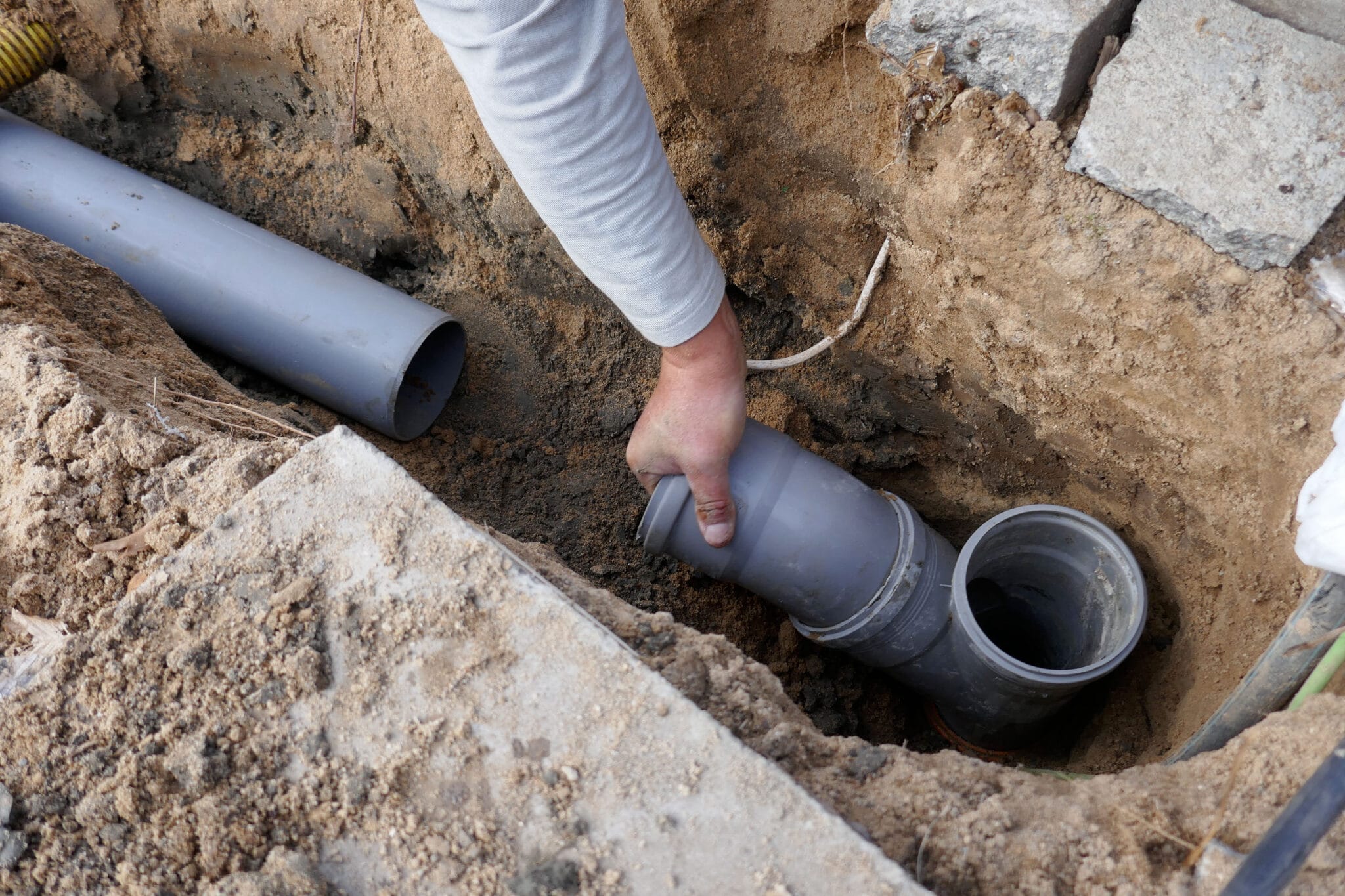
Sewer systems are crucial infrastructures that efficiently dispose of waste and wastewater from residential, commercial, and industrial areas. However, these systems can degrade over time, leading to various issues such as leaks, blockages, and structural damage. We delve into sewer repair, exploring different methods, associated costs, and essential considerations for property owners and managers. You can learn more about Carlson Plumbing Company by visiting the website.
Sewer Repair: Methods, Costs, and Key Considerations for Property Owners and Managers
- The Importance of Timely Sewer Repair
Addressing sewer problems promptly is vital to prevent further damage and mitigate health hazards. When left unattended, sewer issues can escalate, causing extensive property damage and posing health risks due to exposure to harmful bacteria and pathogens.
- Signs of Sewer Problems
Recognizing the signs of sewer problems early on can save you time, money, and hassle. Common indicators include foul odors, slow drainage, gurgling sounds from drains, sewage backups, and noticeable changes in your yard’s landscape, such as sinkholes or wet patches.
- Sewer Inspection and Diagnosis
Before proceeding with sewer repairs, a thorough inspection and diagnosis are necessary to pinpoint the exact issues affecting the system. Modern techniques such as video camera inspection allow professionals to assess sewer line conditions accurately.
- Methods of Sewer Repair
- Traditional Excavation
Traditional excavation involves digging trenches to access and repair or replace damaged sewer lines. While effective, this method can be disruptive, time-consuming, and costly, especially for properties with extensive landscaping or infrastructure above the sewer lines.
- Trenchless Sewer Repair
Trenchless sewer repair techniques, including pipe relining and pipe bursting, offer less invasive alternatives to traditional excavation. These methods require minimal digging, making them ideal for preserving landscaping and reducing repair costs.
- Factors Influencing Sewer Repair Costs
Several factors influence the cost of sewer repairs, including the extent of damage, accessibility of the sewer lines, the chosen repair method, and local labor and material costs. Obtaining multiple quotes and comparing services is essential before proceeding with repairs.
- Environmental Considerations
Environmental considerations are crucial when undertaking sewer repairs. Proper wastewater disposal, adherence to environmental regulations, and the use of eco-friendly materials and practices contribute to sustainable sewer repair solutions.
- DIY vs. Professional Sewer Repair
Some minor sewer issues, such as unclogging drains, can be addressed through DIY methods, but complex repairs and replacements require professional expertise. Attempting complex repairs without the necessary skills and equipment can worsen the problem and lead to costly repairs.
- Importance of Regular Maintenance
Regular maintenance and inspection of sewer systems can prevent major issues from occurring. Simple tasks such as clearing debris from drains, avoiding flushing non-biodegradable items, and scheduling periodic sewer inspections can prolong the lifespan of your sewer system.
-
Impact of Aging Infrastructure
Aging sewer infrastructure is a prevalent issue in many cities and communities. As sewer systems age, they become more susceptible to corrosion, cracks, and collapses, necessitating extensive repairs or replacements. Municipalities and property owners must prioritize upgrading and modernizing aging sewer systems to ensure long-term functionality and reliability.
-
Future Trends in Sewer Repair
Advancements in technology, such as robotic inspection tools, predictive analytics, and intelligent monitoring systems, are shaping the future of sewer repair. These innovations enable proactive maintenance, early problem detection, and data-driven decision-making, ultimately improving the efficiency and effectiveness of sewer repair processes.
The management and maintenance of sewer systems are crucial for public health, environmental sustainability, and the efficient functioning of urban areas. Sewer repair encompasses a range of methods, costs, and considerations that property owners, managers, and municipalities must navigate to ensure optimal system performance.
By staying vigilant for signs of sewer problems, investing in regular inspections, and promptly addressing issues, individuals can mitigate the risk of costly repairs and minimize disruptions to daily life. Whether traditional excavation or trenchless, choosing the correct repair method depends on the extent of the damage, accessibility, and budgetary constraints.
Furthermore, environmental considerations play a significant role in sewer repair practices. Sustainable disposal of wastewater, adherence to regulations, and adopting eco-friendly materials contribute to a greener approach to infrastructure maintenance.
Looking ahead, technological advancements promise to revolutionize sewer repair processes. From advanced inspection tools to predictive analytics and intelligent monitoring systems, these innovations enable proactive maintenance, early problem detection, and data-driven decision-making, paving the way for more efficient and effective sewer management.
As cities grapple with aging infrastructure and growing populations, prioritizing sewer system upgrades and modernization efforts is paramount. By embracing these challenges and leveraging emerging technologies, communities can ensure resilient, sustainable, and reliable sewer systems that meet the needs of present and future generations.
In essence, sewer repair is not just about fixing pipes—it’s about safeguarding public health, protecting the environment, and building resilient communities. Understanding the complexities and embracing innovation can create a cleaner, safer, and more sustainable world.


