



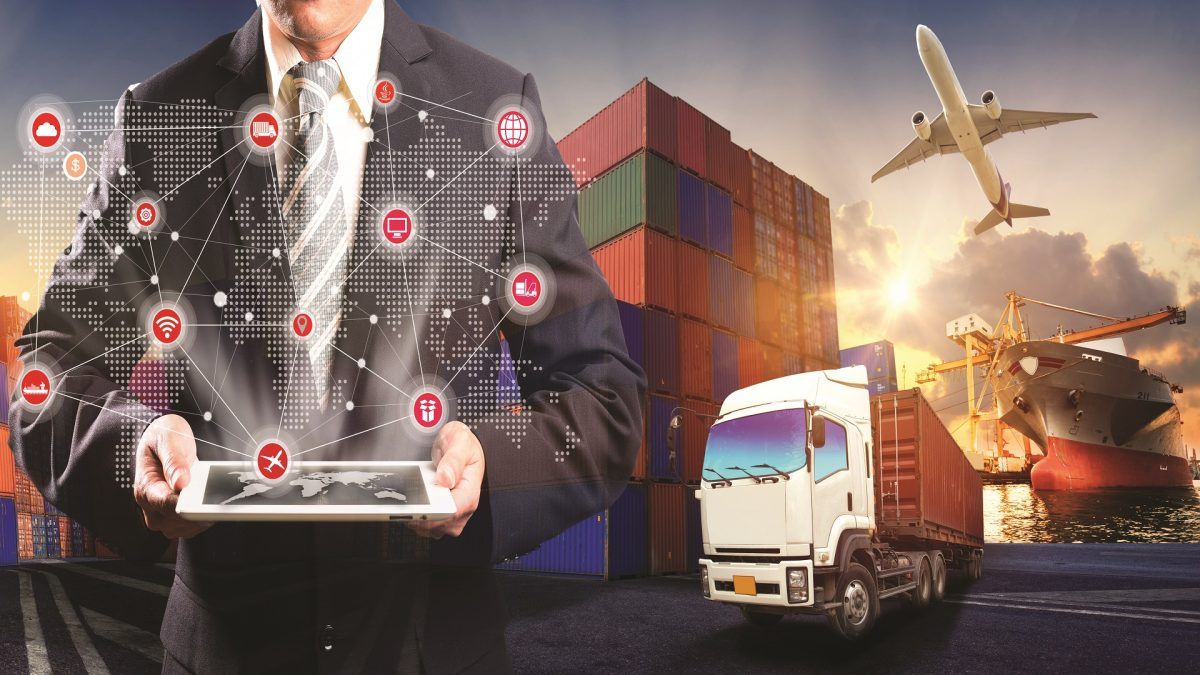
How can cities and businesses improve the way people and goods move? Technology is changing how vehicles, infrastructure, and logistics work together. Let’s explore how innovation is shaping transportation.
Smarter Systems for Efficiency
Technology is making transport smoother and faster. Automated traffic signals reduce congestion by adjusting to real-time conditions. GPS and AI-powered routing help drivers avoid delays. Sensors on roads and bridges monitor conditions to prevent accidents. Digital payment systems speed up toll collection and public transit access. These tools make travel safer and more efficient.
Businesses and cities must rethink movement strategies. Transportation planning now includes smart traffic management, predictive analytics, and connected vehicles. Companies use data-driven solutions to cut costs and improve reliability. Public transit systems upgrade their networks with real-time tracking and mobile ticketing. Logistics firms optimize delivery routes with machine learning. Every change enhances the way people and goods move.
Enhancing Safety with Smart Technology
Safety remains a top priority in transportation. Advanced driver-assistance systems (ADAS) help prevent accidents by alerting drivers to dangers. Automated braking and lane-keeping reduce collisions. AI-powered cameras monitor driver behavior to prevent fatigue-related incidents. Smart traffic signals adjust based on real-time road conditions. These tools work together to create safer roads for everyone.
Public transportation is also becoming more secure. Surveillance systems use AI to detect suspicious activity. Contactless payments reduce the risk of theft or fraud. Emergency alert systems quickly notify authorities of any incidents. Fleet tracking ensures buses and trains stick to safe routes. With the right technology, transportation is becoming more efficient and safer for passengers and drivers alike.
Selecting an Advanced Transportation Company
Partnering with a tech-driven transport provider offers many benefits. The right company ensures on-time deliveries and efficient scheduling. It uses advanced software to track shipments in real-time. Digital platforms allow instant booking and automated dispatching. AI-driven safety systems protect passengers and cargo. Data analytics help optimize costs and reduce waste.
Technology-backed transport firms provide seamless service. They use electric or hybrid vehicles to lower emissions. AI-powered customer support improves communication. Integrated systems allow businesses to manage fleets effortlessly. Working with a modern provider enhances efficiency and reliability.
Sustainability in Modern Mobility
Green transport solutions are becoming essential. Electric buses and trains reduce fuel consumption. Ride-sharing and carpooling platforms decrease the number of vehicles on the road. A smart infrastructure supports bike lanes and pedestrian-friendly spaces.
Public transit is integrating renewable energy sources. These solutions help cut pollution and conserve resources. Many companies are investing in eco-friendly transport. Cities introduce congestion pricing to limit excessive car use. Charging stations for electric vehicles are expanding nationwide. Sustainable mobility is becoming the new standard.
How Smart Connectivity Helps
Connected vehicles are changing transportation. Cars and buses now communicate with traffic lights to reduce delays. Real-time data helps predict congestion and improve routes. Mobile apps allow passengers to check arrival times and book rides easily. Logistics companies use IoT to track shipments worldwide. These systems ensure smoother and more reliable transportation.
5G technology is making mobility even smarter. Faster internet speeds enhance vehicle-to-vehicle communication. Smart grids manage power for electric vehicle charging. AI-powered assistants improve driver safety. Digital twins and AI help simulate traffic patterns for better planning. The future of transport is becoming more connected and efficient.
Technology is reshaping the way people and goods move. Businesses and governments are upgrading systems for safety, efficiency, and sustainability. Transportation planning now relies on AI, automation, and green solutions to improve mobility. The right innovations reduce congestion, lower costs, and enhance travel experiences. The future of transport is faster, smarter, and more reliable than ever.


