






Maintaining and repairing your deck is crucial to ensuring its longevity and safety. A well-cared-for deck not only enhances the aesthetic appeal of your outdoor space but also provides a safe environment for relaxation and entertainment. Over time, exposure to the elements and regular wear and tear can cause significant damage to your deck.
By following some essential maintenance and repair tips, you can keep your deck looking as good as new and extend its lifespan. Whether you’re a seasoned DIY enthusiast or a homeowner looking to take better care of your property, these top tips will guide you through the process of keeping your deck in pristine condition.
Regular Cleaning
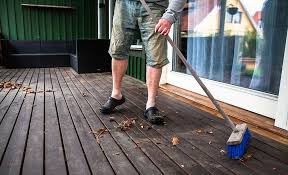
Regular cleaning is the first step in maintaining the beauty and functionality of your deck. Start by sweeping away debris such as leaves, twigs, and dirt that can accumulate on the surface and between the boards. This prevents moisture build-up and the growth of mold and mildew. Using a garden hose or a pressure washer, give your deck a thorough rinse to remove any stuck-on grime.
For more stubborn stains or mildew, a gentle scrub with a deck cleaner or a mixture of water and mild soap can work wonders. Make sure to clean in the direction of the wood grain to avoid damage. Scheduling these cleanings monthly can make a huge difference in the long-term appearance and condition of your deck.
If you’re not comfortable with handling the cleaning and maintenance of your deck, consider hiring professionalDeck Build and Repair Services.
Inspect for Damage
Regularly inspecting your deck for signs of damage is essential for maintaining its safety and structural integrity. Begin by examining the surface for any cracks, splinters, or warped boards that could pose tripping hazards or compromise the deck’s stability. Pay close attention to areas where the deck connects to your house, as these spots are particularly susceptible to wear and water damage.
Look for rust on screws or nails, and ensure that all fasteners are secure. Additionally, check the supporting beams and posts for any signs of rot or insect infestation. By addressing these issues promptly, you can prevent minor damage from escalating into major problems, ultimately protecting your investment and ensuring your deck remains a safe and enjoyable outdoor space.
Seal and Stain Regularly
To preserve the longevity and appearance of your deck, regular sealing and staining are indispensable. These processes protect the wood from harmful UV rays, moisture, and temperature fluctuations, which can lead to cracking, warping, and decay. Start by selecting a high-quality sealant and stain that suits your deck’s material.
Begin with a clean and dry surface, applying the sealant evenly with a brush or roller, ensuring all areas are covered, including joints and edges. Follow up with a stain to enhance the wood’s natural beauty and add an extra layer of protection. Aim to seal and stain your deck every two to three years, or as recommended by the product manufacturer, to keep your deck looking vibrant and resilient against the elements.
Replace Damaged Boards
Replacing damaged boards in a timely manner is crucial to maintaining your deck’s safety and appearance. Start by identifying the boards that are cracked, split, or beyond repair. Use a pry bar to carefully remove the damaged boards, taking care not to harm adjacent decking. Measure and cut replacement boards to the exact dimensions of the originals, ensuring a snug fit.
Secure the new boards with corrosion-resistant screws or nails, making sure they are flush with the existing deck surface. If you’re unsure about the type of wood to use, consult a professional or reference your deck’s original material.
Keep It Dry
Keeping your deck dry is vital for preventing moisture-related damage such as rot, mold, and mildew. Start by ensuring proper ventilation under the deck to allow airflow, reducing moisture buildup. Trim back any nearby vegetation to prevent it from trapping moisture against the deck. Regularly clean gutters and downspouts to prevent water from spilling onto your deck. Use outdoor rugs or mats designed for decks to avoid trapping moisture underneath.
Applying a water-repellent sealant can also significantly reduce the absorption of water into the wood. Additionally, make sure to slant the deck slightly to promote water runoff.
Prevent Insect Infestations
Preventing insect infestations is essential to maintaining the structural integrity and aesthetics of your deck. Begin by using pressure-treated wood or naturally insect-resistant materials, such as cedar or redwood, during construction. Regularly inspect your deck for signs of insect activity, such as small holes, sawdust, or frass.
Keep the surrounding area clean and free from debris, as this can attract pests. Seal any cracks or gaps where insects might enter, using caulk or wood filler. Applying a protective sealant not only guards against moisture but also deters insects. Lastly, consider using insect repellent treatments specially formulated for wood.
Address Loose Nails and Screws
Addressing loose nails and screws is pivotal for maintaining the safety and stability of your deck. Begin by regularly inspecting the deck for any fasteners that have become loose or dislodged. Use a hammer to carefully drive loose nails back into place or, better yet, replace them with deck screws, which offer more secure fastening.
Tighten any loose screws with a screwdriver, ensuring they are flush with the deck surface to prevent tripping hazards. If you notice recurring issues with fasteners coming loose, it may indicate a need for deeper inspection or possible structural reinforcement.
Protect Against Weather Elements
Protecting your deck against weather elements is crucial for maintaining its structural integrity and appearance. Start by investing in a high-quality deck cover or awning to shield it from harsh sun, rain, and snow. Regularly applying a waterproof sealant creates a barrier against moisture, preventing water damage and rot. UV-resistant stains or paints help protect the wood from the sun’s harmful rays, reducing fading and cracking.
During extreme weather conditions, consider using tarps or other protective coverings to provide extra security.
In conclusion
Ensuring the longevity and safety of your deck requires a combination of regular maintenance, timely repairs, and protective measures. From keeping it clean and dry to addressing structural issues and preventing insect infestations, each step plays a vital role in preserving your deck’s integrity and appearance.
By implementing these top tips, you can extend the life of your deck, providing a beautiful and functional outdoor space for years to come. Whether you’re making minor fixes or planning a complete overhaul, staying proactive with your deck maintenance will save you time, effort, and potential costs down the road.


