



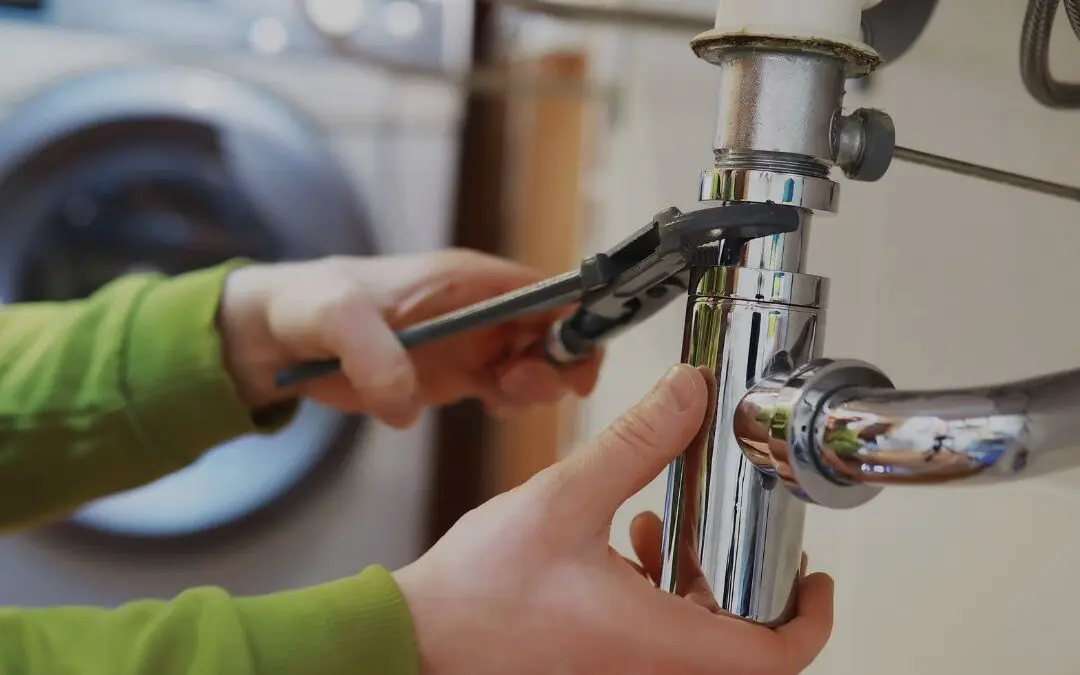
A well-functioning plumbing system is the backbone of every home. From delivering clean water to removing waste, it’s easy to take our plumbing for granted—until something goes wrong. Plumbing emergencies can range from slight annoyances to major disasters. But if you’re prepared and know what to look for, you can handle many issues before they escalate. Understanding the most common plumbing emergencies every homeowner faces is key to keeping your home safe, dry, and functional. Now, let’s dive in!
In addition to understanding these common plumbing emergencies, it’s crucial for homeowners to have access to reliable plumbing services. For those seeking expert advice or immediate assistance, you can view this page to explore a range of solutions tailored to address urgent plumbing issues. Whether it’s a burst pipe or a malfunctioning water heater, having a trusted resource can make all the difference in preventing further damage and ensuring peace of mind. Remember, timely intervention is key to maintaining the integrity of your home’s plumbing system.
What Is a Clogged Drain or Toilet?
Clogged drains and toilets are common plumbing issues. Blockages occur when debris or foreign materials prevent water from flowing freely.
Signs of a Blockage:
- Slow Draining Water: Water taking longer to drain can indicate a developing clog.
- Gurgling Sounds: Strange sounds often signal air trapped by a partial blockage.
- Backed-Up Water: A major blockage is likely if water backs up in your sink or toilet.
Prevention:
- Use Drain Screens: Prevent hair, soap, and food scraps from entering drains.
- Be Careful What You Flush: Avoid flushing wipes, paper towels, or grease.
Immediate Steps to Take When a Clog Occurs:
- Plunger: The first thing to try is a plunger. A quick plunge can often dislodge a minor clog.
- Baking Soda and Vinegar: First, pour 1/2 a cup of baking soda and vinegar into the drain. Let it sit for 15 minutes, and then rinse with hot water.
What Causes Leaky Faucets and Pipes?
Leaky faucets and pipes waste water and increase bills.
Common Causes:
- Worn Washers or Seals: Over time, rubber washers or seals can deteriorate, causing leaks.
- Corroded Pipes: Old, rusted pipes can develop leaks.
- Loose Fittings: Improper installation or movement of pipes can cause leaks.
Why Fix Leaks Quickly?
Ignoring any leaks can lead to higher water bills, property damage, and mold growth. Delaying repairs often increases repair costs.
DIY Fixes:
- Tighten Fittings: If you notice leaks around pipe fittings, tighten them with a wrench.
- Replace Washers: Turn off the water supply and replace worn faucet washers or seals.
When to Call in a Professional:
If the leak is persistent or you can’t locate the source, it’s best to call a plumber. Leaky pipes within walls or under floors may require professional expertise to repair without causing damage.
What Are the Signs of a Broken Water Heater?
Water heaters are a luxury we often take for granted, especially during the colder months. But when your water heater breaks down, it can make your daily routine much more difficult. If you notice any of the following signs, it’s time to investigate:
Signs of a Broken Water Heater:
- No Hot Water: This is the most obvious sign. If your shower or sink water is cold, your heater may have failed.
- Strange Noises: Rumbling or popping noises from your water heater may indicate sediment buildup inside the tank.
- Leaks Around the Heater: If water is pooling around your heater, this could indicate a serious problem, such as a crack or faulty valve.
Troubleshooting Tips:
- Check the Pilot Light: If you have a gas heater, check to see if the pilot light is out. Relighting it may solve the issue.
- Check the Thermostat: If the water temperature is too low, adjust the thermostat to the desired setting.
Safety Considerations:
Before troubleshooting or fixing a water heater, turn off the power supply or gas to avoid accidents.
What Causes Burst Pipes?
Burst pipes can cause significant damage, especially if located in hard-to-reach areas. Freezing temperatures are the primary cause, as water inside pipes freezes, expands, and causes cracks or bursts.
How to Identify and Prevent a Sewer System Backup?
A sewer backup is one of the most unpleasant plumbing emergencies. Not only is it highly unsanitary, but it also poses serious health risks. A sewer backup happens when waste and water cannot flow out of your home due to a clog or malfunction in the sewer line.
Signs of a Sewer Backup:
- Multiple Drains Clogging at Once: If several drains in your home are backing up simultaneously, this may be a sign of a clog in the main sewer line.
- Foul Odors: A strong, unpleasant smell is often the first sign of a sewer issue.
- Slow Draining: Slow drainage in multiple fixtures may indicate a significant sewer backup.
Prevention Tips:
- Proper Disposal: Never flush non-biodegradable items like wipes, grease, or diapers.
- Tree Root Maintenance: Tree roots can invade sewer lines. Regular inspections can help catch issues early.
- Regular Inspections: Have a plumber inspect your sewer system every few years to catch any problems before they cause a backup.
Why You Need Professional Help:
Sewer backups require professional intervention. Plumbers can clear blockages and assess whether your sewer system needs repairs or replacement.
Plumbing Peace of Mind
Recognizing common plumbing emergencies and taking preventive measures is essential for maintaining a safe, efficient home. Avoiding clogged drains, leaky faucets, broken water heaters, burst pipes, and sewer backups can save time, money, and stress. Not all plumbing problems can be solved with DIY fixes, so don’t hesitate to call a professional when necessary.


