



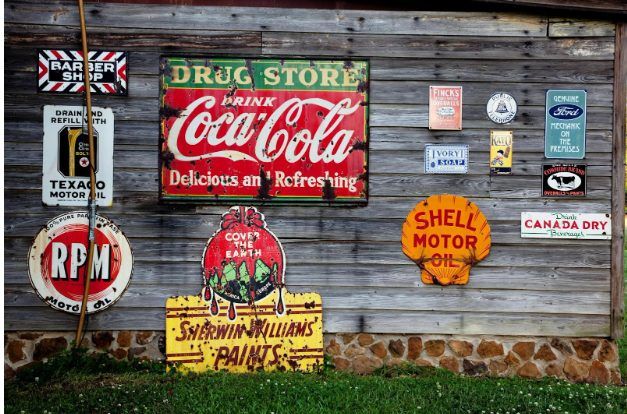
Marketing trends evolve, but great strategies endure. Whether it’s a catchy slogan from the 1950s or a viral Instagram campaign today, some messages seem to strike a universal chord. As businesses chase the next big thing, it’s easy to forget that marketing history is full of enduring lessons. Tactics that captivated audiences decades ago can still work wonders today—if adapted thoughtfully. In a world where consumer behaviour spans generations, creating campaigns that transcend age brackets isn’t just clever; it’s crucial.
This article explores marketing strategies that stay relevant through time and how modern brands can borrow brilliance from the past while staying future-ready.
- Understanding the Generational Landscape
Before any campaign can reach across generations, you must first understand the makeup of your audience. Each generation has distinct traits shaped by the time they grew up in. Baby Boomers tend to value loyalty and traditional service. Millennials respond well to values-based branding and digital engagement, while Gen Z leans toward fast content, diversity, and authenticity.
Brands that learn to adapt their tone and approach—without changing their core message—can speak to multiple generations at once. Think of how a brand like LEGO appeals to children, nostalgic parents, and even adult hobbyists. With a solid understanding of each group’s expectations, marketers can tailor delivery methods while keeping their messaging cohesive.
- Revisiting Classic Ads: Mining the Past for Future Wins
There’s a lot of wisdom in old campaigns. Classic advertising holds a certain charm—often driven by creativity, wit, and strong storytelling. For today’s marketers, looking back can be an unexpected goldmine of ideas. The only challenge is accessing this old material, especially if it’s sitting in outdated formats like VHS tapes.
That’s where conversion services come in. Companies like Digital Converters offer a reliable way to convert VHS to DVD, letting businesses digitise their archives without hassle. With just a few steps, you can preserve old TV commercials, internal marketing demos, or early brand videos that might otherwise be lost. Their process includes safe shipping, format choices (like USB or DVD), and optional editing services. Once converted, these clips can be reused, studied, or even repurposed for today’s campaigns.
- Storytelling That Stands the Test of Time
Regardless of platform or audience, stories continue to be the most powerful tool in a marketer’s kit. They humanise brands, give structure to campaigns, and create emotional resonance. A compelling story builds trust and memory, making it easier for people to relate to a brand.
What works across generations is not the plot itself but the human truth behind it. Themes like belonging, growth, humour, and resilience appeal to just about everyone. When brands get this right, the format—whether it’s a newspaper ad, YouTube video, or Instagram reel—simply becomes a vehicle for connection.
- Visual Identity: Why Design Consistency Still Matters
A brand’s visual style is often its first impression. Over time, it also becomes one of its most trusted signals. Although design trends evolve, consistency ensures your audience always knows what to expect. That doesn’t mean logos or colours should never change—but rather, any changes should feel like a natural progression rather than a rebrand for the sake of novelty.
Take the example of Shell, Ford, or even BBC. Their logos have shifted subtly over decades, but the essence has remained intact. Strong visual identity, when built with intent, works across generations because it becomes part of the brand’s legacy.
- Multi-Channel Presence: Meet Them Where They Are
No single channel fits all. Baby Boomers might still enjoy direct mail and radio, while Gen Z expects mobile-first content and fast updates. Instead of picking one audience over another, smart brands repurpose content for multiple platforms.
A campaign video can be trimmed for TikTok, expanded on YouTube, summarised in an email, and referenced in a podcast. By shifting the way a story is told rather than the story itself, brands can remain visible to all age groups without fragmenting their message.
- Trust and Transparency: The Evergreen Brand Currency
No matter how advanced marketing channels become, the foundation of any successful brand is trust. Over the years, the way trust is built has evolved—but the importance of it hasn’t changed. Whether it’s a small family business or a global corporation, transparency in operations, pricing, and communication remains a winning strategy.
Today’s consumers, particularly younger ones, expect brands to be honest and open. They want to know where products are sourced, how workers are treated, and what values a company stands for. At the same time, older generations value easy-to-understand messaging and clear commitments. Brands that consistently deliver on their promises foster loyalty that spans decades.
- Tapping into Nostalgia Without Being Dated
Nostalgia has a powerful emotional pull. It brings comfort, familiarity, and connection. For older generations, it recalls fond memories. For younger ones, it offers a glimpse into a style or moment they didn’t live through but find appealing.
Many brands have used nostalgia effectively without appearing outdated. The key is balance. Referencing the past should never mean ignoring the present. Vintage-inspired design, old product reboots, or campaign callbacks can all work brilliantly—if paired with modern relevance.
Look at how some brands revive retro packaging for limited runs or how TV shows and music videos use ‘90s aesthetics with current editing. This layered approach speaks to both those who lived it and those discovering it anew.
- Longevity Through Adaptability
The brands that last are the ones that adapt. Marketing strategies must evolve—not to stay trendy, but to stay connected. Adaptability means updating your language, testing new platforms, and listening to feedback while keeping your core values intact.
This doesn’t mean abandoning what worked in the past. It means building on it. Brands like Nike, Apple, and Cadbury have all reinvented themselves many times without losing their identity. They adapt the way they present themselves while remaining rooted in purpose and consistency.
Adaptability is what allows marketing strategies to thrive through cultural shifts, technological advances, and generational changes. If your message is strong and your methods are flexible, your brand will continue to resonate for years to come.
Creating a Brand That Lives Forever
Marketing across generations isn’t about speaking to everyone the same way—it’s about understanding how to communicate your message in ways that matter to different people. The world will keep changing, but human connection never goes out of style. Brands that get that right won’t just stay relevant—they’ll stay unforgettable.


