



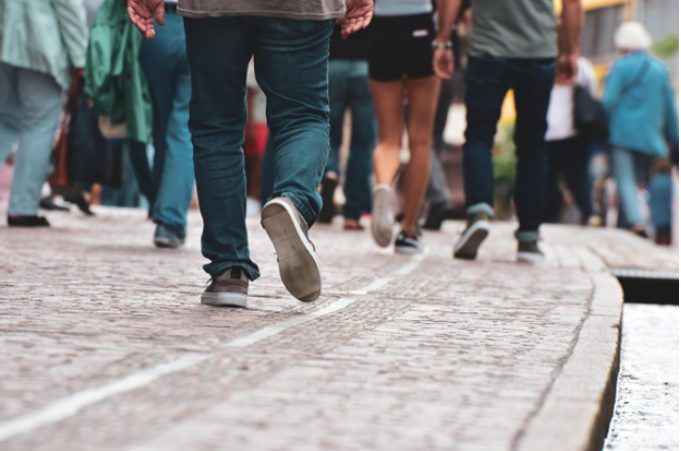
Walking used to be the safest way to get from one place to another. You didn’t think much about it; you just opened the door and set off. You go to school, the store, or maybe the park. But in Madison County and across Alabama, walking has taken on new risks. There are more accidents, more injuries, and more stories that start with a short walk and end at the hospital. It’s unfolding on our streets, in our neighborhoods, and sometimes right in front of us.
Why Pedestrian Accidents Are Becoming More Common
It’s hard to pin it on just one thing. The roads in Alabama weren’t built for pedestrians, as there are entire stretches of highway and county roads without sidewalks. Crosswalks are few and far between. In some neighborhoods, you’ll find paths that disappear halfway through a block, forcing people into the street.
Then there’s the growth. Madison County has expanded quickly, and traffic has grown with it. Unfortunately, pedestrian safety hasn’t kept up. A crosswalk may be miles from where it’s needed. Lighting may be poor in exactly the place where people are most likely to walk at night. Meanwhile, more cars, more distractions, and more people in a hurry only increase the odds of a bad outcome.
Drivers play a role. Phones, loud music, or running late can cause a lot to go wrong in a few seconds. A driver looks down, and when they look up, a person is already in the road. And even when they’re paying attention, high speeds can be dangerous.
Pedestrians aren’t perfect and can make mistakes, too. Some take risks, like crossing outside marked zones or walking in low light in dark clothing. But when someone on foot and someone in a car meet at the wrong moment, the pedestrian always suffers more.
Where It’s Happening in Madison County
This isn’t just a downtown Huntsville problem. Accidents are happening in suburban neighborhoods, near schools, shopping centers, even in what many think of as quiet parts of town. A teenager walking along a road with no shoulder. A mom pushing a stroller across a four-lane street. A jogger stepping into a faded crosswalk after dark. These are regular people, doing everyday things.
Certain roads see more problems than others. Some intersections have poor visibility, while others have confusing traffic flow that makes it hard to tell when it’s safe to cross. Lighting is a recurring issue — too many areas go dark at dusk, just as foot traffic peaks. It doesn’t take much: one missed turn signal or one split-second misjudgment, and lives change.
Many people already avoid certain routes because they don’t feel safe. Children are driven instead of walking short distances. Parents time errands to avoid dusk. That’s not how a walk around the block should feel.
The Aftermath No One Plans For
When someone is hit by a car, the impact goes far beyond broken bones. There’s the trauma, the fear, the hospital bills, the time off work, and a shift in how people move through their day. Recovery isn’t just physical — it’s emotional, financial, even social.
Law firms that deal with injury cases, such as Hipskind & McAninch, have seen these stories up close. A person goes for a walk, expecting nothing unusual, and ends up dealing with months of physical therapy or a permanent disability. Some don’t make it through, while others carry the scars long after their wounds have healed.
It’s not only about fault. Even when everything is technically legal, such as a pedestrian had the right of way or the driver wasn’t speeding, the outcome can still be devastating. And unfortunately, not every intersection has the kind of design or signaling that could prevent these crashes before they happen.
What Victims Can Do
The big fixes will take time; however, there are small decisions that can help in the meantime. Those walking should stay visible. Choose the side of the road with more light. Cross at intersections when possible, even if it means going a little out of the way. Try to make eye contact with drivers before stepping out.
For drivers, slowing down a little can make a huge difference in preventing accidents. Look twice before making a turn and keep distractions out of reach. Recognizing that a pedestrian might be hard to see at dusk, even with headlights on, takes effort, but not much more than a moment’s attention.
And communities can speak up. Parents can ask for crossing guards at schools. Neighborhood groups can push for new signage, sidewalks, or lighting. Local leaders listen more when they hear from people directly affected. It doesn’t take a crowd; sometimes, one concerned voice at the right meeting is enough to start a change.
A Safer Path Forward
The rise in pedestrian accidents is real, and so is the fear that follows. In places like Madison County, where growth has come fast and road planning hasn’t always kept pace, the challenge is obvious — but it’s not impossible.
Walking shouldn’t feel like a risk. It shouldn’t take courage to cross the street, and it shouldn’t be normal to hear that someone in the community didn’t make it home because of one missed step or one distracted moment.
There’s something worth protecting in the simple act of walking. It connects us to our neighborhoods, to our environment, and to each other. It’s important, but it can also be dangerous.
Everyone has a role to play to make pedestrians safer. We all cross streets, and we all drive. The line between a pedestrian and a driver is thin. The moment we forget that, accidents happen. The moment we remember it, things start to shift. Madison County can be a place where walking is safe again. Not just in daylight, not just in certain neighborhoods, but everywhere. It starts with attention, and it grows with advocacy.


