



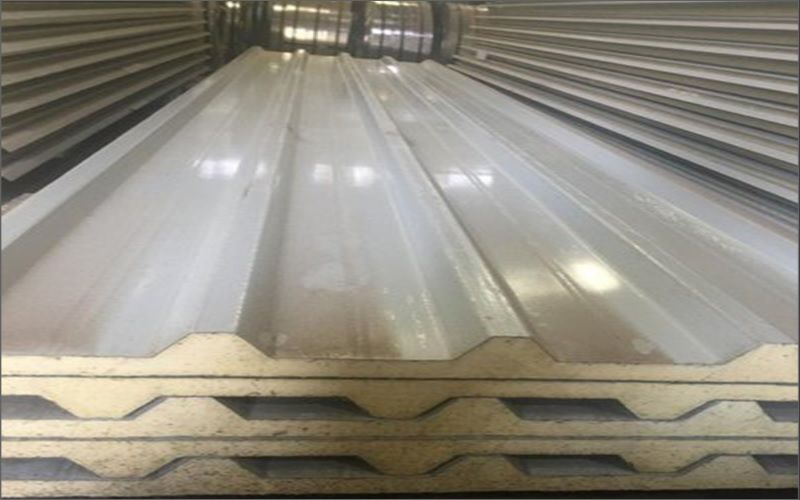
The role of insulated wall panels in the construction of commercial buildings is very important because they are flexible, effective and good for the environment. These panels usually have a strong foam center enclosed between two layers made from sturdy materials like metal, concrete or composite substances. This design not only provides thermal insulation but also improves structural strength and beauty in many different uses for commercial buildings.
Enhanced Thermal Efficiency
Insulated wall panels have excellent thermal insulation. The foam core in the panels stops heat from moving, so they’re good at reducing energy needed for heating and cooling commercial areas. This efficiency in stopping heat transfer helps to keep inside temperatures stable, making people using the building more comfortable while also cutting down costs linked with running HVAC systems. In places where the weather has very high or low temperatures, wall panels that are insulated help a lot in keeping an even interior environment and using energy effectively all year.
Sound Insulation and Acoustic Performance
Apart from providing thermal advantages, insulated wall panels also enhance sound performance in business structures. The solid core material helps to absorb noise transmission, decreasing sounds from outside sources and improving the solitude within rooms or offices. This kind of acoustic insulation is especially useful in office settings, hotels and health care centres where reducing noise disturbances is crucial for work efficiency, patient treatment or guest ease. Also, when you use insulated panels that have been improved to be better at acoustics by adding holes or textures on them, the ability to absorb sound gets even stronger.
Rapid Installation and Construction Efficiency
Those who use insulated wall panels appreciate the fact that they are prepared in advance, or prefabricated off-site. This method permits quicker installation compared to typical building processes. The preparation prior to transport diminishes construction time and expenses for labor, quickens project schedules, and lessens disturbances to established business activities. Moreover, because these panels are lightweight it makes handling and transporting them on-site easier which is beneficial when working on renovation projects or additions where speed and efficiency are very important factors. Furthermore, the adaptable building layouts and potential alterations are easier due to the modular structure of insulated panels. This promotes flexible use and environmental-friendly methods in constructing buildings.
Durability and Longevity
Commercial buildings need strong construction materials that can withstand outdoor elements and stay in good shape for a long period of time. Insulated wall panels have built-in durability and toughness against moisture, rusting, and impact damage. The tough outside surfaces protect buildings from weathering effects like sunlight’s UV radiation or harsh weather conditions – this guarantees ongoing performance without needing much maintenance work on the building’s exterior parts. This robustness makes sure that commercial properties last longer and need less frequent repairs or replacements. This improves their overall lifecycle costs.
Design Flexibility and Aesthetic Appeal
Another important advantage of insulated wall panels is their design flexibility. This gives a wide variety of customization options to architects and designers. The panels come in many colors, textures, and finishes that match different architectural styles as well as brand identities. Whether it’s about making a smooth modern front for an office building or adding decorative panels into retail spaces, the visual flexibility provided by these insulation boards helps improve outer appearance on streets and promotes recognition among brands (Insulated Wall Panels: Benefits). Also, panels can be combined with other building systems such as lights, signs or ventilation to increase their usefulness and visual attractiveness.
Environmental Sustainability
For companies that value ecological balance, insulated wall panels match well with the trend towards sustainability and green building policies like LEED (Leadership in Energy and Environmental Design). The energy-saving qualities of these panels aid in lessening the release of greenhouse gases and reducing carbon footprints from commercial constructions. By managing energy use effectively to boost building performance, insulated panels back up efforts for environmental responsibility while fulfilling legal demands related to meeting set levels of energy efficiency. This method of sustainable construction is appealing to occupants, investors, and consumers who are looking for environmentally-friendly business methods. Insulated wall panels, often referred to as imp walls, provide superior thermal insulation, enhance acoustic performance, and offer rapid installation benefits, making them ideal for efficient and sustainable commercial construction projects.
For commercial construction, insulated wall panels are an innovation that brings unique advantages in thermal efficiency, acoustic performance, quick installation, strength and flexibility of design as well as environmental friendliness. These features make them a key element for creating future-focused commercial building designs and performance standards. The benefits they offer range from improving indoor comfort to reducing expenses in operations while also aiding creativity in architecture or sustainable development goals. By using these advancements correctly, parties involved with the construction industry have the chance to construct smarter structures which are stronger against natural elements and save energy – all while fulfilling changing requirements from businesses and people who use them.


