



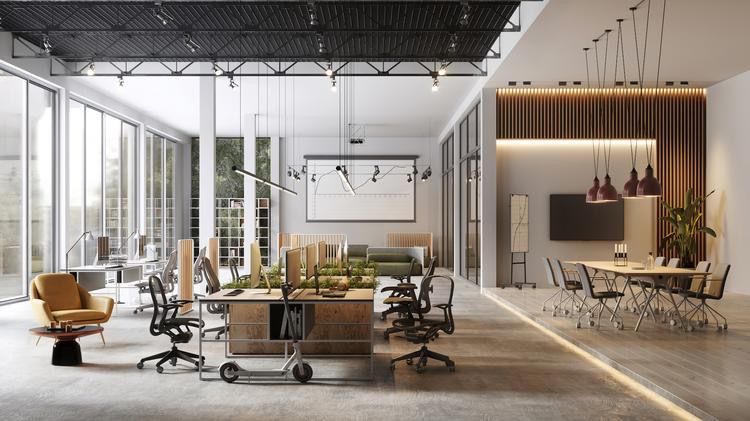
Your workspace is doing more than just holding your laptop and coffee cup. It’s either amplifying your productivity and creativity or quietly draining both. As we move deeper into the year, the most successful business leaders are discovering that their physical environment plays a far more critical role in performance than they ever imagined.
The traditional executive office with its imposing desk and stiff leather chair is becoming obsolete. Today’s high-performers are creating dynamic, flexible spaces that adapt to different work modes throughout the day. They’re investing in quality over quantity, choosing pieces that serve multiple purposes and genuinely enhance their daily workflow.
Whether you’re redesigning a corporate office or optimizing your home workspace, the decisions you make about your environment will directly impact everything from your decision-making clarity to your stress levels. This isn’t about keeping up with design trends or creating an Instagram-worthy backdrop for video calls. It’s about building a space that genuinely supports the demanding, multifaceted work you do every day.
Let’s explore the essential elements that separate mediocre workspaces from truly exceptional ones, and how you can transform your office into a genuine competitive advantage.
Understanding Your Work Patterns Before Making Any Changes
Before you buy a single piece of furniture or repaint a wall, you need to understand how you actually work. Most executives make the mistake of designing their ideal office based on aesthetic preferences or what they think they should want, rather than what genuinely serves their daily reality.
Start by tracking your work activities for two full weeks. Note when you’re doing deep, focused work versus collaborative sessions. Pay attention to when you take calls, when you brainstorm, and when you handle administrative tasks. Notice your energy patterns throughout the day. Are you sharpest in the morning or do you hit your stride after lunch?
This audit will reveal patterns you didn’t know existed. You might discover you do your best strategic thinking while moving around rather than sitting at your desk. You might realize you need separate zones for different work modes. Perhaps you find that afternoon slumps hit hardest when you’re in the same position you’ve occupied since morning.
The executives who create the most effective workspaces are those who design around their actual behavior patterns, not idealized versions of how they think they should work. This self-awareness becomes the foundation for every decision that follows.
The Power of Flexible Seating Arrangements
One of the biggest shifts in executive workspace design is the move away from single, permanent seating solutions. Progressive leaders are creating multiple seating zones within their offices, each serving different purposes and work modes.
The concept is simple but powerful: different tasks require different postures and positions. Deep analytical work might call for an upright, supportive chair that keeps you alert and focused. Creative brainstorming sessions might benefit from more relaxed, comfortable seating that encourages a different type of thinking. Phone calls and casual meetings often work better in settings that feel less formal than sitting across a massive desk.
This is where thoughtful furniture selection becomes crucial. Rather than filling your office with bulky, space-consuming pieces, consider versatile options that provide comfort without overwhelming your square footage. Nova Furnishing specializes in single-seater solutions that are perfect for creating these distinct zones. Their pieces work beautifully as reading nooks, informal meeting spots, or alternative workstations that give you the flexibility to shift positions throughout the day without leaving your office.
The key is selecting furniture that’s substantial enough to provide genuine comfort during extended use, but streamlined enough to maintain the clean, professional aesthetic your workspace demands. Look for pieces with quality construction, supportive cushioning, and designs that complement rather than clash with your existing office setup.
Many executives are discovering that having a comfortable single-seater positioned near a window creates the perfect spot for morning strategy sessions with coffee, afternoon reading, or end-of-day reflection. It’s about giving yourself permission to work in ways that actually feel good, not just ways that look productive.
Mastering Lighting for Peak Performance
Lighting might be the most underestimated factor in workspace productivity. Poor lighting doesn’t just strain your eyes; it triggers headaches, depletes energy, and can even affect your mood and decision-making capabilities. Yet most offices treat lighting as an afterthought, relying on whatever overhead fixtures came with the space.
Natural light should be your primary light source whenever possible. Position your main work area to take advantage of daylight without creating screen glare. If you’re fortunate enough to have windows, avoid sitting with them directly behind you or directly in front of you. The ideal setup places windows to your side, providing ambient natural light without creating contrast issues with your screens.
For artificial lighting, think in layers. You need three distinct types: ambient lighting for overall visibility, task lighting for focused work, and accent lighting to reduce eye strain and create visual depth. Overhead lights alone create harsh shadows and fail to adequately illuminate your work surfaces.
Invest in a high-quality desk lamp with adjustable brightness and color temperature. Modern LED options allow you to shift from cool, energizing light during morning hours to warmer, gentler tones in the evening. This subtle shift supports your natural circadian rhythms and can significantly impact how you feel at the end of long workdays.
Consider the placement of light sources carefully. You want to eliminate glare on screens while ensuring adequate illumination for reading documents and writing notes. Backlit monitors, while visually appealing, can cause unnecessary eye strain if they’re your only light source during evening work sessions.
Creating Acoustic Privacy in Open or Shared Spaces
Sound management is critical for executive productivity, yet it’s often completely overlooked until it becomes a problem. If you’re working in a space with other people nearby, inconsistent noise levels can fracture your focus and make deep work nearly impossible.
The solution isn’t necessarily expensive soundproofing, though that helps if you’re doing major renovations. Start with strategic soft furnishings that absorb sound rather than reflecting it. Hard surfaces like glass, wood, and metal bounce sound around. Fabric upholstery, area rugs, curtains, and acoustic panels absorb it.
This is another area where your furniture choices matter beyond aesthetics. Upholstered seating naturally dampens ambient noise. Bookshelves filled with books create sound barriers. Plants, particularly larger varieties, help absorb sound while improving air quality and visual appeal.
For video calls and confidential conversations, consider adding a white noise machine or using apps that generate ambient sound. This creates acoustic privacy by masking conversations without the harsh obtrusiveness of loud music or television.
If you’re frequently interrupted by environmental noise, invest in high-quality noise-canceling headphones. Choose over-ear models with effective active noise cancellation. Keep them readily accessible so you can eliminate distractions the moment you need to enter deep focus mode.
Technology Integration That Actually Works
Your workspace technology should be invisible when it’s working correctly. Cables shouldn’t be visible. Charging should happen automatically. Screens should be positioned at proper heights without awkward stands or stacks of books.
Start with cable management. Use cable trays underneath your desk, cable sleeves to bundle wires, and strategic placement of power strips. Every cable you can see is a small visual distraction that adds to cognitive load over the course of a day.
Monitor placement deserves careful attention. Your primary screen should be at arm’s length away, with the top of the screen at or slightly below eye level. If you use multiple monitors, ensure they’re at the same height and distance to avoid constant head movement and neck strain.
Invest in quality peripherals. A responsive, comfortable keyboard and a precise mouse make a noticeable difference when you’re spending eight to ten hours a day using them. Consider mechanical keyboards if you do extensive writing. They provide better tactile feedback and can reduce typing fatigue.
Don’t forget about charging infrastructure. Wireless charging pads keep your desk clear of cables while ensuring your devices are always ready. USB charging hubs tucked into desk drawers can power multiple devices without cluttering your work surface.
The goal is creating a technology setup that supports your work without demanding your attention. Everything should be positioned ergonomically, function reliably, and stay out of your way until you need it.
The Psychology of Color in Executive Spaces
Color psychology isn’t just marketing fluff. The colors surrounding you genuinely affect your mood, energy levels, and cognitive performance. Understanding these effects allows you to make intentional choices rather than defaulting to whatever paint color seemed safe.
Blue tones promote focus and calm, making them excellent for spaces where you need sustained concentration. They can lower blood pressure and heart rate, creating a physiological environment conducive to thoughtful decision-making. However, too much blue can feel cold or impersonal, so balance is key.
Green represents growth and reduces eye strain, making it ideal for offices where you spend long hours looking at screens. It’s psychologically linked to creativity and renewal. Natural plants bring this benefit while also improving air quality and adding organic visual texture.
Warm neutrals like beige, taupe, and warm gray create professional environments without the stark coldness of pure white or the darkness of traditional wood paneling. They provide a sophisticated backdrop that allows colorful accents to stand out without overwhelming the space.
Avoid aggressive reds in large quantities. While red can stimulate energy and urgency, it can also increase stress and agitation during extended exposure. Use it sparingly as an accent color if at all.
Whatever color palette you choose, ensure adequate contrast between surfaces to reduce eye strain. Your walls, desk surface, and floor should have clear visual differentiation without creating jarring transitions.
Personalizing Without Cluttering
Your office should reflect your personality and values, but there’s a fine line between personalization and clutter. Too many personal items create visual chaos that fragments attention. Too few make the space feel sterile and uninviting.
The key is intentional curation. Display items that genuinely matter to you or serve a functional purpose. Family photos can provide emotional grounding during stressful days. Awards and achievements offer quick motivation reminders. Books you actually reference should be accessible.
Everything else should have a designated home out of sight. Closed storage keeps supplies available without creating visual distraction. Desk organizers prevent the gradual accumulation of pens, paperclips, and random items that slowly take over your work surface.
Consider the psychological impact of what you display. If you keep visible reminders of stressful projects or challenging situations, you’re inviting that stress into every moment you’re in the office. Choose carefully what deserves space in your visual field throughout the workday.
Plants deserve special mention because they offer multiple benefits with minimal downsides. They improve air quality, add organic visual interest, and provide proven psychological benefits. Choose low-maintenance varieties if you’re not naturally inclined toward plant care. Even hardy options like pothos or snake plants make a noticeable difference in how a space feels.
Investing in Air Quality and Climate Control
You probably don’t think much about the air you’re breathing until it becomes a problem, but air quality directly impacts cognitive function, energy levels, and even mood. Poor ventilation leads to increased CO2 levels, which cause drowsiness, headaches, and reduced mental clarity.
If you have control over your climate systems, maintain temperatures between 68-72°F (20-22°C) for optimal cognitive performance. Too cold and you’re distracted by discomfort. Too warm and you’re fighting to stay alert. Individual preferences vary, so adjust within this range to find your personal sweet spot.
Consider adding an air purifier, particularly if you’re in a urban environment or have allergies. Modern HEPA filters remove particulates, allergens, and many airborne irritants without creating noticeable noise. Position them to circulate air throughout the room rather than blowing directly on your work area.
Humidity matters more than most people realize. Dry air causes discomfort, increases static electricity, and can affect respiratory health. Aim for 40-60% relative humidity. A small humidifier can make a dramatic difference in how comfortable you feel during extended work sessions, particularly in winter months when heating systems dry out indoor air.
Building in Movement Opportunities
Sitting for extended periods isn’t just uncomfortable; it’s genuinely harmful to your health. The most productivity-focused executives are those who build regular movement into their workday, not as breaks from work but as integral parts of their workflow.
A height-adjustable desk allows you to alternate between sitting and standing throughout the day. The key is actually using it, not just having it available. Many people get standing desks and then never adjust them after the initial setup. Set reminders to shift positions every 60-90 minutes until it becomes habit.
Create reasons to move within your office. Position your printer or supplies in a location that requires you to stand and walk a few steps. Keep water in a location that necessitates movement to refill. These small adjustments add up to significant increases in daily movement without requiring dedicated exercise sessions.
Some executives are incorporating walking pads (slow treadmills designed for walking while working) for phone calls or reading tasks. Others use balance boards or anti-fatigue mats to encourage subtle movement while standing. The goal isn’t intense exercise but rather avoiding the complete stillness that characterizes traditional desk work.
Consider ending your workday with a brief movement routine in your office. Five minutes of stretching can prevent the stiffness and tension that accumulate during focused work sessions. It also creates a psychological transition between work mode and personal time, which is increasingly important as boundaries blur.
The Return on Investment
Creating an exceptional workspace requires both financial investment and thoughtful planning. It’s tempting to cut corners or make do with “good enough” furniture and equipment. But consider the math: if you spend 2,000+ hours per year in your office, even modest improvements in comfort, focus, and energy multiply into substantial gains.
A workspace that reduces physical discomfort means fewer distracted moments and less fatigue at day’s end. Better lighting prevents the headaches that derail afternoon productivity. Quality seating supports the sustained focus that complex decisions demand. These aren’t luxuries. They’re fundamental tools of executive performance.
Start with the changes that will make the biggest impact on your specific pain points. If you struggle with afternoon energy crashes, address lighting and seating position. If you’re constantly distracted, tackle acoustic privacy and visual clutter. If you experience physical discomfort, invest in ergonomic solutions and movement opportunities.
The workspace that serves you best is one designed around your actual needs, work patterns, and preferences. It doesn’t need to look like anyone else’s office or follow current design trends. It needs to make your work easier, more comfortable, and more effective. Everything else is just decoration.
Your office is your command center, your thinking space, your daily environment for making decisions that impact your entire organization. Treat it with the strategic importance it deserves, and you’ll see the returns in your performance, well-being, and sustained effectiveness over the long term.


