





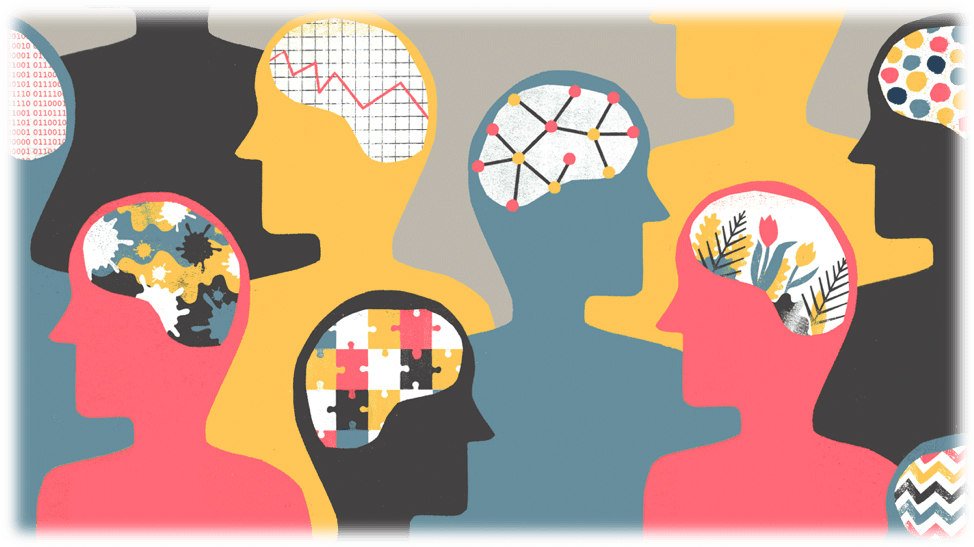
There has been a major shift in attitudes of society towards mental healthcare over the past few years. Mental health issues, which were once stigmatized, are now being seen as legitimate health concerns that require attention, care, and treatment. Mental health therapy has been embraced and utilized more as a key component of holistic wellbeing. In this piece, we’ll explore the multifaceted landscape surrounding mental health therapy. Examining its various modalities and methods, along with its importance in fostering overall mental wellness, will be the focus.
Understanding Mental Health Therapy
Mental health treatment is an umbrella term that covers a variety of interventions with the goal of addressing psychological distress. To satisfy the requirements of people with mental health difficulties, the discipline provides a varied spectrum of methods, from conventional talk therapy to state-of-the-art neurofeedback.
The Role of Therapists
The role of trained mental health Manhattan professionals such as counsellors or therapists is essential to the effectiveness and efficiency of the therapy. These professionals possess special training and experience in various therapeutic modalities, allowing for tailored interventions and assistance to clients dealing with mental health issues. The therapists provide their clients with a compassionate environment in which they may explore their emotions, ideas, and experiences without fear of rejection or reprisal.
Mental Health Therapy
The spectrum of mental health treatment is marked by an array of modalities. Each modality offers a distinct approach to addressing psychological concerns. Some of the most common modalities:
- CBT: CBT involves identifying and challenging negative behaviours and thought patterns. By promoting behavioural and cognitive modification, CBT assists individuals in developing healthier coping methods and overcoming maladaptive patterns.
- Psychodynamics Therapy: Based on psychoanalytical concepts, psychodynamics therapy explores emotions and the unconscious mind. Psychodynamic therapists assist clients in gaining insight into unresolved emotional wounds through techniques like free associations and dream analysis.
- Humanistic Approaches: Humanistic approaches, such as Person-Centered Therapy, prioritize the individual’s subjective feelings and innate potential for growth and personal development. Humanistic Therapists are known for empathic approaches, unconditional love, and authenticity. These therapists create an environment of nurturing therapy that promotes personal development and exploration.
- Mindfulness based therapies: Mindfulness based practices, such mindfulness based anxiety reduction (MBSR), or mindfulness based cognitive therapeutics (MBCT), are integrated into therapeutic interventions. These therapies encourage present-moment awareness. This helps people reduce stress and rumination. It also enhances overall wellbeing.
- Therapy for Families: This type of therapy focuses on improving communication and resolving family conflicts. By exploring and addressing the dynamics of family relationships, therapists assist clients in creating a supportive and healthier environment for mental health.
- EMDR – Eye Movement Desensitization Reprocessing: Trauma problems are the focus of EMDR therapy. EMDR facilitates the processing of traumatic memories by using bilateral stimulation, often achieved via eye movements.
The Importance and Cultural Competence
In an increasingly multicultural society, cultural proficiency is crucial to effective mental health care. For therapeutic relationships to be successful, it is vital that clients feel respected and honored for their cultural beliefs, backgrounds and values. Culturally proficient therapists work to create inclusive, affirming environments where clients feel respected, heard, and empowered.
Challenges
Mental health therapy has many benefits, but it also comes with its own challenges. Accessibility and affordability continue to be significant barriers, particularly for those living in underserved communities with limited access. In addition, stigmas and misconceptions regarding therapy can deter people from seeking the support that they need. They perpetuate cycles of suffering by remaining silent.
Conclusion
Mental health therapy, in conclusion, is a cornerstone of holistic well-being. Individuals can find the support, guidance and tools necessary to navigate the challenges of life with grace and resilience. The field continues to grow and evolve as it moves from traditional talk therapy towards innovative modalities informed by cutting-edge studies. This is all fueled by a common commitment to promote empowerment, healing, and growth. As we all work to cultivate an awareness of mental illness and support it, the role that therapy plays in nurturing mental wellbeing is more important than ever.


