



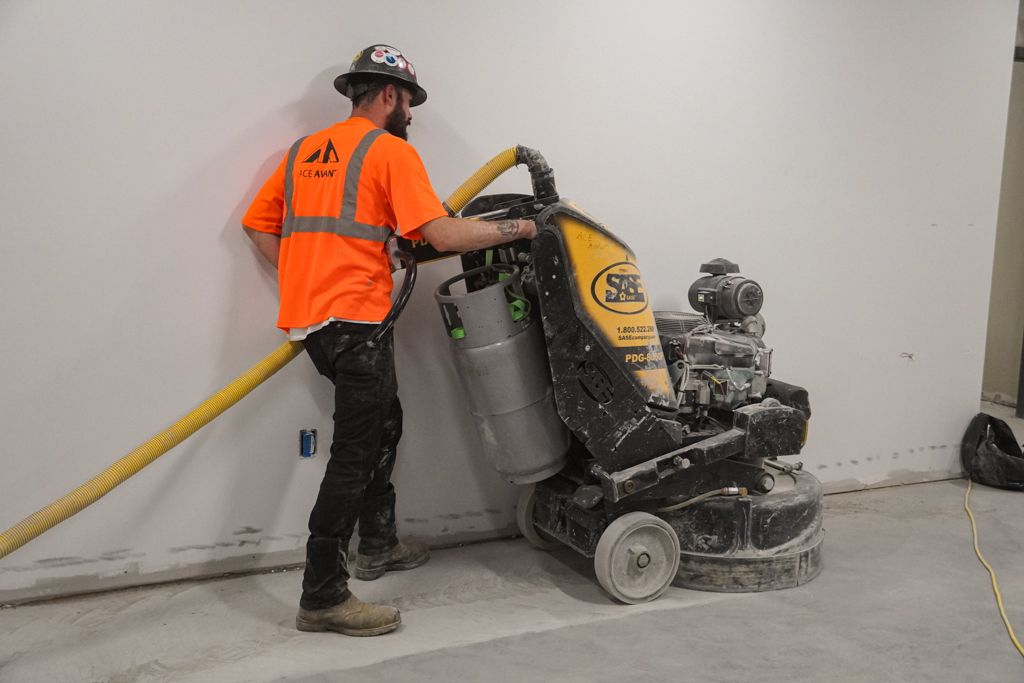
Concrete polishing has become increasingly popular for both business and domestic properties. This type of flooring gives an elegant, hard-wearing finish and is easy to maintain. Property owners often inquire about the costs — and the return on investment — associated with this service. Knowing what expenses and benefits to expect and how much they will return helps decision-makers understand whether this choice aligns with their objectives.
Initial Investment in Concrete Polishing
Several factors affect the price of concrete polishing. The area size, current floor condition, and selected style all factor into the cost. Costs may be lower per square foot for larger spaces and higher per square foot for smaller projects. A significant portion of the expenses is attributed to the preparation of the floor, particularly if it requires additional work such as levelling or repairs before the actual polishing work commences. The choice of matte or high-gloss finish can also influence prices. When planning a renovation, consider comparing different options for concrete polishing in Chicago to match your design goals.
How Concrete Polishing Stacks Up Against Other Flooring Options
When considering flooring, polished concrete is primarily in competition with tiles, carpets, or hardwood. Conventional material may have a lower first installation cost. Yet, these other options can necessitate higher replacement or maintenance expenses, extending their lifetime cost. Polished concrete is more durable and requires less upkeep, so it doesn’t need to be repaired or replaced as often. This durability can save you a significant amount of money in the long run compared to alternatives.
Maintenance and Upkeep Savings
They can be easily cleaned with a sweeper and a tine mop. Usually, you do not need harsh chemicals or special products. The result means less work and less product expense for property owners. Polished concrete is different; it does not require the frequent renewing of waxed or coated surfaces. Together, these factors reduce annual maintenance expenses, making polished concrete an economical option for cost-conscious owners.
Energy Efficiency and Lighting Benefits
Mirrored polished floors help flood a space with natural or artificial light. With increased brightness, you may not need as many lights with higher wattage bulbs. Reduced energy use for lighting facilitates continuous operating expense savings, especially in a business or large residential unit. Better lighting also creates a more welcoming setting, which can enhance productivity and mood in homes and offices.
Durability and Longevity
Polished concrete provides a rigid surface that is scratch-, stain-, and impact-resistant. It can withstand constant foot traffic and heavy equipment, unlike softer flooring materials. This durability results in fewer repairs and replacements over the years. The longer the flooring lasts, the better it is for your pockets in the long term! Such longevity keeps costs down, allowing homeowners to avoid the ongoing expenses that can accumulate with worn or outdated flooring materials.
Increased Property Value
Concrete floors can improve a building’s aesthetic. The more modern, cleaner look is often very appealing to potential buyers or tenants. A clean, shiny floor gives the feel of a cared-for property. This perception can provide owners with an indirect, yet significant financial return via increased resale or rental value. Quality flooring can also reduce the time a property is on the market.
Health and Safety Advantages
Unlike carpets or porous materials, smooth, polished concrete does not trap dust, pollen, or other allergens. For building occupants who suffer from allergies or respiratory-related issues, the benefit of improved air quality is particularly significant. This minimizes the chances of accidents occurring, creating a safer environment. Reduced injuries or liability claims can save money and promote peace of mind for business or property owners.
Environmental Impact and Sustainability
Concrete polishing is a sustainable building practice. In contrast to floor coverings, which are subject to regular replacement, polished surfaces utilize existing materials to result in less waste. Minimizes the use of harsh cleaning chemicals, thus promoting eco-friendly operations. Fewer replacements or repairs also help save resources in the long run by preserving and extending the life of the floors. Sustainable options can attract eco-friendly buyers or renters, thereby increasing the property’s marketability.
Conclusion
There are many economic and practical benefits of professional concrete polishing. Although the initial investment may seem significant, the long-term benefits typically far outweigh the cost. Property owners can reduce maintenance needs while boosting energy efficiency and increasing property values. For the healthy environment of the dwellers, clean, safe, and durable floors are essential. A careful analysis of individual requirements and circumstances ensures that polished concrete will yield the most benefit and truly restore its appearance.


