



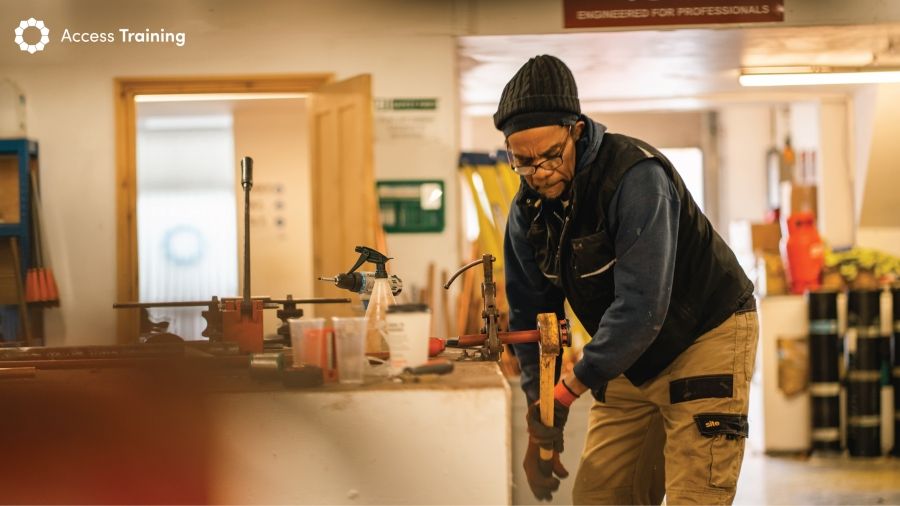
Professional plumbers know the importance of having the right tools and resources at their disposal. Staying up-to-date with the latest technology, trends, and regulations is crucial for success in this competitive field. Whether you’re a seasoned pro or just starting in the trade, having a well-curated list of resources can save time and improve job performance. Keep reading as we explore the essential resources every professional plumber should have in their toolkit.
Essential Tools Every Professional Plumber Should Have
The foundation of a plumber’s work relies on a robust set of tools. Pipe wrenches, for example, are indispensable for gripping and turning pipes, while a good set of pipe cutters ensures clean cuts without the need for deburring. Adjustability and durability are key features when selecting these hand tools, as they often come across different pipe sizes and tough materials.
Alongside hand tools, power tools such as electric drain snakes and hole saw kits facilitate quicker job completion. A dependable flashlight or headlamp is also a necessity for illuminating dark spaces under sinks and behind walls. The professional should keep these tools well-maintained, as a well-organized toolbox reflects the quality of the craftsman’s work.
Further into specialty tools, inspection cameras can save time in diagnosing issues without invasive methods. For updated bathroom installations, knowledge about the best bidets and how to install them is becoming more relevant as customer preferences evolve. The inclusion of contemporary installations can set a plumber apart from the competition.
Cutting-Edge Plumbing Technology and Software for Modern Professionals
Today’s plumbing professionals can benefit significantly from embracing cutting-edge technology and software solutions. One area of advancement is in network management software, which can streamline the monitoring and diagnostics of complex plumbing systems. Sophisticated sensors and automated systems allow for real-time data collection and alerts.
Computer-aided design (CAD) software has also revolutionized the way plumbers plan and execute their work. These powerful tools allow for precise mapping of pipe networks, leading to more efficient installations and less waste of materials. The integration of building information modeling (BIM) with plumbing projects further facilitates collaborative work between different teams and specialists.
Software solutions for job scheduling, customer management, and invoicing are also vital for modern plumbing professionals. These tools help to organize appointments, manage customer details, and process payments more efficiently, giving plumbers the freedom to focus more on the technical aspects of their work.
Advanced Plumbing Courses and Certification Programs Online
Continuous education is the key to staying competitive in the plumbing industry. Advanced plumbing courses and certification programs offer professionals the opportunity to learn new techniques, understand emerging trends, and gain specialty knowledge. Many of these programs are available online, making them accessible to busy working professionals.
Online learning platforms and vocational schools offer a range of courses from basic plumbing skills to advanced system design and green plumbing solutions. Certification programs not only bolster expertise but also provide credentials that customers trust. Specializations, such as in solar hot water installation or greywater systems, can also open up new market opportunities.
Furthermore, participating in online forums and webinars enables plumbers to engage with innovations in the field and connect with experts worldwide. This global perspective can be invaluable in bringing state-of-the-art practices back to local projects, enhancing both service quality and business potential.
Trade Shows and Networking Events for Industry Connections and Growth
Trade shows and networking events play a critical role in professional growth and development. These gatherings offer a platform for plumbers to discover new products, learn industry best practices, and meet fellow professionals. Major trade events often feature workshops, live demonstrations, and keynote presentations by industry leaders.
Attending these events also provides insight into emerging trends and customer preferences, which can inform future business strategies. Participating in roundtable discussions and panel talks is an excellent way for plumbers to share their experiences and learn from peers, fostering a sense of community in the industry.
Furthermore, certification courses and continuing education credits are often offered at these events, allowing plumbers to advance their qualifications while networking. It’s a symbiotic environment where learning meets interaction, and potential business alliances are forged.
Altogether, building a successful plumbing career involves much more than technical skills alone. It requires dedication to ongoing education, awareness of the latest technological advancements, and active participation in the professional community. Overall, access to a broad range of resources equips plumbers to offer superior service, comply with regulations, and stay competitive in a rapidly evolving industry.


