



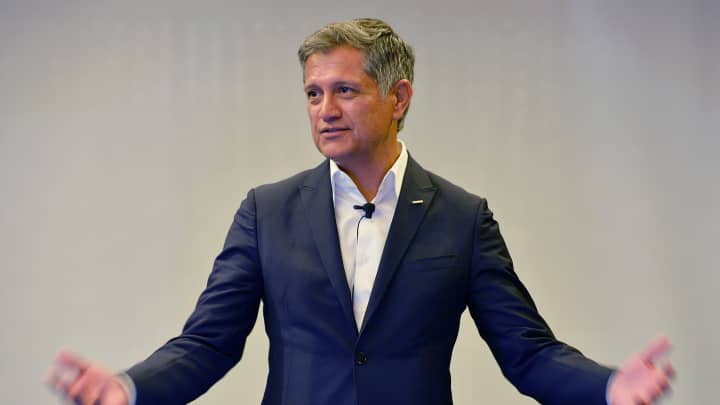
For years, expert health coaching was mostly available in gyms, clinics, or specialized programs. That meant access often depended on geography, income, or time, factors that kept many people from receiving personalized guidance. Joe Kiani, Masimo and Willow Laboratories founder, has consistently stressed that conscious health must be woven into everyday life, not reserved for those with exclusive access. His latest project, Nutu™, is an intuitive health app, born from the idea that healthcare should reside in the homes, habits, and hands of individuals, bringing prevention closer to daily routines.
Behavior changes rarely happen in isolation. People may know what they need to do, like exercise more, eat better, reduce stress, but sustaining those habits is difficult without accountability or encouragement. Remote coaching creates consistent access to guidance, making prevention less about occasional visits and more about a continuous partnership.
The Value of Coaching in Prevention
Health coaching has always been about helping people bridge the gap between knowledge and action. Studies from the American Psychological Association show that accountability is a major driver of successful behavior change. The Centers for Disease Control and Prevention adds that coaching interventions improve adherence to physical activity, nutrition, and stress management routines, which reduces long-term risk of chronic disease.
Unlike information alone, coaching offers personalized encouragement. A coach can identify barriers, celebrate small wins, and adapt strategies to fit a person’s lifestyle. These elements are central to preventive health because they help people maintain habits in real-world conditions.
From Clinics to Living Rooms
Digital platforms have expanded the reach of coaching by making it available anywhere with an internet connection. What once required in-person visits can now happen through video calls, text check-ins, or app-based progress tracking. This shift allows experts to support individuals in rural communities, busy cities, or even internationally.
Harvard Health Publishing notes that remote coaching increases participation in preventive programs, especially for people who previously lacked access due to distance or cost. By removing barriers, virtual coaching makes expert guidance a practical option for many more people.
Technology as a Bridge
Remote coaching is enhanced by technology that connects real-time data with expert feedback. Wearables and health apps now allow coaches to monitor sleep, activity, hydration, and stress, creating a fuller picture of daily habits. Instead of waiting for scheduled sessions, coaches can quickly respond to trends and offer timely advice.
Stanford Medicine researchers found that digital coaching integrated with wearable data significantly improved adherence to exercise and nutrition goals. Johns Hopkins adds that combining telehealth with remote coaching reduces missed opportunities for early prevention and improves patient satisfaction. These insights show that technology can extend the reach of prevention without losing its delicate touch.
Empathetic Coaching
Data by itself can feel overwhelming, which is why empathetic tools are critical in turning numbers into action. Nutu reflects this principle by simplifying daily choices into a supportive score, making it easier to frame conversations around sustainable change. Instead of raw data points, it provides a clear guide that supports meaningful conversation and guidance.
Joe Kiani, Masimo founder, explains, “What’s unique about Nutu is that it’s meant to create small changes that will lead to sustainable, lifelong positive results.” This perspective underscores that coaching succeeds when it encourages manageable changes rather than demanding perfection. By focusing on manageable improvements, digital tools and coaches together create an environment where prevention feels supportive rather than overwhelming.
Accessibility and Equity
One of the greatest strengths of remote coaching is its potential to close gaps in healthcare access. Rural populations, low-income families, and individuals with mobility challenges often face barriers to in-person programs. Virtual coaching reduces costs, eliminates travel, and adapts to varied schedules.
The World Health Organization identifies digital health platforms as essential in reducing disparities in preventive care. Pew Research also shows that smartphone access is steadily rising, making mobile-based coaching more feasible even in underserved communities. When combined with culturally sensitive coaching approaches, remote platforms expand prevention to populations often excluded from traditional systems.
Challenges and Considerations
Despite its benefits, remote coaching faces challenges. The digital divide remains real, as some populations still lack reliable internet or devices. Equity in digital health requires addressing these barriers alongside expanding services. Ensuring affordable access and improving digital literacy will be essential for remote coaching to achieve its full potential.
Privacy is another concern. Coaches often access sensitive health data through apps and wearables, making secure data handling critical. Cleveland Clinic emphasizes that strong safeguards and clear communication about data use are essential to building trust in digital health programs. Without trust, even the best-designed tools may fail to reach their potential. Building systems that prioritize transparency can help foster confidence and long-term engagement.
Applications Across the Lifespan
Remote coaching can be tailored to all ages. For children and teens, coaches can provide guidance on nutrition, sleep, and activity, often with parental involvement. For adults, coaching helps balance stress, fitness, and chronic disease prevention alongside career and family responsibilities.
Older adults benefit from coaching that provides medication reminders, encourages movement, and supports independence. Mayo Clinic research shows that lifestyle coaching programs improve quality of life and reduce hospitalizations in seniors. This adaptability across the lifespan demonstrates the broad potential of remote coaching to improve health outcomes. As Joe Kiani, Masimo founder, puts it, “So much of our efforts go to the last two years of our life, which is probably not even fun anymore. Why not start early? Why not try to prevent the problem?”
Coaching Without Boundaries
Remote health coaching is reshaping how people access preventive care. By bringing expert support directly into homes, it transforms coaching from an exclusive service into a widely accessible tool. The combination of technology, empathy, and behavioral science allows coaching to thrive in a digital format without losing its personal value. This shift represents a critical step toward health systems that prioritize prevention just as much as treatment.
When supported by platforms, remote coaching extends beyond simple accountability to offer encouragement that feels relevant to everyday life. Prevention is most effective when it is steady, tailored, and within reach, and remote coaching embodies all three qualities. It ensures that expert guidance supports healthier decisions not only in clinics but also in the familiar spaces where daily life unfolds. In doing so, coaching becomes a consistent companion that helps people turn everyday decisions into steady, long-term resilience.


