



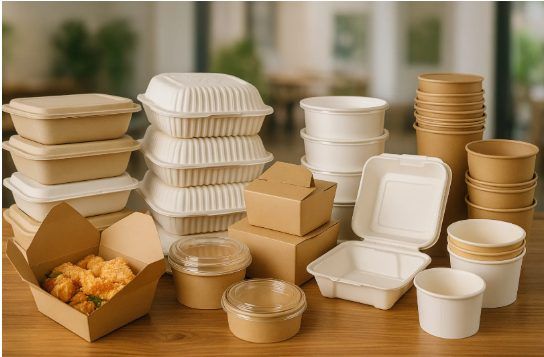
The global food delivery market is expanding at an unprecedented rate. This growth has intensified the problem of single-use plastic and Styrofoam waste. Restaurants and cloud kitchens must adapt quickly to meet new sustainability mandates. For B2B buyers, choosing the right packaging supplier is now a strategic necessity. Explore the full range of sustainable products offered by leading manufacturers https://www.anchenggy.com/.
The solution lies in specialized, certified packaging. Compostable takeout boxes ensure food quality while meeting strict environmental standards. Transitioning to these eco-friendly solutions is essential for minimizing ecological impact and securing a competitive advantage in an industry under intense scrutiny. High-performance compostable food trays meet both commercial and environmental requirements, making them a critical component of modern food service operations.
The Operational Demand for Better Takeaway Packaging
Addressing Industry Pain Points
Traditional plastic and Styrofoam boxes present multiple operational challenges. They often fail to maintain food temperature during transit, leading to cold meals and dissatisfied customers. Weak materials can cause spills, leaks, and delivery damage, increasing costs through refunds and waste.
Regulatory Compliance and Brand Trust
Regulations are steadily phasing out non-compostable food service items. Buyers in North America and Europe face increasing legislative pressure. Compliance with standards such as ASTM D6868 is mandatory for many bioplastic coatings. Choosing certified compostable boxes prevents penalties and legal issues while building trust with environmentally conscious consumers. It reinforces a brand’s commitment to responsible sourcing.
Engineering the Compostable Takeaway Box
The Power of Plant-Based Materials
The best takeout box are made from renewable, plant-based fibers like sugarcane bagasse, wheat straw, or specific paperboards. These materials outperform standard recycled paper by offering natural resistance to moisture and grease. Sustainable takeaway box designs maximize performance without relying on fossil fuels, ensuring both quality and environmental responsibility.
Smart Design for Food Quality
Effective takeaway packaging requires more than compostable materials. Intelligent design features, such as secure locking tabs, prevent spills during transport. Integrated steam vents release excess moisture while retaining heat, keeping food fresh. Specialized grease-resistant coatings handle oily foods without compromise.
Key Operational Benefits for B2B Buyers
Thermal Retention
Maintaining food temperature is a core function of takeout packaging. Plant-fiber boxes provide excellent insulation, keeping hot meals warm during extended delivery times. Better thermal retention improves customer satisfaction and reduces complaints about food quality.
Stacking Strength and Security
High-volume food operations demand stackable, secure packaging. Reinforced edges and corners allow safe, high-density stacking in delivery bags, preventing crushing and protecting contents. This structural reliability is essential for catering and delivery services.
Grease and Leak Protection
Compostable containers must handle saucy or oily foods without failing. Advanced material treatments create a robust moisture barrier, preventing liquids from seeping through. Leak-proof performance is non-negotiable for professional food delivery operations.
Conclusion
The shift to a compostable takeout box is now a critical business strategy. These solutions address major operational challenges, offering stability, excellent thermal performance, and zero leakage risk. By choosing certified, plant-based packaging and partnering with a trusted manufacturer, businesses secure regulatory compliance while demonstrating genuine environmental leadership.


