



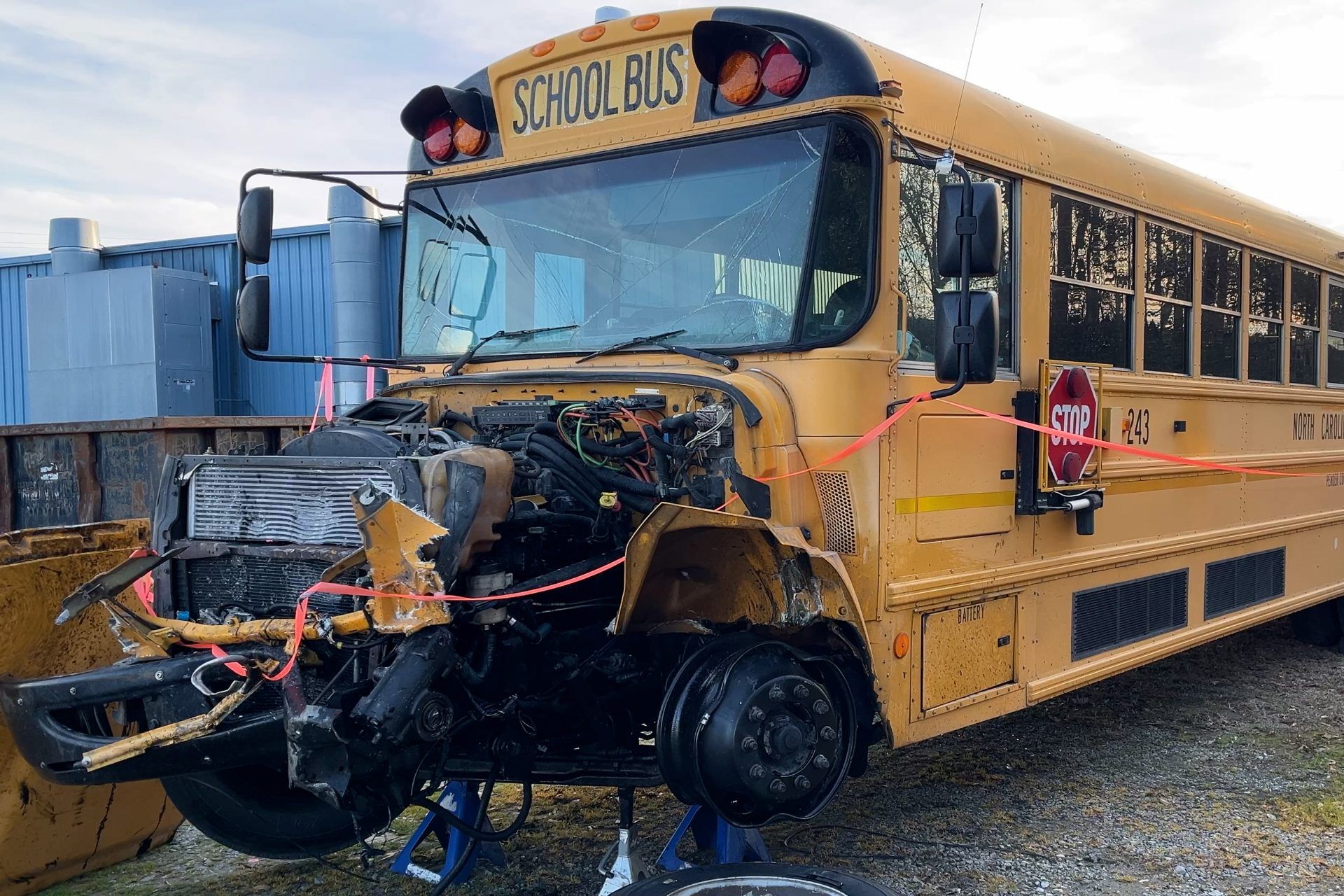
It is the sound every rider dreads: the sudden hiss of air brakes followed by a sickening crunch of metal. In a split second, a routine highway merge turns into a fight for survival because a truck driver failed to check their mirrors effectively. When a massive commercial vehicle collides with a bike it did not even see, the aftermath is chaotic and overwhelming. During these high-stress moments, finding experienced representation for injured motorcyclists is often the only way to ensure that the rider’s voice is heard over the roar of corporate insurance adjusters.
The Immediate Chaos at the Scene
The first few minutes after a truck hits a motorcycle are usually a blur of adrenaline and shock. Because of the massive weight disparity between a multi-ton semi-truck and a five-hundred-pound bike, the motorcyclist almost always bears the brunt of the impact. Unlike a car, a bike offers no roll cage or crumple zones.
If you are conscious, your first priority is moving out of the line of traffic. Truck blind spot accidents often happen on busy interstates where secondary collisions are a major risk. Once you are in a safe spot, call 911 immediately. Even if you feel “fine” or think you just have a bit of road rash, the adrenaline can mask internal bleeding or spinal injuries. Law enforcement will arrive to create an official accident report, which serves as the foundational document for everything that happens next.
Why the Blind Spot is No Excuse
Trucking companies and their insurance providers love to lean on the “No-Zone” argument. They claim that because a motorcycle was in a blind spot, the truck driver couldn’t possibly be at fault. This is a common tactic used to shift blame onto the rider.
The reality is that professional truck drivers have a legal duty to operate their vehicles safely. This includes being aware of their surroundings and using specialized mirrors to monitor gaps in traffic before changing lanes. Modern trucks are often equipped with blind spot sensors and cameras. If a driver moves into a lane occupied by a motorcyclist, it is usually a failure of observation or a result of distracted driving. Proving this requires a deep dive into the truck’s black box data and the driver’s logs.
Dealing with the Insurance Goliath
Within hours of the crash, you will likely receive a call from the trucking company’s insurance adjuster. They might sound friendly, asking how you are feeling or offering a quick settlement to “help with the medical bills.”
Do not be fooled. Their goal is to close the file as cheaply as possible before the full extent of your injuries is known. They know that motorcycle repairs and medical treatments for things like “road rash” (which is actually a serious skin avulsion) or fractured limbs are incredibly expensive. By accepting an early check, you might be signing away your right to claim future damages for physical therapy, lost wages, or chronic pain.
Documenting the Damage
While your lawyer handles the legal heavy lifting, your job is to document your recovery. Keep a folder of every medical bill, every prescription receipt, and every note from a doctor. Take photos of your bike, your gear, and your injuries as they heal.
Motorcycle accidents involve unique damages that people in cars don’t experience. For example, your helmet and protective leathers are expensive safety equipment that should be replaced after any impact. These are “property damage” items that should be included in your claim. Furthermore, the psychological impact of a blind spot collision can be profound. Many riders experience a form of PTSD that makes getting back on two wheels difficult. This emotional distress is a real, compensable loss.
Navigating the Long Road to Recovery
A blind spot accident isn’t just a “fender bender” for a rider. It often involves months of rehabilitation. You might be looking at surgery for a shattered collarbone or skin grafts for severe abrasions. During this time, the bills will pile up while you might be unable to work.
The legal process moves more slowly than most people like, but for good reason. Your legal team needs to wait until you have reached “Maximum Medical Improvement.” This is a fancy way of saying they need to know exactly how much your injuries will affect your life in the long run before they demand a final settlement amount.
Final Word
Getting hit by a truck because a driver was careless is an infuriating experience that leaves you feeling vulnerable. You should not have to spend your recovery time arguing with a billion-dollar insurance corporation about who had the right of way. By securing experienced representation for injured motorcyclists, you put a shield between yourself and the people trying to devalue your claim. It allows you to focus on the physical work of healing while a professional fights to make sure the trucking company is held accountable for the seconds they spent not looking in their mirrors.


