



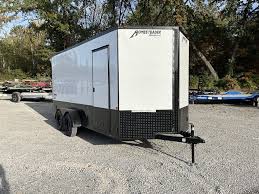
Enclosed cargo trailers provide secure transportation for valuable equipment, tools, and goods. Whether hauling sports memorabilia, furniture, or work gear, selecting the right trailer ensures safety and efficiency. This article explores key aspects to consider when selecting an enclosed cargo trailer.
Trailer Size and Payload Capacity
The first consideration when choosing a new cargo trailer is its size and weight capacity. Hauling sports memorabilia or other delicate items requires adequate interior space and a weight rating that matches the load. Trailers come in various dimensions, typically ranging from 4×6 feet to 8.5×24 feet. Assessing cargo volume and distribution helps prevent overloading, which can compromise safety.
It is also important to consider the height of the trailer. Some cargo requires extra vertical space, especially when loading larger items or stacking boxes. Besides, buyers should consider rear door access—ramp doors are ideal for rolling-in equipment, while barn-style doors provide better sealing against the elements. The type of door can impact convenience, security, and ease of loading.
Frame and Construction Material
The structural integrity of a trailer depends on its frame and materials. Steel and aluminum are common choices, each offering unique benefits. Steel frames provide durability and strength, making them suitable for heavy loads. However, they require rust protection to maintain longevity. On the other hand, aluminum is lightweight and resistant to corrosion, improving fuel efficiency and longevity.
Wall and roof thickness also impact durability. Single-sheet aluminum or composite panels provide enhanced resistance against dents and weather damage. Reinforced flooring with treated wood or composite materials offers better support for transporting heavier loads. A well-constructed trailer with a strong frame and sturdy flooring reduces maintenance costs and extends the lifespan of the unit.
Suspension and Axle Type
A smooth and stable ride depends on the suspension system and axle configuration. Trailers typically come with either leaf spring or torsion suspension. Leaf spring systems are cost-effective and handle heavier loads, making them ideal for commercial use. Torsion axles, in contrast, provide independent wheel movement, resulting in smoother rides and less maintenance.
Axle type is another critical factor. Single-axle trailers work well for lighter loads and short-distance hauls, while tandem-axle designs offer better weight distribution and stability for heavier cargo. Ensuring the right axle system enhances safety and reduces wear on tires and components.
Ventilation and Security Features
Proper airflow prevents moisture buildup, essential for protecting cargo from mold and mildew. Roof vents, side vents, and insulated walls improve air circulation, especially when transporting sensitive items. Lack of ventilation can lead to condensation inside the trailer, potentially damaging stored items over time.
Security features help protect valuable cargo. Lockable doors, reinforced hinges, and heavy-duty latches prevent unauthorized access. Additionally, some models come with alarm systems or GPS tracking for added security. Buyers transporting high-value items should prioritize these protective measures.
Choosing the Right Dealership for an Enclosed Trailer
Before investing in a new enclosed cargo trailer, it can be smart to rent a trailer to get hands-on experience with enclosed cargo trailers of different sizes, configurations, and hauling conditions. Renting allows you to test what trailer works best for your needs — whether that’s moving equipment, transporting gear, or trying out hauling for occasional projects — without committing to a purchase. Platforms like Neighbors Trailer make it easy to find and rent trailers locally so you can make a more confident buying decision.
Selecting the right dealer is just as important as choosing the right trailer. A knowledgeable and reputable dealer can guide buyers through various options, ensuring they find a model that meets their hauling needs. They offer insights on size, material, axle configurations, and custom features that enhance efficiency and safety.
Dealerships provide warranties, financing options, and maintenance services, which help extend the lifespan of a trailer. A trusted dealer ensures customers receive high-quality products with the necessary support for long-term performance. In addition to selling trailers, some dealers also provide routine inspections, replacement parts, and repair services, helping buyers maintain their investment for years to come.
Selecting a new cargo trailer requires careful evaluation of size, materials, suspension, ventilation, and customization options. Transporting sports memorabilia or other delicate cargo demands the right features for protection and durability. By considering these key factors, buyers can ensure they invest in a reliable, secure, and efficient trailer that meets their needs.


