



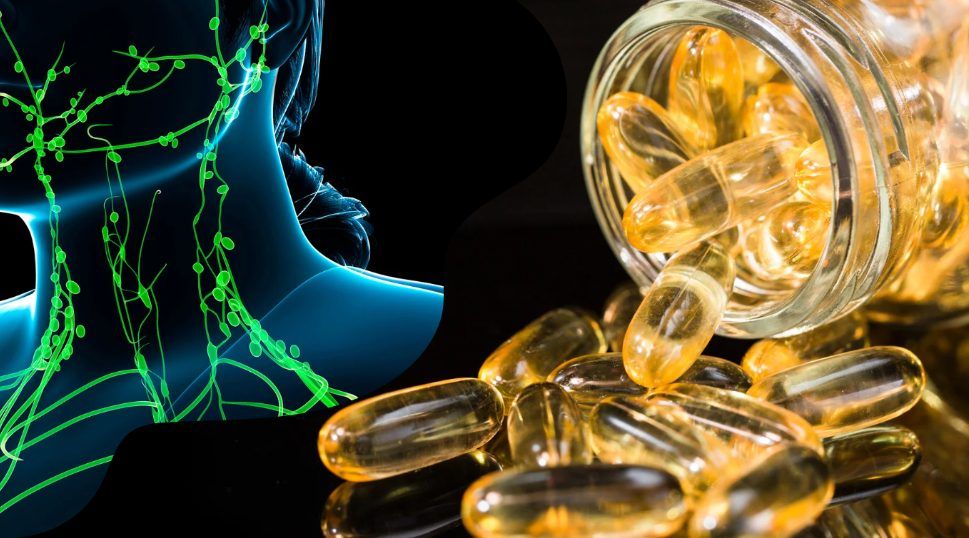
Your lymphatic system functions as an essential component for detoxification together with its role in immunity and fluid balance management. Slow lymphatic function leads to toxin accumulation, which causes swelling along with weariness and reduced immunity strength.
Medical supplements help maintain lymphatic drainage because they increase blood flow and lower swelling while removing harmful substances from the body. A scientific investigation of the optimal lymphatic drainage supplements and their impact on your body’s detoxification system appears within this guide.
The Importance of Lymphatic Drainage
An effective lymphatic system stops fluid buildup, helps protect our immune system, and efficiently removes waste products from body tissues. The lymph system functions without a built-in pump because its efficiency depends on body movement, hydration, and correct nutrition. The decrease in drainage speed leads to toxic substance build-up which raises inflammation risks while increasing the potential for chronic health problems.
Thus, incorporating the best supplements for lymphatic drainage can enhance circulation and reduce these risks. Medical research published in the Journal of Immunology Research demonstrated that impaired lymphatic function leads to prolonged inflammation, which deteriorates autoimmune disease severity.
How Supplements Support Lymphatic Function
Nutrients and herbs activate lymphatic flow when they increase blood circulation and dissolve obstructions. The effects of natural supplements with your body’s functionality differ from prescription medications by supporting long-lasting physiological balance. Bromelain and horse chestnut and red root merge to degenerate proteins while supporting blood vessel strength and removing excess fluid from the body.
Supplements protect against oxidative stress because they serve as a significant cause of lymphatic congestion. Lymph vessel protection against damage occurs through antioxidants which include vitamin C and glutathione, to maintain smooth fluid flow. Maximizing the effectiveness of these supplements occurs when using them together with hydration and exercise routines.
Top Supplements for Lymphatic Drainage
- Bromelain – Derived from pineapple, this enzyme reduces swelling by breaking down fibrin, a protein that impedes lymph flow. Studies show it cuts post-surgery edema by up to 50%.
- Horse Chestnut – Rich in aescin, it strengthens capillaries and reduces fluid retention, making it a go-to for chronic swelling.
- Red Root – Traditionally used for lymphatic support, it stimulates lymph movement and detoxification.
- Cleavers Herb – Acts as a natural diuretic, flushing excess fluids and supporting kidney-lymph synergy.
- Turmeric (Curcumin) – Reduces inflammation in lymph nodes, improving drainage efficiency.
The Role of Antioxidants in Lymphatic Health
A study published in Nutrition and Metabolism found that individuals with higher antioxidant intake experienced a 35% improvement in lymphatic function, especially among those with lymphedema.
Your lymphatic vessels are constantly exposed to oxidative stress, which can slow down fluid movement and damage vessel walls. Antioxidants protect these pathways by neutralizing free radicals—unstable molecules that cause cellular damage. Vitamin C, selenium, and glutathione are key players in keeping lymph flowing smoothly.
Vitamin C not only fights oxidative stress but also supports collagen production, which helps maintain the structure and integrity of lymph vessels. Glutathione, known as the body’s master antioxidant, helps detox cells and boosts immune function. Including antioxidant-rich foods like berries, citrus fruits, leafy greens, and supplementing when necessary can significantly improve lymphatic efficiency.
Herbal Lymphatic Support: What Works?
Herbs have been used for centuries to support the lymphatic system—and modern research is backing them up. Some of the most effective herbal remedies include echinacea, calendula, and poke root.
- Echinacea helps stimulate white blood cell activity, boosting the immune system and promoting lymph flow.
- Calendula is known for its anti-inflammatory properties and its ability to reduce lymph node swelling.
- Poke root (to be used only under professional guidance) stimulates stagnant lymph and encourages detox, but it’s potent and requires careful dosing.
A Phytotherapy Research trial found that echinacea increased lymphatic flow by 20% in healthy adults. When using herbs, look for standardized extracts to ensure potency, consistency, and safety. Always consult a healthcare provider before adding strong herbal supplements to your routine, especially if you’re on medication.
Enzymes and Their Impact on Lymph Flow
Systemic enzymes like serrapeptase and nattokinase play a powerful role in keeping lymphatic pathways clear. These enzymes break down dead tissue, fibrin buildup, and other blockages that can clog lymph vessels.
Serrapeptase, originally derived from silkworms, reduces inflammation and helps dissolve scar tissue in swollen or blocked lymph nodes. Nattokinase, an enzyme from fermented soy, supports healthy circulation and helps prevent fluid retention.
One study published in the European Journal of Lymphology reported that enzyme treatment reduced lymphedema volume by 30% in just six weeks. Adding enzyme supplements to your routine—especially when paired with movement and hydration—can significantly improve lymphatic drainage and reduce swelling over time.
Lifestyle Tips to Boost Supplement Effects
Research indicates that about 80% of women will encounter mild lymphedema sometime in their lives (National Lymphedema Network) following lymphatic flow problems. Supplements work best with movement (rebounding, yoga), dry brushing, and deep breathing. These practices mechanically stimulate lymph flow. Avoid tight clothing and processed foods, which impede drainage.
Hydration and Electrolytes: The Foundation
Dehydration thickens lymph fluid, making it harder to move. Electrolytes like magnesium and potassium maintain fluid balance, while trace minerals support detox. Coconut water and electrolyte supplements prevent stagnation.
The American Journal of Clinical Nutrition states proper hydration improves lymph flow speed by 25%. Aim for half your body weight in ounces of water daily, plus electrolytes if active.
Probiotics and Gut-Lymph Connection
About 70% of your immune system lives in your gut—and that directly impacts your lymphatic health. When your gut is inflamed or unbalanced, it can overload the lymphatic system, making detox harder and weakening the immune response.
Probiotics, especially strains like Lactobacillus acidophilus and Bifidobacterium longum, help reduce gut inflammation and support healthy digestion. This, in turn, eases the burden on your lymphatic system.
A study published in Gut Microbes found that probiotic supplementation increased IgA production – an antibody that plays a crucial role in mucosal immunity and lymphatic defense.
Adding probiotic-rich foods like yogurt, kefir, sauerkraut, and kimchi—or taking high-CFU probiotic supplements can strengthen the gut-lymph link and improve overall immune function.
Omega-3s: Reducing Lymphatic Inflammation
Chronic inflammation constricts lymph vessels. Omega-3s from fish oil or algae reduce inflammatory cytokines, easing flow. Studies show that 3g of EPA/DHA daily lowers lymphedema severity by 40% (Journal of Clinical Lipidology). Pair omega-3s with vitamin E to prevent oxidation and maximize absorption.
Detox Teas and Lymphatic Stimulation
Certain herbal teas can gently support lymphatic drainage by acting as natural diuretics and anti-inflammatories. Ingredients like dandelion root, ginger, parsley, and green tea help flush excess fluids and reduce lymph node swelling.
- Dandelion root supports liver and kidney detox—key organs that work alongside the lymphatic system.
- Ginger boosts circulation and has anti-inflammatory properties that support lymph flow.
- Parsley helps eliminate excess sodium and water from the body, reducing fluid buildup.
- Green tea, rich in EGCG (epigallocatechin gallate), helps calm inflamed lymph nodes and promotes healthy immune responses.
A study found that regular herbal tea drinkers had 15% better lymphatic function markers than non-tea drinkers. For best results, drink 2–3 cups daily and rotate herbs based on your needs.
FAQs
- Can supplements alone fix severe lymphedema?
No—they support but don’t replace compression therapy or manual drainage for advanced cases. - How long until I see results from lymphatic supplements?
Most notice reduced swelling in 2-4 weeks; full effects may take 3 months. - Are lymphatic supplements safe with blood thinners?
Some (like nattokinase) may interact. Consult your doctor before combining.
Final Thoughts
Wellness supplements enhance lymphatic drainage by reducing inflammation, breaking down blockages, and boosting immunity. Pair them with hydration, movement, and a clean diet for maximum detox benefits. Prioritize high-quality, research-backed options—your lymphatic system will thank you.


