



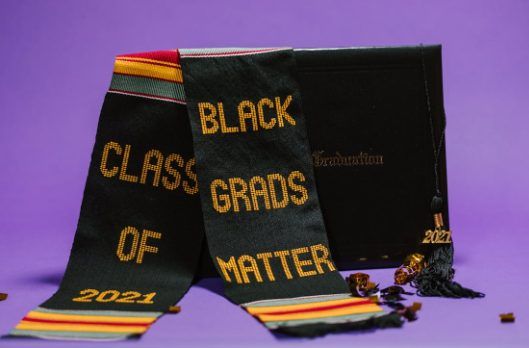
If you’re wondering about the importance of double-checking the authenticity of high school diplomas, you’ve come to the right place. Unfortunately, there are fake high school diplomas out there, and they can cause a lot of trouble for employers, colleges, and honest folks just trying to get ahead. Visit this page to learn not just why it’s crucial to verify these documents but how you can do it effectively.
Understanding High School Diplomas
A high school diploma is more than just a piece of paper; it’s a ticket to job opportunities and higher education. There are several types of diplomas, like standard, advanced, and ones that match certain state tests. However, not every diploma you come across is real. A fake high school diploma can look pretty convincing if you don’t know what to look for. That’s why understanding what a real diploma should look like and what it represents is super important.
Reasons to Verify a High School Diploma
Why bother checking if a diploma is real or fake? First off, you don’t want to hire someone who isn’t actually qualified for the job. Colleges also need to check so that they don’t admit students who haven’t truly earned their spot. Lastly, it’s about keeping things fair. Using a fake high school diploma is dishonest, and it can unfairly put others at a disadvantage who have worked hard for their genuine qualifications.
Preliminary Steps for Verification
Before you can tell if a diploma is legit, you’ll need some basic info from the person who gave it to you. Get their full name, the school’s name, where it’s located, and the year they graduated. Remember, it’s super important to respect people’s privacy while you do this, so make sure you have their permission to dig into their educational background.
Methods of Verifying a High School Diploma
- Direct Verification Through the School: The best way to check if a diploma is genuine is by contacting the high school directly. You can do this by calling the school’s main office or checking their official website for a contact email. When you reach out, ask specifically for the registrar’s office, as they handle records and can verify if someone graduated and what type of diploma was issued. Make sure to have the necessary details like the graduate’s name and the year they graduated. This direct line of inquiry is usually the most reliable method to ensure you’re not dealing with a fake high school diploma.
- Using Third-Party Verification Services: If direct contact is not possible or if you want to double-check the information, consider using a professional verification service. These companies specialize in confirming educational credentials and can often navigate the verification process quicker. They have access to extensive databases and direct lines of communication with institutions. However, services vary in terms of cost and reliability. It’s crucial to choose a reputable provider—look for service reviews or ask for recommendations from trusted sources. Remember, while this method can save time, it’s essential to ensure that the third-party service itself is legitimate and recognized.
- Online and Public Databases: In addition to direct and third-party verifications, you can use online databases to check the accreditation of the school that issued the diploma. Accreditation is a seal of approval that ensures a school meets certain educational standards. Checking for accreditation can help you spot many fake high school diplomas, especially those claiming to be from non-existent or diploma mill schools. Websites like the U.S. Department of Education’s Database of Accredited Postsecondary Institutions and Programs or similar resources in other countries can tell you if the school is recognized and legitimate. Additionally, some databases allow for direct verification of a student’s graduation status, although access might be restricted and require consent due to privacy laws.
Red Flags and Warning Signs
Keep an eye out for a few telltale signs of a fake high school diploma. Poor quality paper or printing, spelling mistakes, and wrong information are big red flags. If the school’s name on the diploma doesn’t show up in any database of accredited schools, that’s another huge warning sign.
Legal Considerations
It’s illegal to use a fake high school diploma to try and get a job or a college spot. If you’re the one verifying diplomas, you have to handle people’s personal info carefully. Make sure you follow privacy laws and don’t share their information with anyone who shouldn’t see it.
Handling Verification Outcomes
If everything checks out and the diploma is real, great! If not, you’ll need to have a serious chat with the person who gave it to you. Sometimes it’s an honest mistake, but other times, it might be more serious. Knowing how to handle these situations can save you from legal troubles or hiring an unqualified person.
Maintaining Records
Once you’ve verified a diploma, keep a record of the information and how you got it. This might help you in the future if any questions come up about what you found out. You usually need to keep these records for a few years, depending on local laws. Better yet, make an identical fake high school diploma to use as a physical copy and keep the original one safe.
Wrapping Up
Checking if a high school diploma is genuine is a big deal. It helps keep things fair for everyone trying to earn a living or get an education. Fake high school diplomas can mess things up for a lot of people, so knowing how to spot and deal with them is key. Remember, if you’re ever in doubt, it’s better to check it out. Keep this guide handy, and you’ll be better prepared to spot the fakes and appreciate the real ones. Stay curious, and don’t shy away from asking questions—it’s the best way to learn and protect yourself and others from fraud.


