



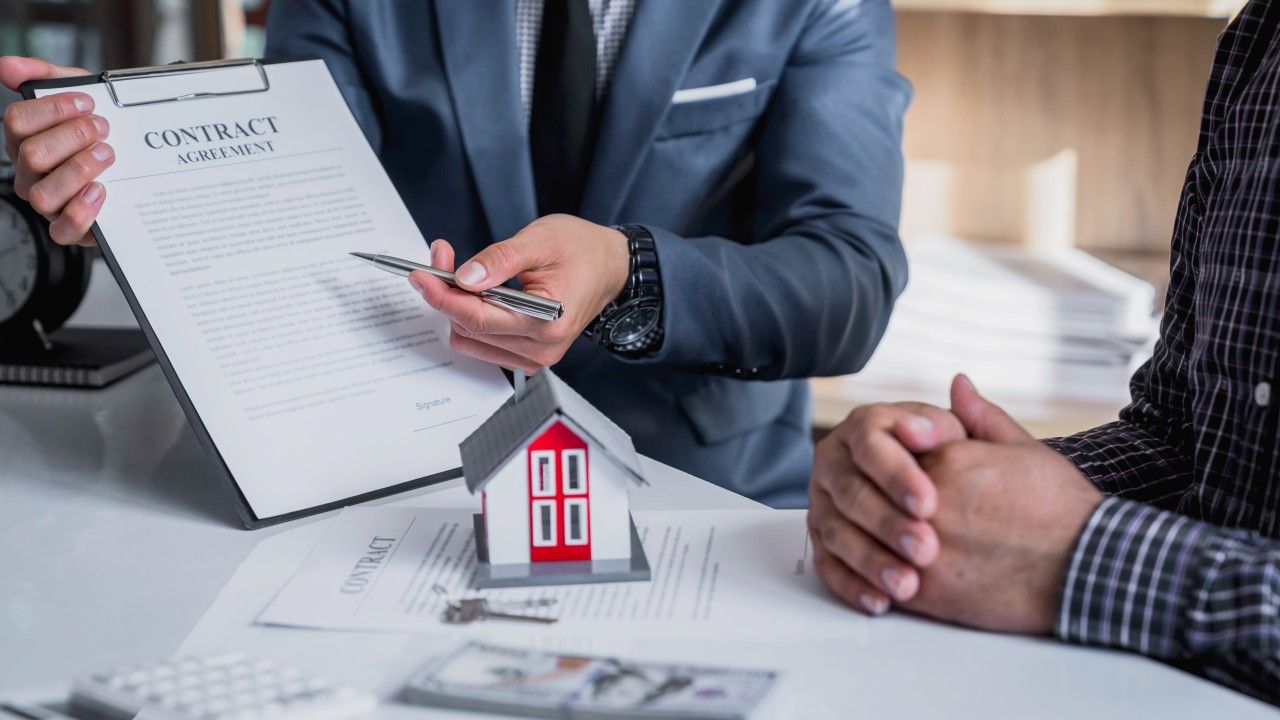
What do you do when a property co-owner simply refuses to respond? Calls and messages go unanswered. How frustrating it is.
Meanwhile, you have to contact them because important decisions are piling up. There are ways to resolve this. It’s not impossible. In this blog, we’ll learn how. We’ll stay methodical and take the right steps. You’ll learn to handle it without losing control of the situation.
Identify the nature of the dispute
You could be disputing unpaid expenses, or does it revolve around handling repairs? Before taking action, clarify the issue at hand. Is the co-owner refusing to contribute financially, or do they oppose selling the property but won’t discuss alternatives? Understanding the core problem will help determine the best approach.
Gather evidence of communication attempts
Silence can’t be used as an excuse. If your co-owner refuses to engage, you need proof of your efforts. Keep records of all emails, text messages, and letters. Note the dates and times of phone calls, even if they go unanswered. If you send a legal notice, use certified mail to confirm delivery. Documentation strengthens your case if legal action becomes necessary.
Review the ownership agreement
If there’s a written agreement, it likely outlines how disputes should be handled. Some agreements include a mediation process or a buyout clause in case one party wants out. If no agreement exists, state laws will determine how the matter is resolved. Joint ownership laws vary, so understanding your rights is critical before taking further steps.
Send a formal legal notice
Sometimes, an official notice is all it takes to get a response. A legal notice lays out the problem clearly and demands action. It should include:
- A summary of the issue
- A deadline for response
- Possible consequences of continued inaction
Get a property attorney in Los Angeles to draft a notice that carries weight. Many unresponsive co-owners take legal notices more seriously than informal attempts to communicate.
Explore mediation or arbitration
Legal battles are expensive and time-consuming; you should know that very clearly. Before heading to court, try resolving the matter through mediation or arbitration. Here, a third party will be involved to facilitate discussions and help reach a fair agreement. Mediation allows both parties to negotiate, while arbitration results in a binding decision. Either approach can be faster and less stressful than litigation.
Initiate a partition action if necessary
When all else fails, the law provides a solution – partition action. This legal process forces the sale or division of the property. Courts typically grant one of two types of partitions:
Partition by sale: The property is sold, and proceeds are divided.
Partition in kind: The property is physically divided if possible.
Partition actions are lengthy and costly, but they are the last option when co-owners refuse to cooperate. The court may also allow one owner to buy out the other if full division isn’t feasible.
Handle financial liabilities alone if required
Unpaid taxes, mortgage payments, or maintenance costs don’t disappear just because a co-owner is silent. If they refuse to contribute, you may have to cover the expenses yourself to avoid penalties. Keep detailed records of all payments made on their behalf. This documentation is helpful in recovering costs later, either through a legal claim or during a property sale.
Prepare for a potential buyout or sale
In some cases, it’s easier to buy out the unresponsive co-owner. If you can afford it, this option gives you full control of the property. A professional appraisal helps determine a fair buyout price. If buying them out isn’t an option, selling the property may be the only alternative. Courts can approve a forced sale if one party refuses to cooperate indefinitely.
Conclusion
An unresponsive co-owner causes long delays and financial burdens. Ignoring the issue won’t make it disappear. However, silence doesn’t mean you’re powerless. Legal notices, mediation, and even forced sale actions provide ways to move forward.
The key is to act strategically. Keep records of all communication attempts, consult legal experts, and be prepared for potential court intervention.
If informal methods fail, legal action may be the only way to protect your interests. Property disputes are typically frustrating, but persistence and the right legal steps will prevent indefinite stagnation.


