





Navigating a trade fair, the sheer diversity of exhibitors vying for interest may be taxing. Among this multitude of images, some booths grab viewers like moths to a flame with simple appeal. They pique interest and debate by capturing not just the sight but also the imagination. Instead of depending on gimmicks or bright distractions, these booths deftly mix strategy, design, and involvement to make a lasting impact. Making an eye-catching booth is more than simply a cosmetic endeavor for companies trying to increase their visibility; it’s a chance to turn foot traffic into significant relationships.
Building Visual Hierarchy That Enthralls
A well-considered visual hierarchy starts an effective trade fair display. Emphasizing the brand’s main messages and offers, this strategy guarantees that every piece in the area directs the viewer’s attention deliberately.
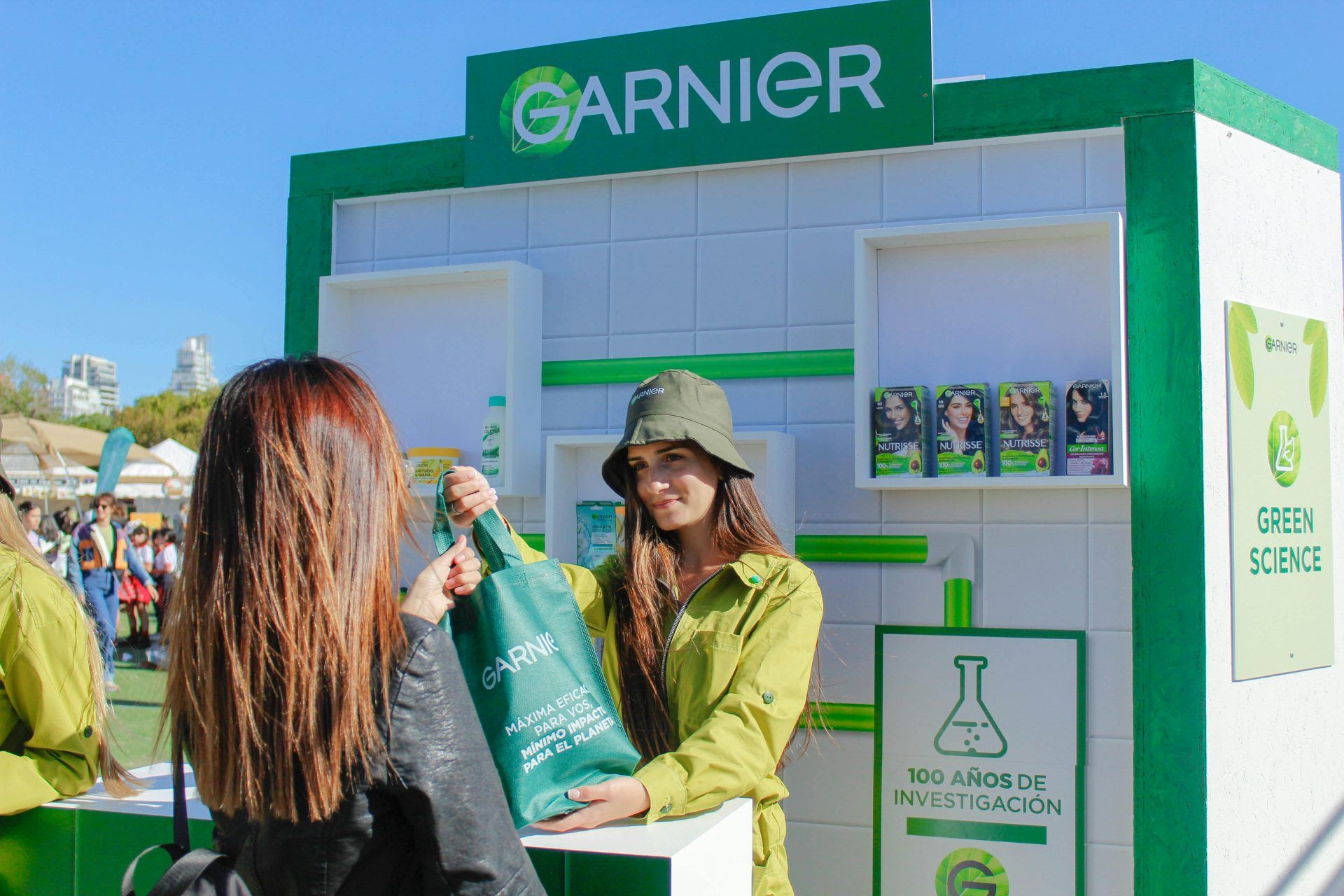
Creating a good visual hierarchy calls for careful element arrangement. The main focus of the booth—a distinctive logo or a creative product showcase—should be positioned at eye level to draw attention right away. Taglines or supporting visuals are complementary items that should be placed to point the eye throughout the display gently. By using opposing colors and lighting, one may improve this impact and make sure that important messages stand out even in packed surroundings.
Material selection is equally crucial. Glossy surfaces, textured backdrops, and vibrant textiles not only enhance the visual impact of trade show displays but also create tactile experiences that leave a lasting impression. Incorporating movement, such as digital screens or interactive elements, injects dynamism and ensures the booth remains a hub of curiosity and engagement amidst the exhibition’s activity.
Designing Interaction and Flow Space
Trade show booths are immersive settings meant to encourage involvement, not fixed exhibits. Ensuring the success of the booth depends mostly on its arrangement being perfect for flawless guest engagement.
Well-designed environments provide mobility and access priority. Free of needless restrictions, open designs encourage guests to participate and explore. Strategic placement of seating, display spaces, and quiet discussion places will help to provide an easy path from inquiry to discourse. For example, although consultation rooms at the rear provide seclusion for more in-depth conversations, placing a product demo station next to the entry promotes contact straight away.
The booth’s physical layout should likewise represent its brand values. A green company could use modular designs that cut waste or salvaged wood or other environmentally friendly materials. Tech-forward businesses may, meantime, use elegant, futuristic designs that reflect their avant-gard reputation. A coherent and unforgettable experience results from this deliberate alignment between brand identity and booth design.
Using Technology to Change Involvement
Including technology in trade fair displays is a transforming tool for interaction rather than just a fad. Modern technology allows booths to provide experiences that go beyond simple images and make a lasting impact.
Touch panels and interactive displays let guests investigate brand products on their terms. Virtual and augmented reality experiences expand this idea by enveloping guests in situations highlighting the value of the brand in practical settings. A VR simulation may, for instance, enable people to “test” a product in a controlled setting, therefore rendering the advantages clear-cut and instantaneous.
Data-driven technologies that customize encounters may include smart badges or face recognition systems. These technologies help companies to customize product demos and talks to fit personal interests, therefore strengthening the possibility of deep relationships. Through the analysis of these interactions, companies may hone their plans for the next activities, therefore guaranteeing constant relevance and progress.
Using Narrative in Booth Design
Every effective trade show booth relates a gripping narrative that fits the objective of the company and really connects with its target market. Booths that value storytelling go beyond simple utility to create a narrative that guests keep long after they go away.
Through visual signals, interactive components, and thematic coherence, storytelling may be weaved into the design of the booth. A brand advocating innovation, for instance, may show its development and future goals on an artful and immersive timeline of its benchmarks. Layers of involvement are created by elements like augmented reality tours, narrated movies, or actual relics, therefore strengthening the story.
The narrative should guide color palettes, typeface, and even booth staff member clothing. These little elements support the main idea and provide a coherent, unforgettable encounter. Along with remembering what the business has to offer, guests at the booth should connect with its ideals and objectives.
Conclusion
More than just draw-in, the most effective trade show booths establish significant relationships that lead to long-term possibilities. By means of careful design and a concentration on experience-driven design, booths may become potent instruments for interaction and brand storytelling. The secret is to combine ideas, creativity, and strategy to create an atmosphere that not only distinguishes but also remains remembered.


