



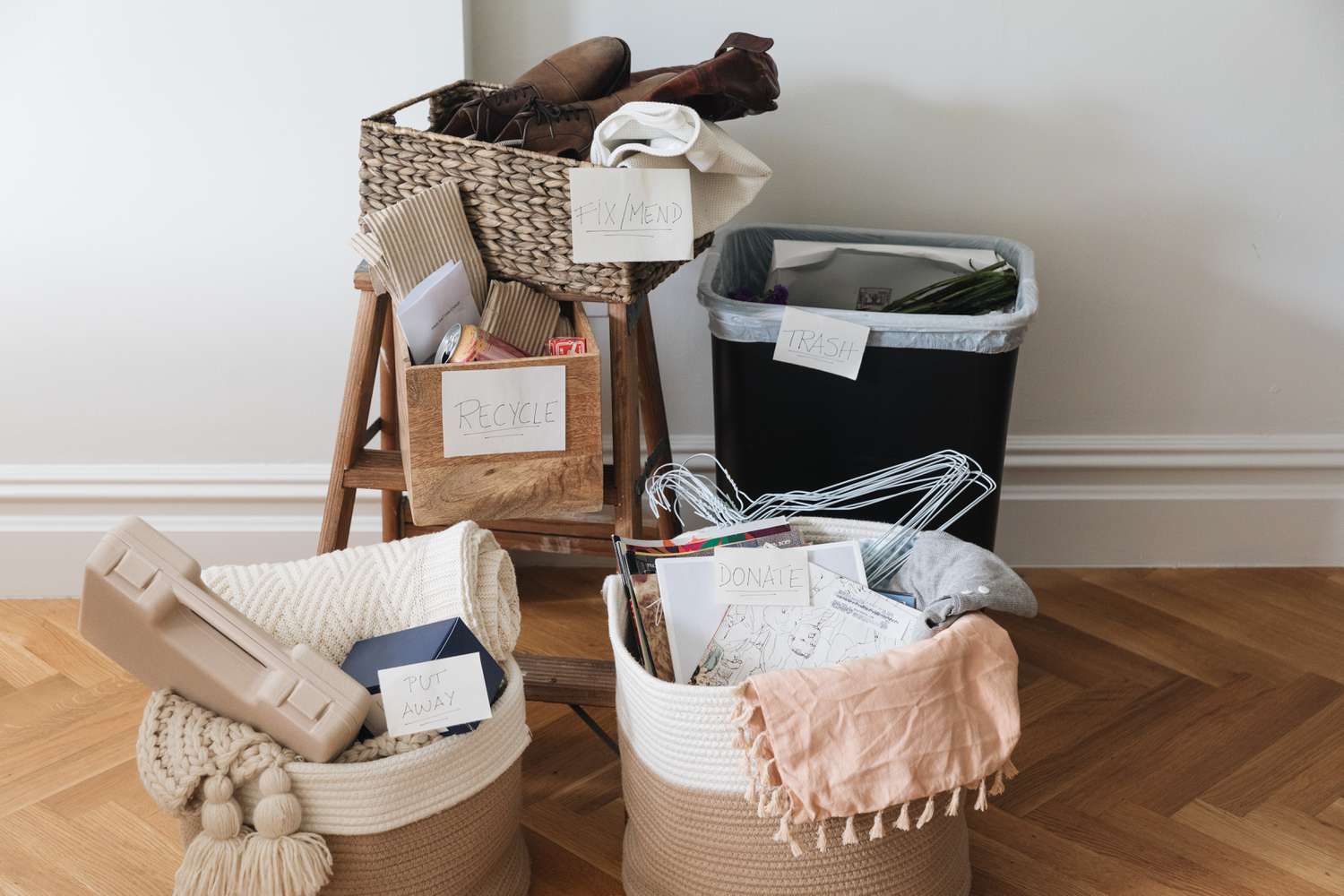
You know how decluttering often stalls because the real question is not “what do I bin?”, it’s “where can I put this while I decide?” If you want to declutter home Croydon without throwing everything away, you need a clear sorting rule and a storage plan that does not create a second mess.
The fastest wins come from two moves: tighten what stays in your day-to-day space, then move the “keep, but not right now” items into a tidy, inventoried system. That can be by-the-box storage (so you only pay for what you store) or a local storage unit you can access for quick swaps Cash Offer KY.
Below, I’ll show you how to identify essentials, repurpose what you can, donate or sell the rest, and choose self storage Croydon options with practical inventory habits, so you can get your space back without regret.
Key Takeaways
- The Box Co. advertises storage from £3.56 per box per month and includes collection, recorded security measures such as 24/7 CCTV, and an inventoried approach, so your belongings stay trackable rather than “lost in a cupboard”.
- For small-item storage, The Box Co. lists standard box sizes (for example, a Large Box at 50 x 50 x 50 cm) and a 20kg weight limit, which helps you pack safely and avoid awkward, overstuffed boxes.
- If you want traditional self-storage access, Croydon sites commonly offer smaller spaces (think 6 to 50 sq ft as popular options) and layered security like cctv, gated entry, and alarmed areas.
- For paperwork, photos, artwork, and archives, prioritise dry, stable storage conditions and a written inventory, because humidity swings are what quietly ruin “I’ll deal with it later” boxes.
How do I identify essential and non-essential items to declutter home Croydon?
Start with a simple truth: you cannot keep everything in prime space. So the goal is not to judge every item, it is to decide what deserves to live in your everyday home.
I recommend a “keep in the home” definition that is strict, but fair: essentials are items you use weekly, items that protect health and safety, and items you would pay to replace quickly if they vanished.
Everything else can still be kept, you just need to earn it a place in your plan, either through repurposing, gifting, selling, or secure self storage.
- Create four zones: Keep (daily home), Store (later), Gift, Sell. Put a fifth zone, Recycle or dispose, in the hallway or near the door, so it actually leaves the house.
- Use the “container” rule: A drawer, shelf, or wardrobe is a physical limit. Fill it with your favourites first, then anything that does not fit becomes “Store” or “Out”.
- Tag your “Store” items immediately: Write a short label plus a return trigger, such as “Christmas”, “baby clothes for next size”, or “tax year archives”.
- Choose the right storage type: Use by-the-box storage for small volumes you want delivered back to you, then use a local storage unit for bulky furniture or frequent access.
- Decide a review date: Set a calendar reminder for 8 to 12 weeks, then review stored boxes with your inventory list in hand, so “temporary” does not become permanent.
How can I categorise items based on how often I use them?
Frequency beats emotion for this step. If you sort by how often you reach for something, you stop debating and you start moving.
Use a quick “two-week test”: if you do not use it in two normal weeks, it does not deserve your prime shelves. That is where storage solutions Croydon can do the heavy lifting.
| Category | What goes here | Best home position | Storage move that keeps it painless |
| Daily | Work kit, cookware you use, toiletries, chargers | Eye-level shelves, top drawers, near points of use | Do not store off-site, reduce duplicates instead |
| Occasional | Seasonal clothing, hobby kit, entertaining items | High shelves, under-bed boxes, one labelled cupboard | Boxed storage or a small storage unit for rotation |
| Rare | Memorabilia, backup equipment, deep archives | Only if space allows, otherwise off-site | Secure self storage with a strict inventory and review date |
- Pack by “next time you’ll need it”: Label boxes with the month or event, not the room, for example “July garden” or “December decorations”.
- Keep boxes liftable: The Box Co. lists a 20kg weight limit for boxes and suitcases, which is a good rule even if you use another provider.
- Build a simple inventory: Give each box a number, list the top 10 items inside, and snap one photo before sealing. This is the difference between storage helping you and storage hiding problems.
- Plan for swaps: If you expect to fetch items often, choose a site with drive-up access or long access hours, then place “swap” boxes at the front of the unit.
- Protect the hard-to-replace: For electronics, art, and archives, use stable conditions, keep items off the floor, and avoid sealing damp items into plastic where mould can build.
- Budget with real numbers: Include renting costs, locks, any required cover, and the maintenance costs of extra trips, such as fuel and parking, before you commit to “cheap self storage Croydon”.
Ways to repurpose and upcycle old items
Upcycling works best when it solves a storage problem. If the finished item does not reduce clutter, it is a craft project, not a declutter win.
A good rule is “one in, one out”: do not start a project unless you have already cleared the space where the finished piece will live.
If you have broken electronics or small appliances, you can also look for community repair events run by organisations such as The Restart Project, which focus on repairing and reusing devices rather than replacing them.
How can I transform old items into functional decor?
This is the practical part of any decluttering your house guide: pick projects that you can finish in a weekend, then store the rest of your materials out of the way so your home still feels calmer.
- Textiles into soft storage: Turn old shirts or curtains into cushion covers, then use one labelled box for “fabric projects” so it stays contained.
- Jars into organisers: Convert glass jars into bathroom or desk organisers, then group them on a tray, so they look intentional, not scattered.
- Drawers into rolling storage: Add casters to old drawers and use them under a desk or bed, which replaces the need for loose baskets.
- Ladders into shelving: Sand, seal, and mount ladder rungs as shelves, but measure the wall space first so you do not create a new “temporary” pile.
- Frames into mirrors: Repurpose sturdy frames as mirrors, then store spare glass and backing boards flat to avoid breakage.
- Pallets into low seating: Only keep pallets that are clean and dry, then add removable cushion covers so you can wash them and avoid musty smells.
What DIY techniques can I use for creative reuse?
The best DIY techniques reduce future clutter. That usually means you build “homes” for your belongings, and you label them.
- Sand, prime, paint: Refresh furniture, then assign it a job, such as “all charging cables” or “children’s craft kit”, so it stops being random storage.
- Make drawer dividers: Use thick card or thin plywood for dividers, then label sections so the system survives busy weeks.
- Create a pegboard wall: Hang hand tools and DIY kit, then outline the shape of each tool so it is obvious what is missing.
- Use standard box sizes: Stackable boxes make shelves work. For example, a 35-litre Really Useful Box is listed at 480 x 390 x 310 mm externally, which makes it easier to plan shelves without wasted gaps.
- Be careful with electrics: If you are turning jars into pendant lights or rewiring lamps, stick to approved components and get a qualified electrician for anything you are unsure about, especially if you are dealing with mains wiring.
- Store projects like stock: Keep one box for “in progress”, one box for “tools”, and one box for “spares”, then put the rest into self storage, so the kitchen table stays usable.
Where can I donate or gift unused items?
Donating is easiest when you match the item to the right route. Clothes can go quickly to charity shops, furniture often needs collection, and electrical items need safety checks.
If you are stuck with bulky items that are not suitable for reuse, Croydon Council lists a paid bulky waste service, and it also flags special handling for soft furnishings that contain POPs (this affects how collections are scheduled). Cancer Research UK also publishes a clear “cannot accept” list, including many used mains electricals that are not safety tested.
- Charity shops: Great for clean clothing, books, and homeware that can go straight on a shelf.
- Furniture and electrical collections: British Heart Foundation accepts furniture and electricals, and it cannot sell upholstered items without fire labels.
- Community giving: Freegle is a UK network for giving and receiving items for free, which is ideal for “useful but not worth selling” pieces.
- Local swap groups: Neighbourhood groups are best for fast pickups, especially for kids’ items that people need quickly.
- Bulky disposal as a last step: If the item is damaged, missing parts, or cannot be legally resold, book a proper collection to avoid fly-tipping risks.
How do I give items to local charities or community groups?
Make it frictionless. The fewer steps you need to take, the more items actually leave your home.
- Pre-check acceptance rules: Confirm what the charity can take, especially for upholstery, cots, mattresses, and electrical items.
- Clean and photograph: A quick photo helps the charity decide faster, and it helps you track what has gone where in your spreadsheet.
- Pack for transport: Use strong boxes, fill gaps to stop breakage, and label “fragile” clearly for plates and glass.
- Use collection where it helps: If lifting is the barrier, book a collection service for your donations, then store anything waiting for pickup in one labelled “donation” zone.
- Separate soft furnishings: Keep upholstered items together, because some services collect POPs-containing items separately from other bulky waste.
- Keep proof for your records: If you track donations for finances or household budgeting, save a simple note of what went out and when.
What is the best way to share items with friends or family?
Sharing works when you remove uncertainty. People say yes more often when you make it easy to collect, and easy to decline.
- Offer with a deadline: “If you want it, it’s yours by Sunday, otherwise I’ll donate it.”
- Send a clear photo and dimensions: This prevents wasted trips and awkward “it does not fit” moments.
- Pack like it is going in the post: Label the recipient, list contents, and tape well, especially for boxed storage returns.
- Use box limits to your advantage: The Box Co. lists a 20kg weight limit for boxes, which keeps sharing manageable and safer to lift.
- Keep the inventory simple: Note box number, recipient name, and delivery address, so you do not lose track mid-declutter.
- Do not ship sentimental originals casually: For irreplaceable paperwork and archives, share copies where possible and store originals securely.
How can I sell items I no longer need?
Selling is a great middle path if you are hesitant to donate, and it can offset renting a storage unit. The trick is to sell in batches and set rules, so selling does not become a long-term side project.
Start with a “30-minute listing block” and a “30-day rule”: if it does not sell in 30 days, you reduce the price, bundle it, donate it, or store it with a clear review date.
What are the best online marketplaces to use?
Match the platform to the item type, then make shipping simple. If posting feels like a chore, you will stop selling.
| Platform | Best for | What to do to keep it easy |
| eBay | Collectables, mixed lots, branded items | Batch similar listings, keep packaging together, track stock with an inventory list |
| Vinted | Secondhand clothes | Pre-pack common sizes, store listed items in one numbered box |
| Depop | Fashion and style-led items | Photograph in consistent light, keep measurements in a notes template |
| Etsy | Handmade and vintage | Keep materials and finished stock separate, so orders do not get mixed |
| Facebook Marketplace | Bulky items and local pickups | Agree collection times, keep items near the door, use cashless payment where possible |
- Use a shipping reality check: Royal Mail lists “medium parcel” style dimensions for some tracked services at up to 61 x 46 x 46 cm, with a max weight of 20kg. If your item is bigger, plan local pickup or courier delivery instead.
- Stage items like a small shop: Put listed stock in one labelled “for sale” zone, then move overflow into self storage so your hallway does not become a warehouse.
- Protect profit: Include packaging, postage, and time in your pricing, not just what you want to earn.
- Be honest about condition: Clear photos of scuffs reduce returns and awkward disputes.
- Keep sensitive items secure: Store higher value items in a secure self storage site with CCTV and controlled access, rather than leaving them by the front door for weeks.
How do I organise a garage or car boot sale?
A car boot sale works best when you treat it like a one-day clearance event, not a casual morning out.
If you want a London benchmark for pitch costs, Capital Carboot lists walk-in pitches from £10, standard car pitches at £15, and different entry prices for buyers depending on arrival time.
- Stage stock off-site: Use a nearby storage unit to keep your driveway clear and to stop “sale stuff” spreading back into the house.
- Price in bundles: Set “3 for £5” style bundles for low-value items, so you sell volume rather than carrying it home.
- Bring the basics: Float, bags, tape, a marker, and a simple inventory list so you can track what sold.
- Make loading easy: Put heavier items in the car first, then lighter boxes on top, so you do not crush fragile goods.
- Plan the leftovers: Decide in advance what goes straight to charity, what gets listed online, and what goes into secure self storage.
- Finish with a reset: Once the sale is done, return only the “keep” items home, then book a donation drop or collection for the rest.
Storage solutions to invest in for decluttering
The best storage solutions are the ones that make your daily routines smoother. If you buy containers that do not match how you live, you will be reorganising forever.
Start with containment, then labels, then visibility. After that, you can decide whether you need external storage solutions Croydon, or if better home systems are enough.
- Modular shelving: Use adjustable shelves so you can change heights as your needs change.
- Clear, stackable boxes: Choose a standard size, so stacking stays stable and your cupboards stop turning into odd gaps.
- Vacuum bags for soft items: Useful for duvets and out-of-season clothes, but only store items fully dry to reduce musty odours.
- A label maker and a marker: Labels keep your system alive after busy weeks.
- A “landing tray” per room: One contained spot for daily clutter, emptied once a day, stops drift onto surfaces.
How can multi-functional furniture help with storage?
Multi-functional furniture is your first line of defence because it reduces what needs to leave the home at all.
- Storage beds: Ideal for linens and seasonal clothing, so wardrobes stay for what you wear.
- Ottomans with compartments: Keep throws, games, and cables out of sight but close by.
- Bench seating with storage: Strong for hallways, where clutter usually starts.
- Nesting tables: give you flexible surfaces without permanent bulk.
- TV units with closed doors: Hide routers, controllers, and spare leads, which are common clutter hotspots.
- Use external storage for overflow only: Once your furniture is working hard, move the remainder into a storage unit rather than cramming every corner.
What are effective ways to organise with bins, baskets, and shelves?
Think in categories you can maintain. If you cannot name the category in three words, the basket will become a junk drawer.
- Assign one basket per category: Repairs, paperwork, hobby supplies, cables, and cleaning kit are good starters.
- Plan box capacity: Some Croydon providers publish simple sizing guides, for example a 25 sq ft unit being comparable to a small shed load and a 50 sq ft unit often pitched for a studio or small one-bed overflow.
- Keep an inventory for stored boxes: List box number, category, and a short contents summary, then update it every time you rotate items.
- Store archives properly: Use acid-free folders for key paperwork and keep boxes off the floor to reduce damp risk.
- Lock away small valuables: If you use self storage, keep passports, jewellery, and sensitive documents in a locked container inside your unit.
When should I rent a self-storage unit?
Rent a self-storage unit when you need breathing space, not when you want to avoid decisions forever.
The best time is when you have a clear trigger, such as renovations, downsizing, a short-term move, or you are protecting valuables, archives, or equipment that cannot sit in a damp shed.
A February 2026 pricing explainer from HOLD Storage, based on Self Storage Association UK benchmarks, estimates UK monthly costs at about £29 for 10 sq ft, £73 for 25 sq ft, and £146 for 50 sq ft including VAT, which makes right-sizing one of the simplest savings you can make.
- Pick the smallest unit that fits your bulkiest items: Measure sofas, mattresses, and wardrobes first.
- Choose access based on how you live: If you swap items monthly, prioritise easy parking and long access hours.
- Ask about security layers: Coded access, CCTV coverage, and alarmed areas are worth checking, not assuming.
- Confirm what “cover” means: Some providers use insurance, others use enhanced liability, so read the limits and exclusions.
- Build a retrieval routine: Keep “swap boxes” at the front, and keep archives and sentimental items raised and protected at the back.
How can I store seasonal or sentimental items securely?
Seasonal items need access. Sentimental items need protection. If you treat them the same, you end up damaging what matters, or paying for storage you never use.
The National Archives warns that mould can germinate when relative humidity rises above 65%, and it notes that photographs and film often benefit from lower humidity levels, which is why dry, stable conditions matter for archives and keepsakes.
- Use stable conditions for sensitive items: Pick dry, clean storage and ask about climate-controlled options if you are storing photos, paper archives, art, or electronics.
- Store off the floor: Use pallets or shelving, especially for paperwork and textiles.
- Pack archives to be found: Label by year and topic, and keep an inventory list for each box.
- Limit light exposure: Keep photos and paper in closed boxes, not in see-through tubs sitting under lights.
- Protect against knocks: Use rigid boxes for fragile keepsakes, and fill gaps so items do not shift in transit.
- Keep access safe: Choose secure self storage with CCTV and controlled entry, and do not store your only set of important keys inside the unit.
What items are suitable for self-storage units?
You can store a wide range of household and business items, as long as you follow site rules and you pack properly.
- Furniture and household boxes: Sofas, beds, wardrobes, kitchen overflow, and boxed homeware.
- Seasonal kit: Decorations, bikes, sports equipment, and camping gear, rotated when needed.
- Business inventory: Stock, tools, and spare equipment, especially if you need scalable space for renting periods.
- Documents and archives: Boxed files and records, stored dry and organised with an inventory list.
- Instruments and electronics: Best kept in stable conditions with careful packing and moisture control.
- Know what is prohibited: Most facilities ban hazardous, flammable, illegal, perishable goods, and living things, so check before you load the van.
Conclusion
Decluttering does not have to mean loss. It means giving every item a role and a place, even if that place is temporary.
Start with keep, reuse, gift, and sell piles, then use smart upcycling and simple DIY to turn old pieces into practical storage and decor.
If you want to declutter home Croydon without waste, use a service like The Box Co. for boxed items and a secure self storage Croydon unit for bulky, seasonal, or sentimental belongings, then keep a tight inventory so you stay in control.
FAQs
1. How do I start decluttering without throwing everything away?
Start room by room, set a short timer, and sort items into boxes labelled keep, donate, sell and recycle. Check if you used an item in the last year, and aim to keep reading material, clothing and household items you actually use.
2. Can I keep sentimental things and still declutter?
Yes, choose a small number of truly meaningful objects and keep them. Photograph other mementos and store the pictures, instead of keeping every physical piece.
3. Do I have to bin most of my stuff to be tidy?
No, decluttering means choosing what stays, not removing everything, and you can give many things a new life. Donate to charity, sell online, or repurpose items rather than throwing them away.
4. How do I stop clutter coming back?
Set simple habits, for example one in one out, and organise storage with clear labels and easy access. Do short tidy sessions each week, review what returns to the home, and move unwanted items on quickly through local drop-offs or online sales.


