



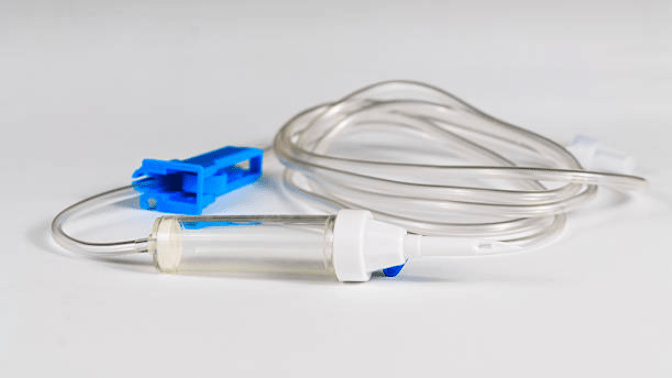
Medical tubing plays a critical role in modern healthcare, serving a wide range of applications from fluid and gas transport to catheters and intravenous lines. These tubes must meet strict safety and quality standards to ensure patient safety and effective medical procedures. Choosing a reliable supplier, such as MedSEA Forte – Leading Medical Tubing Supplier, is crucial, as substandard products can jeopardise health outcomes and damage a healthcare provider’s reputation.
Key Considerations When Selecting a Medical Tubing Supplier
When sourcing medical tubing, it’s essential to evaluate potential suppliers carefully. The first factor to consider is material quality. Medical tubing is often made from silicone, polyurethane, PVC, or thermoplastic elastomers (TPE), each suited for specific applications. Ensure the supplier provides materials that comply with international health and safety standards, such as FDA approval or ISO certification.
Experience and reputation are also vital indicators of reliability. Suppliers with a proven track record in the healthcare industry are more likely to deliver consistent, high-quality products. Check for client testimonials, case studies, or industry awards to gauge their credibility.
Another crucial aspect is customisation options. Medical applications often require tubing tailored to unique specifications, such as size, flexibility, and chemical resistance. A good supplier should offer custom manufacturing services, allowing you to obtain tubing that precisely matches your needs.
Additionally, assess the supplier’s quality control processes. Reliable suppliers conduct rigorous testing for factors like biocompatibility, burst pressure, and tensile strength. They should also provide detailed documentation, including certificates of analysis (COA) and batch records, ensuring full transparency.
The Role of Compliance and Certifications
In the healthcare sector, compliance with regulatory standards is non-negotiable. Ensure your medical tubing supplier adheres to recognised guidelines, such as ISO 13485 for medical device quality management systems. Suppliers should also be familiar with REACH and RoHS directives, which regulate the use of hazardous substances in medical products.
Ask potential suppliers about their certification processes and how frequently their products are tested. Partnering with a supplier that prioritises regulatory compliance not only safeguards patient health but also protects your business from legal risks.
Evaluating Reliability and Support Services
A supplier’s reliability extends beyond product quality — their customer service and supply chain efficiency are equally important. Consider their lead times, order flexibility, and capacity to handle urgent requests. Consistent delivery schedules prevent disruptions to your operations, ensuring you always have the necessary medical tubing on hand.
Technical support is another key factor. A knowledgeable supplier should offer guidance on selecting the right materials, troubleshooting product issues, and ensuring proper usage. This level of support helps healthcare providers optimise their procedures and maintain high standards of care.
Conclusion: Partnering with the Right Medical Tubing Supplier
Choosing the right medical tubing supplier in Singapore involves more than just comparing prices — it requires a thorough evaluation of material quality, compliance, customisation options, and customer support. Partnering with a reputable supplier not only guarantees reliable products but also strengthens your ability to provide safe, effective medical care. By considering these factors, you can confidently select a supplier that meets your exact requirements and upholds the highest healthcare standards.


