



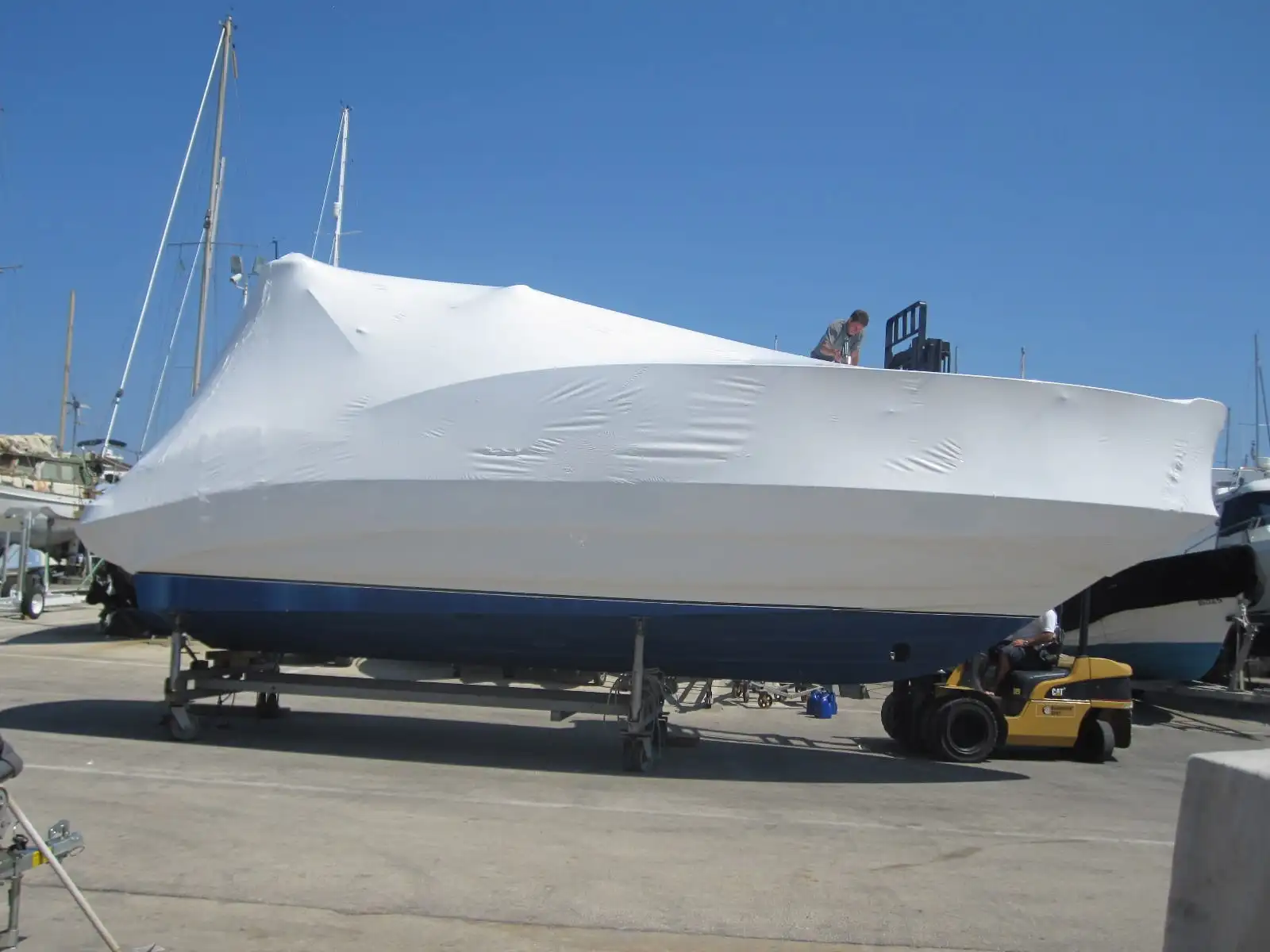
Whether you’re storing equipment for the season, protecting a boat, or preserving products for shipping, you need to know if shrink wrap will hold up for the duration. The last thing anyone wants is to invest time and money into wrapping something only to have the material fail halfway through. How long does shrink wrap last?
Most standard shrink wrap lasts between 6 months and 2 years when exposed to outdoor elements, while indoor shrink wrap can remain effective for 3-5 years or longer. UV-treated shrink wrap specifically designed for outdoor use typically lasts 1-2 years before degrading.
The lifespan can vary significantly depending on the type of shrink wrap you’re using, where it’s stored, and what environmental conditions it faces, so keep reading to understand which factors will affect your specific situation and how to maximize the longevity of your shrink-wrapped items.
Factors That Affect Shrink Wrap Durability
The type of shrink wrap material makes a huge difference in how long it lasts. Polyethylene shrink wrap is the most common and comes in different grades. Standard polyethylene without UV protection breaks down quickly when exposed to sunlight—sometimes in just a few months. UV-treated or UV-stabilized shrink wrap contains additives that protect against sun damage, extending outdoor life to 12-24 months.
Environmental conditions play a major role, too. Direct sunlight is the biggest enemy of shrink wrap, causing it to become brittle and tear. Temperature fluctuations, wind, rain, and salt air (in coastal areas) all accelerate deterioration. Indoor shrink wrap faces minimal stress and can last several years since it’s protected from UV rays and weather.
The quality of the installation also impacts longevity. Properly applied shrink wrap with adequate heat shrinking, proper ventilation, and secure attachment points will last longer than poorly installed wrap that flaps in the wind or has areas of stress concentration.
Indoor vs Outdoor Shrink Wrap Lifespan
Indoor shrink wrap has a significant advantage when it comes to longevity. Without exposure to UV radiation, extreme temperatures, or moisture, shrink wrap used for packaging, storage, or product bundling inside warehouses or homes can remain intact for 3-5 years or more. The material stays flexible and maintains its protective qualities much longer in controlled environments.
Outdoor shrink wrap faces much harsher conditions. Standard non-UV-treated shrink wrap might only last 3-6 months outdoors before showing signs of degradation like discoloration, brittleness, and tearing. This makes it unsuitable for anything beyond short-term outdoor use.
UV-treated outdoor shrink wrap is specifically formulated with stabilizers to withstand sun exposure. This type typically lasts 12-18 months in moderate climates and full sun conditions. Some premium marine-grade shrink wrap can last up to 24 months, though most manufacturers recommend replacement after one season to ensure optimal protection.
Signs Your Shrink Wrap Needs Replacement
Knowing when to replace shrink wrap is just as important as knowing how long it should last. Visible discoloration is usually the first sign—shrink wrap that’s turning yellow, brown, or becoming cloudy has begun to break down from UV exposure and will fail soon.
Brittleness is another clear indicator. If you touch the shrink wrap and it feels stiff or cracks easily, the material has lost its flexibility and protective qualities. You might notice small tears or holes appearing, especially in areas with the most sun exposure or wind stress.
Sagging or loose areas suggest the shrink wrap has lost its tension. While some slight loosening over time is normal, significant sagging means the material is no longer providing a tight protective barrier. Flapping sounds in the wind indicate the wrap has come loose from its attachment points or has stretched beyond its effective range.
If you notice any of these signs, it’s time to replace the shrink wrap rather than risk damage to whatever you’re protecting underneath.
How To Extend Shrink Wrap Life
Choosing the right shrink wrap for your application is the first step in maximizing lifespan. Always use UV-treated shrink wrap for outdoor applications, even if it costs more upfront. The mil thickness matters too—thicker shrink wrap (7-9 mil) lasts longer than thinner options (6 mil or less) because it can withstand more stress and degradation.
Proper installation significantly extends shrink wrap life. Professional shrink wrappers know that even heating and adequate tension during installation are crucial. Make sure the wrap is heated evenly and adequately during installation to create proper shrinkage and tension. Avoid overheating, which can weaken the material. Create proper ventilation to prevent moisture buildup and reduce wind stress from inside the wrap.
Strategic placement can help too. If possible, position shrink-wrapped items in shaded areas or use additional coverings to reduce direct sun exposure. Secure all edges and seams properly with quality shrink tape to prevent wind from getting underneath and causing stress on the material.
Regular inspections allow you to catch small problems before they become big ones. Check your shrink wrap monthly and repair small tears immediately with shrink tape or patching material. This preventive maintenance can add months to your shrink wrap’s effective lifespan.
Different Types Of Shrink Wrap And Their Durability
Polyolefin shrink wrap is commonly used for retail packaging and indoor applications. It’s crystal clear, durable, and produces minimal odor during shrinking. For indoor use, polyolefin can last 3-5 years, but it’s not recommended for long-term outdoor use without UV protection, as it degrades quickly in sunlight.
Polyethylene shrink wrap is the workhorse for outdoor and marine applications. Standard polyethylene without additives lasts only 3-6 months outdoors, but UV-treated versions can last 12-24 months. Marine shrink wrap is typically 6-12 mil thick polyethylene with UV inhibitors specifically designed for boat storage and harsh marine environments.
PVC shrink wrap was once popular but has fallen out of favor due to environmental concerns and the fact that it releases harmful fumes when heated. It’s rarely used for large-scale applications anymore. When it is used indoors, it can last several years, but outdoor durability is limited.
Cross-linked polyethylene shrink film offers superior strength and puncture resistance. It’s more expensive but can be worth it for high-value items or demanding applications. With proper UV treatment, cross-linked polyethylene can reach the 2-year mark outdoors while maintaining better integrity than standard options.
Shrink Wrap Storage And Shelf Life
Unused shrink wrap sitting in storage also has a shelf life, though it’s considerably longer than installed wrap. When stored properly in a cool, dry, dark location away from direct sunlight, most shrink wrap rolls can last 1-2 years before use without significant degradation.
Heat and humidity are the enemies of stored shrink wrap. Avoid storing rolls in hot sheds, garages, or areas with temperature fluctuations. Extreme heat can cause the rolls to stick together or begin the degradation process even before use. Moisture can affect the material’s properties and make it harder to work with.
Keep the shrink wrap in its original packaging until you’re ready to use it. The packaging protects against dust, moisture, and UV exposure. If you’ve opened a roll but didn’t use it all, wrap the remainder in an opaque material or store it in a dark cabinet.
Check stored shrink wrap before use, especially if it’s been sitting for more than a year. Look for discoloration, stiffness, or any signs that the material has begun to degrade. Using compromised shrink wrap from storage will result in a shorter effective life once installed.
Cost Considerations And When To Replace
The temptation to stretch shrink wrap beyond its recommended lifespan can be strong, especially for expensive applications like boat wrapping. However, waiting too long to replace degraded shrink wrap can end up costing more in the long run if the items underneath get damaged.
Marine shrink wrap services typically cost $12-20 per foot for boats, making it a significant annual expense. Some boat owners wonder if they can leave the same wrap on for multiple seasons. Most marine professionals strongly advise against this—the risk of moisture intrusion, mold, and UV damage to your boat far exceeds the cost of new shrink wrap.
For commercial applications, factor replacement costs into your budgeting. If you’re using shrink wrap for seasonal equipment storage, plan on annual replacement for outdoor items. Indoor warehouse applications can budget for replacement every 3-5 years unless the wrap becomes damaged sooner.
Sometimes, partial replacement is possible. If only certain sections of shrink wrap show degradation (typically the south-facing or most sun-exposed areas), you may be able to remove and replace just those sections, extending the life of the remaining wrap. However, this is often more labor-intensive than complete replacement.
Conclusion
Shrink wrap typically lasts 6 months to 2 years outdoors and 3-5 years indoors, depending on the type of material and environmental conditions. UV-treated shrink wrap designed for outdoor use provides the best durability for exposed applications, while standard shrink wrap works fine for indoor storage and packaging. Regular inspections and proper installation can help you maximize your shrink wrap’s lifespan, but don’t push it beyond the recommended timeframe—the cost of replacing shrink wrap is minimal compared to the potential damage to what you’re protecting.


