





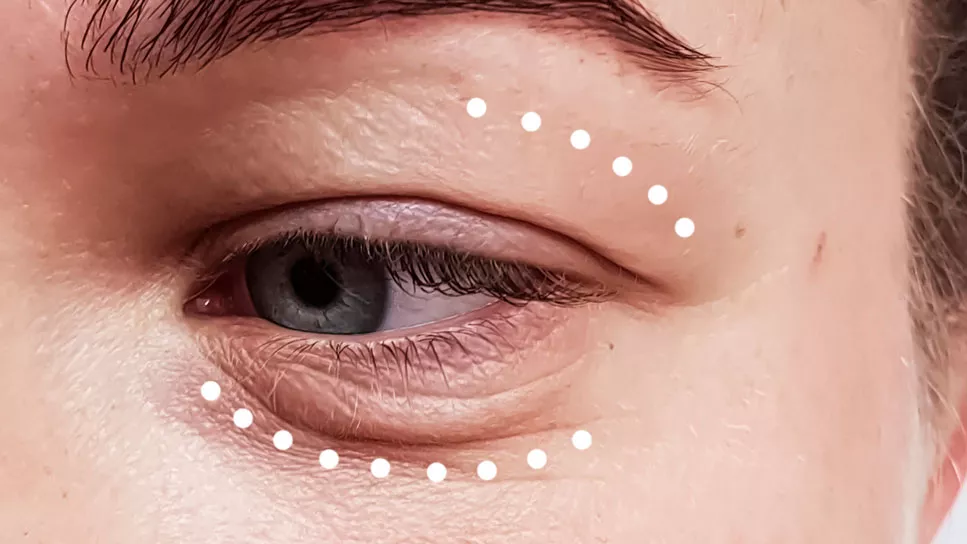
Wrinkles and discoloration around the eyes can make anyone feel self-conscious, often adding years to their appearance. These common signs of aging are caused by factors like genetics, sun exposure, and the natural loss of skin elasticity over time. While skincare routines and treatments can help, they don’t always deliver the lasting results people desire.
Eyelid surgery, also known as blepharoplasty, offers a transformative solution for those looking to rejuvenate their eye area. This popular procedure not only reduces wrinkles but also addresses dark circles and uneven skin tone, creating a brighter, more youthful look. By targeting both the upper and lower eyelids, it effectively smooths and revitalizes the delicate skin around the eyes.
Why Wrinkles and Discoloration Develop Around the Eyes
Wrinkles and discoloration around the eyes result from aging, environmental damage, and lifestyle factors. Skin in this area is thinner and more delicate than the rest of the face, making it prone to visible changes.
Collagen and elastin loss occurs with age, causing the skin to sag and form wrinkles. This process starts in the late 20s and becomes more pronounced in the 30s and beyond. Reduced production of these proteins limits skin’s ability to maintain firmness and elasticity.
Sun exposure accelerates pigmentation issues and weakens skin over time. UV rays stimulate melanin production, leading to dark spots and uneven skin tone around the eyes. Prolonged exposure also damages collagen, further contributing to crow’s feet and fine lines.
Lifestyle factors like poor hydration, smoking, and inadequate sleep exacerbate these problems. Dehydrated skin appears dull and accentuates existing wrinkles. Smoking impacts blood flow, reducing the skin’s ability to repair itself. Sleep deprivation encourages fluid retention, causing puffiness and dark circles.
Genetics play a role in how early and severely these changes appear. Family history may determine pigmentation patterns or the tendency to develop under-eye wrinkles. These factors can influence whether someone seeks treatments like Eyelid Wrinkle & Discoloration Surgery to address these concerns.
Surgical vs. Non-Surgical Solutions for Aging Eyelids
Aging eyelids affect appearance and may reduce confidence, making treatment decisions essential. Surgical and non-surgical options provide different approaches to address these concerns.
Surgical Solutions
Eyelid surgery, or blepharoplasty, treats wrinkles, sagging, and discoloration effectively. Surgeons remove excess skin and adjust fat deposits to restore a smoother, firmer appearance. This option suits those with advanced signs of aging, such as deep wrinkles or persistent discoloration. Eyelid Wrinkle & Discoloration Surgery also improves functionality if sagging affects vision. Results from surgery are long-lasting, often maintaining improved aesthetics for 10 or more years.
Non-Surgical Alternatives
Non-surgical methods focus on temporary improvements. Treatments like Botox reduce dynamic wrinkles by relaxing muscles, while fillers restore volume to hollow areas. Laser therapy enhances skin texture and reduces pigmentation. These options are less invasive and ideal for individuals with mild to moderate signs of aging but require ongoing maintenance. Results typically last several months to a couple of years, depending on the procedure. However, not all cosmetic treatments are about enhancement—some are corrective. Biopolymer removal is a specialized corrective treatment designed to address complications from previous injections, such as inflammation, hardness, or uneven results.
Choosing between surgical and non-surgical solutions depends on the severity of eyelid aging and personal goals. Visits to certified specialists help determine the best approach for achieving a refreshed appearance.
Can Eyelid Surgery Help Improve Skin Tone and Texture?
Eyelid surgery, or blepharoplasty, can improve skin tone and texture by addressing underlying causes of discoloration and wrinkles. The procedure removes excess skin and repositions fat deposits, reducing the appearance of folds and creases. This process smooths the skin, creating a more even and rejuvenated look.
The removal of loose skin diminishes sagging, which contributes significantly to uneven texture. When combined with techniques targeting discoloration, such as laser resurfacing during the surgery, it can reduce pigmentation irregularities. Patients often report brighter skin around the treated area after healing.
Eyelid surgery indirectly supports healthier skin by enabling proper skin tightening. The restoration of youthful contours improves blood circulation in the surrounding tissues, enhancing overall skin quality. For individuals seeking long-lasting improvements, this procedure addresses both cosmetic concerns and functional benefits.
The Role of Fat and Skin Removal in Eyelid Rejuvenation
Fat and skin removal plays a crucial role in achieving smoother, younger-looking eyelids. During eyelid surgery, or blepharoplasty, surgeons remove excess skin to eliminate sagging and wrinkles. This intervention reduces the appearance of folds that contribute to an aged or tired look.
Repositioning or removing fat deposits is another integral aspect. Fat often accumulates in the upper and lower eyelids, causing puffiness and uneven contours. By redistributing or excising this fat, surgeons restore a balanced and refreshed appearance. The procedure also addresses deep creases and hollows, which enhance the overall effect of rejuvenation.
Strategic fat removal improves skin tone by reducing strain on surrounding tissues. This stabilization promotes healthier blood flow, which may minimize discoloration and create a brighter, more even skin tone. Combining this approach with other treatments, like laser resurfacing, can amplify results for individuals seeking to resolve both eyelid wrinkles and discoloration through surgery.
Individuals considering Eyelid Wrinkle & Discoloration Surgery may Visit now certified professionals to explore tailored options.
What to Expect from Recovery After Eyelid Surgery
Recovery after eyelid wrinkle & discoloration surgery typically involves manageable downtime and gradual improvement in outcomes. Patients can anticipate mild swelling and bruising around the eye area for the first 7–10 days. Cool compresses and prescribed medications often help minimize discomfort during this period.
Most people resume normal activities within 10–14 days, provided no strenuous physical activities strain the healing tissues. Incision sites, carefully placed in natural creases, usually heal within a few weeks, leaving minimal visible scars. Following professional post-operative care instructions is essential for optimal results.
Swelling and discoloration generally fade within one month, though subtle healing and tissue refinement can persist for up to six months. During this time, patients may notice ongoing improvements in skin tone and texture. If additional treatments such as laser resurfacing are combined with surgery, recovery timelines may vary slightly.
Frequent follow-up visits ensure proper healing. Certified surgeons monitor progress and address any concerns, fostering confidence in achieving refreshed eyelids. For more details about the procedure, individuals are encouraged to explore tailored guidance from specialists.
Latest Advances in Eyelid Rejuvenation for 2025
Technological innovations have refined eyelid rejuvenation techniques. These advancements improve precision, reduce recovery time, and enhance results for wrinkles and discoloration.
- Plasma Skin Tightening
Plasma skin tightening uses ionized gases to stimulate collagen production. It’s effective for addressing fine wrinkles and improving skin elasticity in delicate areas around the eyes. This non-invasive method minimizes downtime compared to traditional techniques.
- Photothermal Laser Treatments
Photothermal lasers target pigmentation irregularities and boost skin texture. By penetrating deeper layers, these lasers reduce discoloration and complement procedures like eyelid wrinkle and discoloration surgery for comprehensive rejuvenation.
- Artificial Intelligence in Pre-Surgical Planning
AI integration in surgical planning enables customization. It uses advanced analytics to predict outcomes, helping surgeons tailor approaches for removing wrinkles and restoring the uneven tone of eyelids.
- Regenerative Stem Cell Therapy
Stem cell enhancements rejuvenate eyelid skin by promoting tissue repair. This technique targets aging signs at a cellular level, making it particularly beneficial for improving both pigmentation and fine lines.
These cutting-edge methods ensure more effective results and cater to diverse patient needs. Individuals exploring these options can visit now certified specialists to determine personalized treatments for eyelid rejuvenation.
Combining Eyelid Surgery with Other Cosmetic Procedures
Eyelid surgery offers transformative results on its own, but combining it with complementary treatments can further enhance the overall outcome. Procedures like laser resurfacing, Botox, or dermal fillers can address additional concerns such as fine lines, pigmentation, and volume loss, creating a more comprehensive rejuvenation.
These combined approaches allow individuals to achieve a balanced and youthful appearance while targeting multiple signs of aging simultaneously. Consulting with a certified specialist ensures a tailored treatment plan that aligns with personal goals and delivers long-lasting results.


