



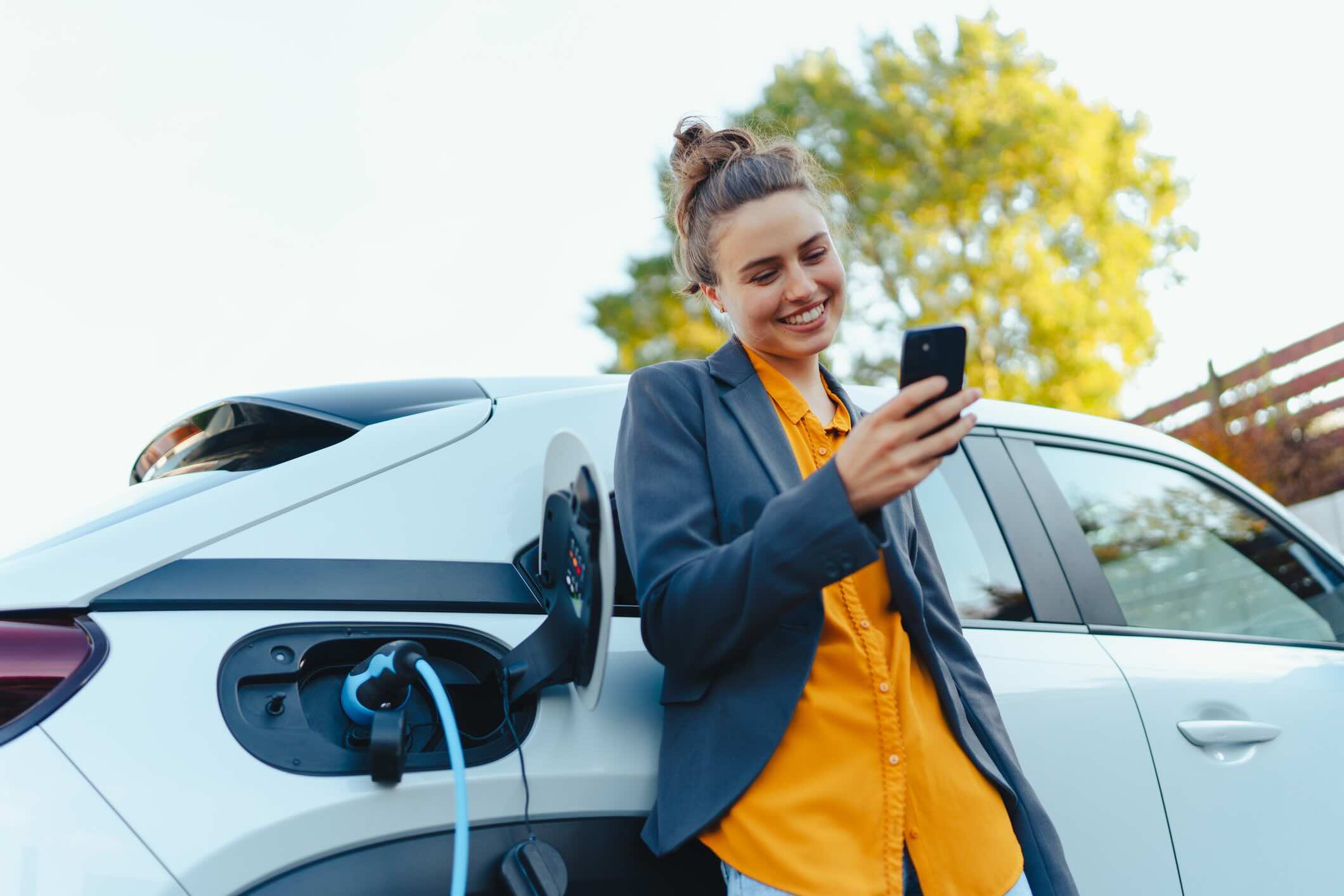
The automotive industry is undergoing a profound transformation as electrification reshapes both the product and the customer experience. Automakers are no longer simply selling vehicles; they are offering mobility ecosystems that extend far beyond the dealership. As electric vehicles (EVs) gain market share, customers expect more than performance and design they expect convenience, particularly when it comes to charging. This shift redefines what customers perceive as value and creates new opportunities for automakers to differentiate through infrastructure and service.
While early adopters tolerated limited access to chargers, mainstream buyers demand seamless integration of charging into their lifestyles. This evolution parallels how automakers once treated aftersales service and maintenance as value enhancers. The same principle now applies to EV charging offering a dependable, hassle-free charging experience can build loyalty and reinforce brand strength. To remain competitive, automakers must rethink their business models to incorporate charging as an essential element of ownership rather than a separate utility.
Consumers’ growing interest in sustainability amplifies this expectation. A brand that ensures reliable, easily accessible charging conveys a deeper commitment to the environment and technological innovation. Automakers that fail to meet these expectations risk losing not just customers, but their place in a rapidly consolidating market driven by experience-based competition.
Integrating Charging into the Customer Experience
Offering charging as a benefit requires automakers to view infrastructure as part of their product ecosystem, not an afterthought. Integration starts with data-driven insights about where customers live, work, and travel. By mapping these behaviors, automakers can design charging networks that align with their customers’ needs, whether through home installations, workplace charging programs, or partnerships with public networks. The goal is to make charging invisible a seamless part of the user journey.
Dealerships play a critical role in this integration. They can transition from being purely sales outlets to becoming energy and mobility hubs, providing customers with installation guidance, maintenance, and software updates for chargers. By turning dealerships into local charging centers, automakers can extend their brand’s physical presence and reinforce customer trust. This approach also helps dealerships remain relevant as service revenue from internal combustion engines declines.
Digital platforms further enhance the charging experience. In-vehicle navigation systems and mobile apps can direct drivers to compatible charging stations, schedule charging times, and manage payments automatically. The more intuitive and interconnected the experience, the more likely customers are to view charging as a built-in benefit rather than a chore.
Partnerships that Power the Future
No automaker can build a complete charging ecosystem alone. As electric mobility scales, collaboration becomes the foundation for success. Developing dependable infrastructure requires coordination among automakers, utilities, and technology providers each contributing expertise in engineering, energy distribution, or software integration. These partnerships are not optional; they are essential to ensuring customers have consistent, accessible, and high-quality charging wherever they drive.
For automakers, strategic alliances transform charging from a logistical challenge into a seamless ownership benefit. Well-managed networks improve satisfaction and reduce operational strain. By working with established infrastructure specialists, manufacturers can maintain brand control and service standards while ensuring reliable performance and uptime.
A case in point is the EV infrastructure firm ChargeTronix, whose reliability-focused technology illustrates how automakers are pursuing scalability through technical collaboration rather than proprietary systems. The company’s approach reflects a broader industry movement toward shared engineering standards and partnerships designed to make dependable charging performance an expectation rather than a marketing differentiator.
The Economics of Charging as a Benefit
Offering charging as a customer benefit is not just a branding exercise it is an economic strategy. Automakers that subsidize or include charging as part of the purchase price can position their EVs as complete mobility packages. This approach enhances perceived value, even if the upfront cost is slightly higher. As charging infrastructure scales, unit costs decline, making these offerings financially sustainable.
Subscription models are also emerging as viable paths. Automakers can offer charging plans similar to streaming or connectivity subscriptions, integrating costs into monthly payments. Customers prefer predictable expenses, and such models ensure steady revenue streams for automakers. These programs can also include rewards for off-peak charging, helping balance grid demand and further demonstrating corporate responsibility.
Additionally, data monetization from connected charging networks opens new opportunities. Automakers can analyze charging habits to optimize energy usage, predict maintenance, and personalize offers. This information can even inform future vehicle design and production strategies, ensuring efficiency throughout the value chain.
Enhancing Brand Loyalty through Energy Services
Charging can serve as a long-term loyalty anchor if automakers position it strategically. When customers associate effortless charging with a specific brand, they are less likely to switch to competitors. Just as fuel loyalty programs once tied customers to certain gas brands, EV charging networks can foster brand allegiance through convenience and reliability.
Automakers can further differentiate themselves by integrating renewable energy sources into their charging programs. Providing solar-powered or carbon-neutral charging demonstrates environmental leadership and aligns with consumers’ growing preference for sustainable brands. This initiative enhances public perception and creates a tangible sense of impact.
Moreover, automakers that offer bundled energy services combining vehicle, home charging, and renewable energy packages can extend their brand into households. This not only builds deeper relationships with customers but also diversifies revenue streams beyond vehicle sales.
Overcoming Infrastructure and Perception Challenges
Despite the opportunities, challenges persist. Limited public charging infrastructure in many regions remains a barrier to widespread EV adoption. Automakers must work with policymakers and utility companies to accelerate infrastructure deployment and ensure interoperability across networks. Only through such collaboration can the market move from fragmentation to cohesion.
Perception is another obstacle. Many potential buyers overestimate the inconvenience of EV charging due to outdated information or poor prior experiences. Automakers must invest in education campaigns that explain charging speed, range improvements, and the convenience of home or workplace solutions. Transparent communication can ease consumer anxiety and accelerate adoption.
Reliability is also critical. A single malfunctioning charger can negatively affect brand reputation. This underscores the need for durable, well-maintained equipment and responsive customer service. Automakers who proactively address these pain points will earn lasting trust.
The Role of Technology and Data in Charging Innovation
As vehicles become more connected, technology will drive continuous improvements in the charging experience. Smart chargers can communicate with vehicles and grids to optimize charging times and energy costs. Automakers can leverage software updates to enhance performance, much like they do with vehicle features. This digital agility ensures that charging infrastructure evolves alongside vehicles themselves.
Artificial intelligence can further personalize the experience by analyzing driver behavior and suggesting optimal charging schedules. Predictive analytics can anticipate when a customer will need a charge and reserve a station in advance. These innovations turn what was once a logistical necessity into a convenience-led service.
Data security and privacy must accompany these advancements. As automakers handle increasing volumes of sensitive information, transparency about data use will be key to maintaining customer confidence. Trust, both in technology and brand integrity, will define the next era of automotive relationships.
Building the Road Ahead
Charging is no longer a secondary concern; it is the foundation upon which the future of electric mobility rests. For automakers, offering charging as a customer benefit is both a competitive advantage and a strategic imperative. It transforms ownership into an experience, fosters brand loyalty, and aligns the industry with the sustainability goals shaping consumer preferences.
By investing in integrated solutions, forming strong partnerships, and embracing data-driven innovation, automakers can turn charging into a defining feature of their brand promise. The companies that succeed will be those that understand charging not as infrastructure, but as a customer relationship opportunity.
In this new era, convenience and trust are the ultimate differentiators. Automakers who make charging effortless and reliable will not only win customers but shape the future of mobility itself.


