



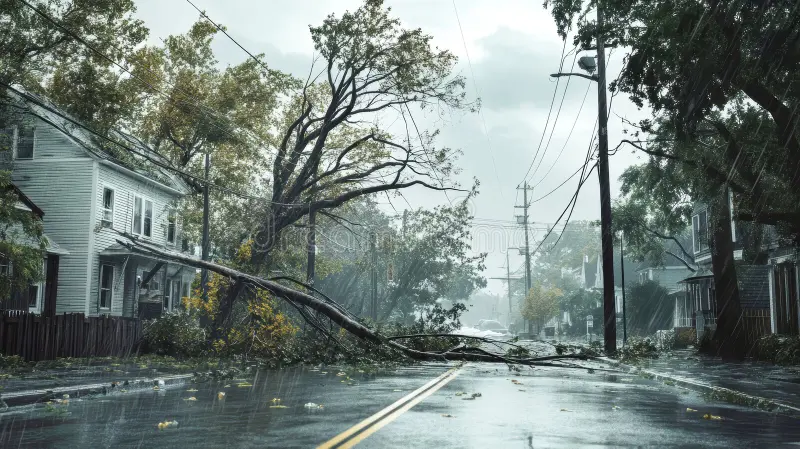
When storms approach, most homeowners know the drill: close the windows, bring in patio furniture, and check the gutters. However, even the most diligent preparations often overlook critical areas that can result in thousands of dollars in damage. Structural vulnerabilities, hidden water entry points, and poor roofing maintenance are just a few issues that are often missed. Many people don’t realize that an unchecked roof is one of the biggest liabilities during extreme weather conditions. It’s why regular inspections by trusted professionals like those at Rochester roofing can make the difference between a minor inconvenience and a major repair bill.
Hidden Weaknesses in Roofing Systems
Your roof takes the brunt of every storm, but unless shingles are flying off or there’s visible leaking, it’s easy to assume it’s fine. The truth is, damage isn’t always apparent. Loose flashing, worn underlayment, and compromised seals around vents can all allow water infiltration during heavy rain. High winds exacerbate the situation by lifting shingles or creating pressure points that further weaken the structure. Unfortunately, these small gaps often go unnoticed until mold, stains, or rot show up inside the home.
Homeowners often forget that roofing materials age, and not evenly. Areas with more sun exposure or those facing prevailing winds deteriorate faster. And if your roof wasn’t installed with weather resilience in mind, it might not stand up well against New York’s fluctuating conditions. Annual professional inspections can identify these subtle yet dangerous issues before they escalate into costly disasters.
Windows and Doors: The Forgotten Entry Points
While roofs often receive the most attention, windows and doors are equally important. Wind-driven rain can force water into even the smallest openings. Poor seals, aging caulking, and unprotected frames are common culprits. In addition, high winds can turn debris into projectiles that shatter glass and cause interior flooding.
Impact-resistant windows and storm shutters are wise investments in areas prone to severe weather. However, many homeowners rely solely on aesthetics or insulation ratings when choosing windows. Security against wind and rain should be a top consideration, especially as climate patterns become increasingly unpredictable.
Drainage and Landscaping Oversights
Proper water drainage is often overlooked in home maintenance. Gutters filled with debris can’t direct water away from your roof and foundation, leading to pooling and seepage. Likewise, poor grading around the home’s perimeter can guide rainwater straight into the basement or crawlspace.
Overgrown shrubs and trees can also pose a hazard. Branches scraping against your roof can lift shingles or clog gutters, and in high winds, weakened limbs can break off and cause structural damage. A smart landscaping plan doesn’t just beautify, it helps protect your home from environmental threats.
The Environmental Protection Agency (EPA) also emphasizes the role of stormwater management in preserving both your property and the surrounding environment, noting that unmanaged runoff can damage your home and contaminate local waterways.
Insurance Isn’t a Replacement for Prevention
Many homeowners mistakenly assume that if something breaks, their insurance will cover the repair. However, insurance doesn’t always cover wear and tear or gradual damage resulting from neglected maintenance. Claims related to roofing and water damage often require proof that the homeowner took reasonable precautions to prevent the damage.
Preventive maintenance, including documentation of roof inspections or gutter cleaning, goes a long way in supporting a claim. That’s why working with a reliable service provider like Rochester roofing is more than a smart choice; it’s financial protection. A licensed roofer can provide a thorough report that not only enhances your safety but also supports any future insurance claims.
The Role of Local Building Codes and Compliance
Homeowners may also miss the importance of adhering to local building codes. These regulations are designed to ensure structures can withstand regional weather risks. For example, roof fastening systems, material selection, and insulation requirements are all part of these codes. Ignoring updates or failing to comply can result in fines, denied insurance claims, or even full roof replacements following a failed inspection.
Conclusion
The next time a storm warning hits your area, don’t rely on luck or minimal precautions. Focus on the often-overlooked aspects of home protection, including roofing integrity, window seals, drainage, and code compliance. Regular maintenance, especially with expert support from Rochester roofing, helps ensure your home weathers the worst with minimal damage. The storm will pass, but what you do before it hits can make all the difference.


