



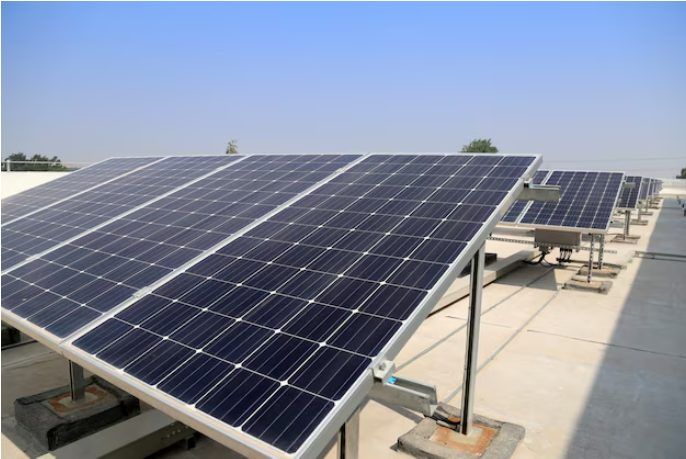
Solar power has become an increasingly popular choice for homeowners seeking sustainable and cost-effective energy solutions. With concerns about climate change and rising electricity costs, installing solar panels is not just an environmentally responsible move but also a financially savvy one. However, choosing the right solar power panels for your home involves more than simply picking the most advertised brand. It requires an understanding of how solar technology works, the types of panels available, and how to match these to your home’s energy needs. Click the link for more information: https://www.trinasolar.com/en-apac/product
How Solar Panels Work
At their core, solar panels capture sunlight and convert it into electricity through photovoltaic (PV) cells. When sunlight hits these cells, it generates a flow of electricity. This direct current (DC) electricity is then converted into alternating current (AC) by an inverter, making it suitable for household use. Excess energy can either be stored in batteries for later use or fed back into the grid, potentially earning you credits on your electricity bill.
Understanding this process is crucial as it helps homeowners appreciate the value of investing in high-quality panels and supporting components like inverters and battery storage systems.
Types of Solar Power Panels
There are three main types of solar panels commonly used in residential settings: monocrystalline, polycrystalline, and thin-film panels.
Monocrystalline panels are made from a single, pure crystal structure. They are known for their high efficiency and sleek design. These panels are ideal for homes with limited roof space, as they generate more power per square metre compared to other types. While they tend to be more expensive, their durability and superior performance often justify the investment.
Polycrystalline panels, on the other hand, are made from multiple crystal fragments. They are generally more affordable than monocrystalline panels but are slightly less efficient. Their blue, speckled appearance may not appeal to homeowners looking for a modern aesthetic, but they remain a practical option for those with larger roof areas.
Thin-film panels are lightweight and flexible, making them suitable for unconventional roof types or areas where traditional panels might not fit. However, their efficiency is lower compared to monocrystalline and polycrystalline options, which means they often require more space to produce the same amount of energy.
Factors to Consider When Choosing Solar Panels
When selecting solar power panels for your home, several factors come into play. The efficiency of the panels is a key consideration — higher efficiency means more electricity can be generated from a smaller surface area. This is particularly important for homes with limited roof space.
Durability is another crucial factor. Solar panels are a long-term investment, typically lasting 25 years or more. Ensuring they can withstand harsh weather conditions, such as heavy rain or strong winds, is essential. Check the warranty offered by manufacturers, as this often reflects their confidence in the product’s longevity.
The cost of the panels should also be balanced against their expected performance. While it may be tempting to opt for cheaper options, investing in high-quality panels can lead to greater long-term savings through improved efficiency and reduced maintenance needs.
Additionally, consider the brand and reputation of the manufacturer. Established companies with a strong track record are more likely to provide reliable products and honour warranty claims.
Matching Solar Panels to Your Home’s Energy Needs
Before purchasing solar panels, it’s important to assess your household’s energy consumption. Reviewing past electricity bills can help you understand your average usage and determine the size of the solar system required to offset your power needs.
The orientation and angle of your roof also affect how much sunlight your panels can capture. North-facing roofs generally receive the most sunlight in the southern hemisphere, while south-facing roofs are preferable in the northern hemisphere. Shading from trees, chimneys, or neighbouring buildings can impact efficiency, so professional assessment is advisable.
Battery storage is another aspect to consider. While not always necessary, batteries allow you to store excess energy generated during the day for use at night or during outages. This increases your energy independence and maximises the benefits of your solar investment.
When considering solar panel installation, it’s essential to evaluate local conditions and resources. For residents in Fairfield, CA, understanding the area’s specific solar potential can significantly impact the efficiency and cost-effectiveness of your solar investment. The region’s climate and sunlight exposure make it an ideal location for harnessing solar energy. By selecting the right type of solar panels and working with knowledgeable local installers, homeowners can maximize their energy savings and contribute to a more sustainable future. This tailored approach ensures that your solar system is optimized for the unique environmental factors present in Fairfield, CA.
Conclusion
Choosing the right solar power panels for your home involves careful consideration of panel types, efficiency, durability, and cost. By assessing your household’s energy needs and roof characteristics, you can make an informed decision that not only reduces your electricity bills but also contributes to a more sustainable future. Investing in solar energy is more than just a trend — it’s a forward-thinking move that benefits both your wallet and the planet.


