





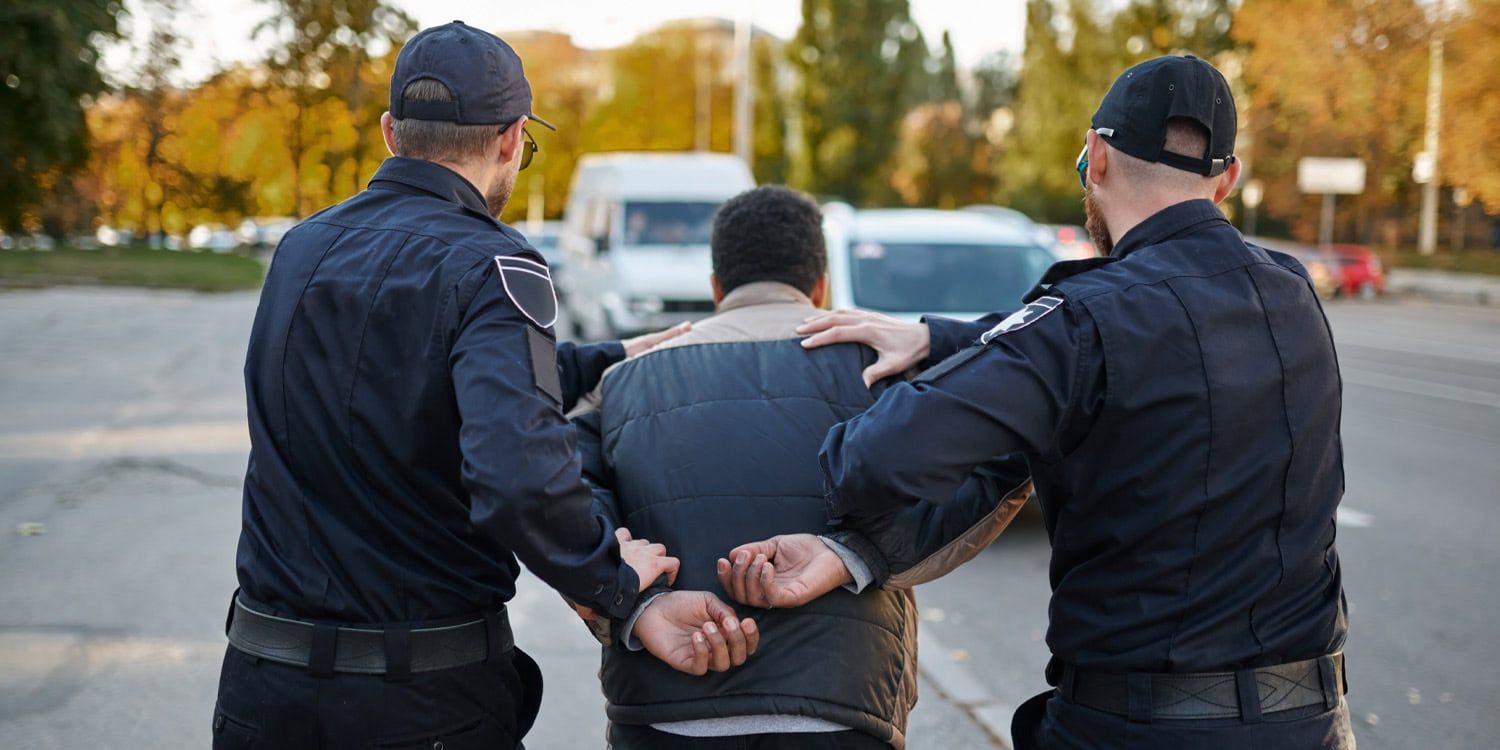
It usually starts quietly. A random knock at the door. A vague question from someone who wouldn’t normally ask. Maybe it’s a phone call that ends too quickly, or someone asking about a conversation that hasn’t happened yet. These things often feel like nothing, until they don’t. In reality, people rarely know when they’ve become a person of interest. Yet the consequences of not knowing can be devastating.
It doesn’t always come from guilt. In fact, many people who find themselves under scrutiny were never involved in anything criminal to begin with. Sometimes, it’s just proximity. Being close to the wrong person. Lending a car. Accepting a package. Or answering a phone call at the wrong time. It takes so little to raise suspicion. When those suspicions point toward criminal activity, especially involving controlled substances, it’s crucial to know the early signs of a police drug probe before it becomes something far more difficult to untangle.
The Tipping Point: How It Begins
Investigations don’t usually come with flashing lights and clear warnings. Law enforcement rarely announces that someone is being watched. Instead, the process unfolds in layers. A tip. A routine traffic stop. An anonymous report. From that moment forward, law enforcement may begin quietly collecting information. Phones are monitored. Locations are tracked. Conversations are recorded.
The person being investigated? Often completely unaware.
This early stage is where awareness can make a world of difference. Because during this time, what a person does, or doesn’t do, can directly influence the course of the investigation.
Behavioral Changes from Others
People closest to the situation may notice subtle behavioral changes. Friends who start acting cagey. Coworkers avoid eye contact. A sudden wave of questions that feel unusually specific. These could be signs that someone around the individual has been approached by police, asked to cooperate, or even offered a deal in exchange for information.
Sometimes, people aren’t upfront about their own legal trouble. But when they’re trying to protect themselves, they may begin to distance themselves, or worse, pull others into investigations without warning. Paying attention to changing dynamics in relationships isn’t paranoia. It’s smart.
Unexpected Police Contact
An officer showing up to ask questions isn’t always routine. Even when the tone feels casual, it’s wise to treat all police contact seriously. A single question might seem harmless on the surface, but it could be designed to place a person at a specific location, time, or connection. Even saying something as simple as, “I don’t remember,” can be used later in court as a statement.
In these moments, it’s legal, and wise, to decline to answer without legal counsel present. This doesn’t suggest guilt. It signals caution, which is exactly what someone should exercise when police contact begins without any clear reason.
Strange Surveillance Behavior
Unmarked cars. A drone that appears too frequently. The same person is seen more than once in odd locations. While these details can sound like something out of a thriller, they’re often rooted in reality. Surveillance is used more often than most assume, and it doesn’t always come with flashing lights or official uniforms.
Law enforcement agencies use discreet methods to track movement, observe behavior, and log interactions. It could be someone sitting at a gas station for hours. Or a utility truck parked across the street for days. Noticing these patterns doesn’t mean jumping to conclusions, but ignoring them completely could be a missed opportunity to get ahead of what’s coming.
Social Media and Digital Clues
Sometimes, people under investigation discover that private messages are no longer private. Platforms like Instagram, WhatsApp, and Facebook can and have been used in criminal cases. A comment made in jest, a shared meme, or even a group chat nickname could raise red flags for investigators.
More importantly, police may already be watching digital activity long before anyone realizes it. This includes not only messages, but likes, search history, and tagged locations. Once a phone or account is compromised, nearly every interaction becomes potential evidence.
Being cautious about what’s posted online isn’t just good practice, it’s a form of self-preservation.
Friends Asking Odd Questions
Another common clue comes through people who suddenly ask strange or overly specific questions. “Where were you last night again?” “Do you still talk to so-and-so?” “Have you ever had the cops ask you anything weird?”
While these questions may appear random, they often come from someone who’s been questioned or pressured themselves. They might be gathering information, willingly or not, for an ongoing investigation.
This is when discretion is everything. Sharing less is often safer than trying to explain more. When people start prying, it may be time to consult someone who can provide legal insight, rather than offering explanations that could be misunderstood or misused.
Mail, Packages, and Financial Accounts
A sudden hold on a bank transaction. A delay in receiving a package. Even a notice that mail was redirected or scanned. While these events can occur for everyday reasons, they can also be indicators that law enforcement is watching movements, purchases, or communications closely.
When someone is suspected of involvement in criminal activity, their financial records are often among the first to be scrutinized. Any irregularity, whether it’s cash deposits, wire transfers, or cryptocurrency activity, can raise further suspicion. The same goes for packages sent or received, especially if they cross state lines.
The Power of Timing
One of the most overlooked parts of being under investigation is that there may still be time to prevent formal charges. But that window closes quickly. The moment suspicion arises, whether through surveillance, police contact, or rumors, it becomes critical to seek legal help. Not after an arrest. Not after the search warrant. But before it escalates.
In many cases, defense attorneys can intervene early. They can make inquiries, protect rights, and even prevent charges from being filed altogether. And if the case does move forward, having legal representation already involved creates a stronger position from the start.
Why Innocent People Get Caught in the Middle
It’s a myth that only guilty people get investigated. In reality, people with no intent to commit a crime get caught in webs created by assumptions, bad timing, or someone else’s actions. Being naive to the process doesn’t protect anyone. In fact, it often leads to the worst outcomes.
That’s why learning the signs of a police drug probe is so important. It’s not about expecting trouble. It’s about preparing for the possibility that someone else’s mistake, or even the police’s own error, could place the burden of suspicion on the wrong person.
Final Thoughts
It doesn’t take guilt to get caught in an investigation. It only takes proximity, poor communication, or being unprepared. The system moves fast and asks few questions. Recognizing the early signs, listening to your gut, and protecting your rights are the best steps someone can take when things don’t feel right.
Police interest doesn’t always show up like it does in movies. Sometimes it’s quiet. Sometimes it’s indirect. But once it begins, every word and every move starts to matter. The goal isn’t to live in fear, but to stay informed. And when things get serious, knowing how to respond may be the most important decision of all.


