



Introduction:
Trekking to Everest Base Camp is a dream trip to the base of the world’s most elevated peak. This notorious Himalayan path is a trek for globe-trotters, nature partners, and social pioneers alike.It’s not fair to hike—it’s an enthusiastic, physical, and otherworldly encounter that rewards you with unmatched excellence and a sense of accomplishment like no other.
Why Select the Everest Base Camp Trek?
The Everest Base Camp trek takes you profoundly into the heart of the Khumbu region, advertising fabulous views of towering peaks like Ama Dablam, Lhotse, and Everest itself.
You’ll walk through snow capped timberlands, cross tall suspension bridges, and visit the dynamic Sherpa capital of Namche Bazaar. The travel is as wealthy socially as it is scenically.
Highlights of the Everest Base Camp Trek
- Walk in the strides of amazing climbers
- Panoramic views of Mt. Everest (8,848m)
- Explore Sherpa culture and Buddhist monasteries
- Namche Bazaar – the portal to Everest
- Visit Tengboche Cloister with Everest in the backdrop
- Hike to Kala Patthar (5,545m) for dawn over Everest
- Scenic flight to and from Lukla
- Optional return by helicopter for an extravagance finish
Hike to Everest Base Camp: A Step-by-Step Adventure
The Climb to Everest Base Camp starts with an exciting flight from Kathmandu to Lukla. From there, the path winds upward through woodlands, waterway valleys, and Sherpa villages.
The moderate pace makes a difference when you acclimatize, making each day reasonable and vital. With legitimate direction and assurance, this trek is achievable for any sensibly fit individual.
Everest Base Camp Trekking – A Physical and Mental Test
Everest Base Camp Trekking is more than a fair walk—it’s a challenge. You’ll pick up height steadily, coming to statues over 5,000 meters. Elevation ailment is genuine, but with acclimatization days and legitimate hydration, it’s manageable.
Mental continuity is far as critical as physical wellness. You’ll confront the changing climate, rough trails, and long days of climbing. But the compensation at Base Camp is unmatched.
Everest Base Camp Visit – For Culture and Comfort


Not everybody needs to climb all the way to Everest. The Everest Base Camp Visit offers beautiful flights and brief social treks for those looking for a taste of the Himalayas with included comfort.
This visit incorporates Everest sea focuses, Sherpa exhibition halls, and helicopter arrivals at Base Camp or Kala Patthar. It’s perfect for travelers brief on time or with constrained physical ability.
Everest Base Camp trek Return by Helicopter – The Best of Both Worlds
For those needing experience and extravagance, the Everest Base Camp trek returned by Helicopter is the ideal combo. You climb up the classic course and appreciate the view and culture, at that point dodge the tedious plunge by flying back in style.
The helicopter ride gives you a bird’s-eye view of Everest, ice sheets, and the whole Khumbu region. It’s time-saving, exciting, and elegant.
Day-by-Day Agenda: 14 Days of Exceptional Beauty
Day 1: Entry in Kathmandu
Day 2: Fly to Lukla (2,860m), trek to Phakding (2,610m)
Day 3: trek to Namche Bazaar (3,440m)
Day 4: Acclimatization day at Namche (Everest See Inn hike)
Day 5: trek to Tengboche (3,860m)
Day 6: trek to Dingboche (4,410m)
Day 7: Acclimatization day at Dingboche (Nangkartsang hill hike)
Day 8: trek to Lobuche (4,910m)
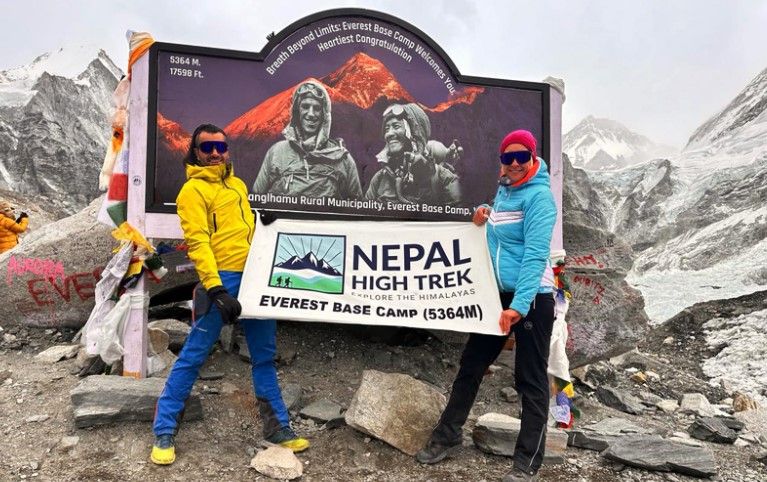
Day 9: trek to Everest Base Camp (5,364m), overnight at Gorakshep
Day 10: Dawn climb to Kala Patthar (5,545m), discretionary helicopter return to Kathmandu
Day 11: trek back to Pheriche
Day 12: trek to Namche Bazaar
Day 13: trek to Lukla
Day 14: Fly back to Kathmandu
Cultural Experiences on the Trail
The trek is filled with social lavishness. The Sherpa individuals, known for their quality and neighborliness, welcome trekkers with warm grins. You’ll pass colorful supplication banners, turning wheels, and old monasteries.
Tengboche Cloister is an otherworldly highlight. Set against the background of Everest, it’s one of the most quiet places in the Khumbu.
Scenic Flight to Lukla – The Travel Begins
Flying into Lukla is one of the world’s most energizing brief flights. The runway is little and roosted on a mountain edge. The ethereal sees of the Himalayas construct energy as you start your trek.Be mindful that climate can delay flights, so it’s savvy to construct adaptability into your itinerary.
Best Time for Everest Base Camp Trekking
The perfect seasons are spring (Walk to May) and harvest time (September to November). Amid these times, the skies are clear, and the mountain views are breathtaking.
Winter is less swarmed but greatly cold. Summer/monsoon season brings rain and restricted visibility.
Cost of the Everest Base Camp Trek
A budget trek can take a toll around $1,200 to $1,500, whereas mid-range treks with return flights or helicopters may extend from $2,000 to $3,500. Extravagance alternatives with high-end lodges and helicopter return can go past $4,000.
Prices shift depending on the trekking company, incorporations, and bunch size.
Permits and Section Requirements


You’ll require two fundamental permits:
Sagarmatha National park Allow (~$30)
Khumbu Pasang Lhamu Rustic District Allow (~$20)
No TIMS card is required for this trek, not at all like other districts. Carry passport-sized photographs and substantial ID.
Accommodation and Nourishment on the Trail
Teahouses along the course offer essential but cozy lodging. Rooms as a rule have twin beds, covers, and shared toilets. In places like Namche and Dingboche, a few lodges give private rooms and hot showers.
Food choices incorporate neighborhood dishes like dal bhat, momos, soups, pasta, flapjacks, and tea. Higher elevations have less choices, but you’ll continuously discover sufficient energy to energize your trek.
Physical Arrangement for the Everest Base Camp Trek
You aren’t required to be a competitor, but you ought to be in great shape. Get ready by:
Hiking week after week with a backpack
Doing cardio (running, cycling, swimming)
Strength preparing (legs and core)
|Practicing strolling on soak terrain
Mental planning is fair as an imperative. Remain positive, pace yourself, and hydrate well.
Altitude and Acclimatization: Remain Safe
Altitude affliction can influence anybody over 3,000m. Common side effects incorporate migraine, sickness, and discombobulation. To anticipate it:
- Ascend slowly
Take acclimatization days - Stay hydrated
- Avoid liquor and smoking
- Consider Diamox if needed
- Guides screen indications and can orchestrate crisis plunge or helicopter clearing if necessary.
Packing Fundamentals for the Trek
Bring high-quality equipment for security and comfort:
Waterproof climbing boots
Thermal base layers
Down coat and fleece
Sleeping sack (evaluated for -10°C or lower)
Trekking poles
Sunscreen, shades, lip balm
Water refinement tablets
First-aid kit
Layering is key—weather can alter quickly in the mountains.
Booking Your Everest Base Camp Trek
You can book your trek in progress online with certified Nepali organizations. Select a package that includes:
Airport transfers
Flights to/from Lukla
Trekking permits
Experienced direct and porter
Accommodation and meals
Optional helicopter return
Local offices offer superior adaptability and estimating than worldwide operators.
Everest Base Camp Trekking for Solo Travelers
Solo trekking is permitted but not suggested unless you’re experienced. A direct guarantees security, oversees coordinations, and enhances your travel through neighborhood knowledge.
Group treks are social and cost-effective. Private treks permit adaptability but may fetch more.
Environmental and Social Responsibility
Help protect the Himalayas by:
Using refillable bottles to maintain a strategic distance from plastic waste
Staying on assigned trails
Respecting nearby traditions and devout sites
Supporting neighborhood businesses
Eco-conscious trekking supports the common excellence for future generations.
Emotional Compensate: What You Take Home
The Everest Base Camp trek clears out you with long lasting recollections, unused fellowships, and a sense of triumph. Standing at the foot of the most elevated mountain in the world is a lowering and relaxing experience.
You return home more grounded, more associated with nature, and motivated by the individuals and peaks of Nepal.
Conclusion:
The Everest Base Camp trek is not fair around coming to a destination—it’s approximately finding yourself. Whether you select the classic trek, an extravagance visit, or a helicopter return, the travel is one that changes each traveler.
With staggering sights, wealthy culture, and epic enterprise, it genuinely is The Extreme Himalayan Experience.
Booking Process by Nepal High Trek:
To book any of these treks tours through Nepal High Trek Pvt.Ltd , begin by contacting them via email at info@nepalhightrek.com or phone or WhatsApp at +977-9851142116 to discuss your preferred dates, group size, and specific needs. They will provide a detailed itinerary covering these trek’s duration, highlights, cost, and inclusions such as a guide, porter, meals, accommodation, and transportation.
Prior to the trek, you will receive a comprehensive pre-trek briefing with essential information on packing, fitness preparation, and altitude acclimatization. The agency will finalize all logistical arrangements, including transportation, accommodation, and permits, to ensure everything is in place for your trek. Upon arrival in Nepal, the team will ensure that all aspects of the trek are organized, providing you with a smooth and unforgettable experience on these treks.


