



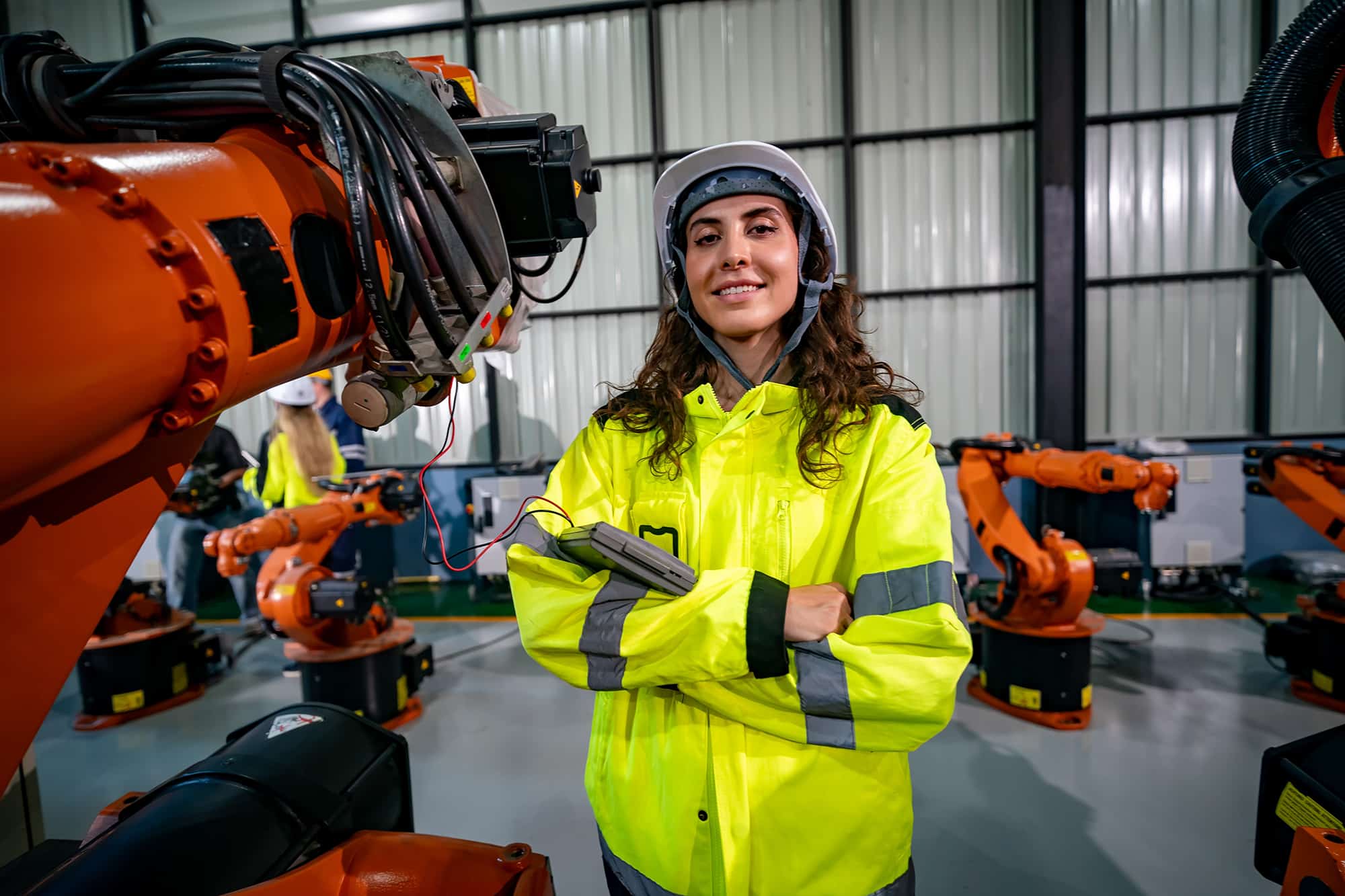
The Allure of Manufacturing Jobs
In today’s dynamic and often unpredictable job market, the manufacturing industry stands out for its remarkable stability and resilience. As global economic shifts continue to impact various sectors, manufacturing remains a robust employment field. The constant evolution of industries, including automotive, electronics, and aerospace, suggests a growing range of options for new and seasoned professionals. Connecting with a manufacturing jobs recruiting agency for entry-level candidates can prove invaluable. These organizations specialize in placing applicants in appropriate positions while providing resources and advice based on their qualifications and desired careers.
Delving into the manufacturing sector means entering a world where the results of one’s labor are tangible, creating a sense of fulfillment often missing in other industries. Moreover, manufacturing supports career growth and diversification. The skills honed in entry-level positions are highly transferable, opening doors to various roles across multiple sectors and offering individuals a broad scope of career trajectories.
Skill Development and Opportunities for Growth
One notable advantage of starting a career in manufacturing is the extensive on-the-job training that many entry-level positions provide. Unlike fields that require many degrees and certifications before employment, manufacturing allows individuals to develop skills through real-world experience. This practical exposure equips them with the knowledge to understand complex processes and machinery. To further enhance career progression, individuals can benefit from Seattle career coaching services, such as those offered by Close Cohen, which specialize in guiding professionals through strategic career development and transitions.
The commitment to skill enhancement doesn’t stop at the entry-level. The manufacturing industry encourages continuous learning through certifications and advanced training, greatly augmenting an individual’s employability. For instance, pathways for maintenance and repair workers allow for specialization that can lead to higher qualifications and better job prospects. As employees accrue experience and skills, many are eligible for promotions, moving into management and leadership roles that offer increased responsibility and pay.
Competitive Salaries and Benefits
One cannot overlook the attractiveness of competitive salaries in manufacturing. According to recent labor reports, many manufacturing positions provide wages that surpass the national average for entry-level jobs. Additionally, manufacturers often present comprehensive benefits packages, such as paid sick leave, retirement plans, and health insurance, which make these jobs very appealing to recent graduates.
Such benefits represent an immediate financial advantage and demonstrate the industry’s commitment to the well-being and growth of its workforce. This focus on employee welfare helps cultivate a stable and satisfied team, contributing substantially to lower turnover rates than other sectors.
Diverse Roles in the Manufacturing Industry
Rather than being a single, monolithic industry, manufacturing is a patchwork of diverse professions that serve a range of aptitudes and interests. From assembly line operators, who ensure that production lines run smoothly, to machine technicians who perform critical maintenance tasks, the range of entry-level roles is vast and varied. Each role boasts its responsibilities, challenges, and career growth opportunities.
Moreover, specialized positions such as CNC (Computer Numerical Control) machinists and welders are seeing increased demand. These roles typically require specific skills and offer pathways to more advanced positions. Entry-level candidates in these specializations can benefit from job security and higher-than-average wages as the demand for such skilled labor grows.


