



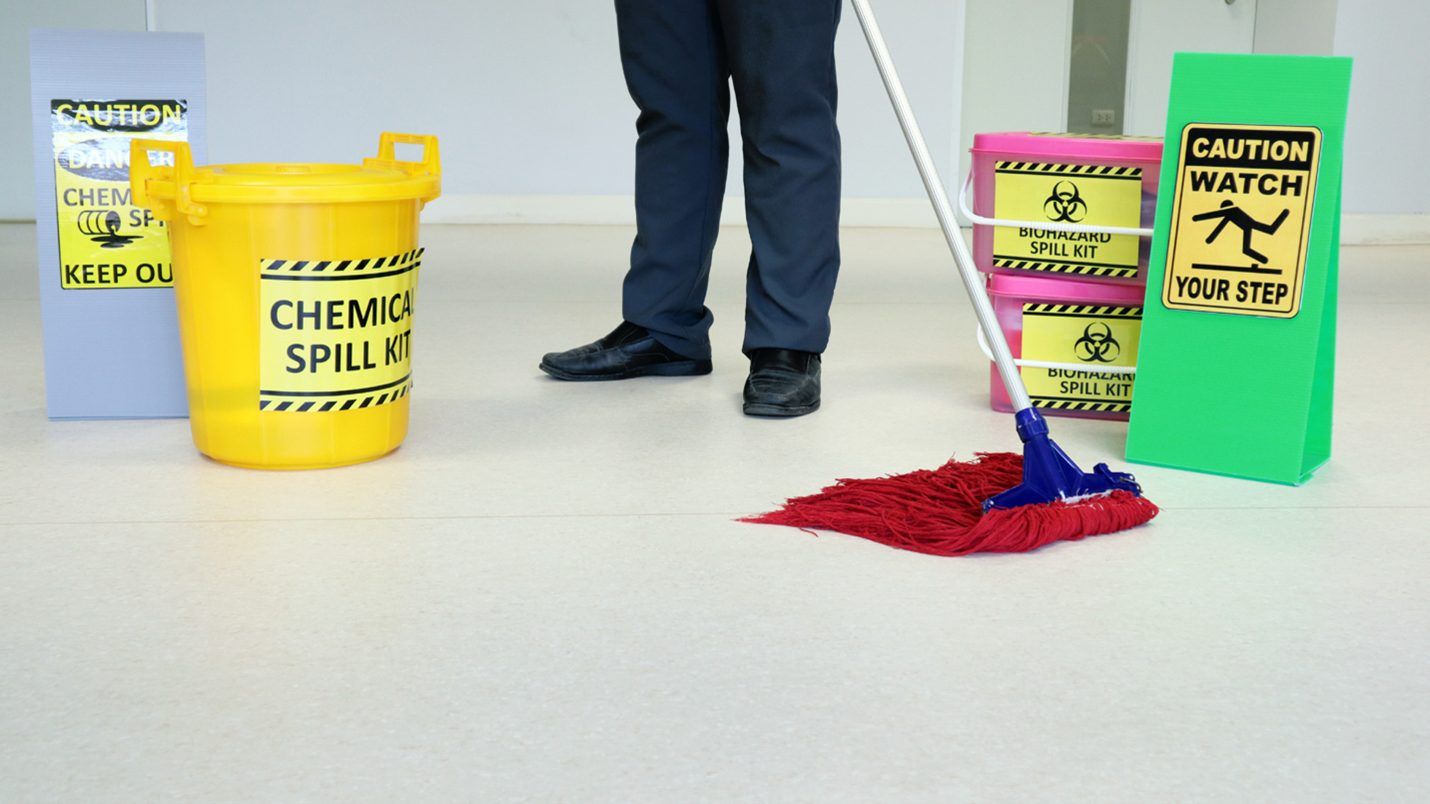
Effective spill management in the workplace is critical for ensuring the safety of employees and the protection of the environment. Business operations, especially those involving the handling of hazardous substances, must be prepared for any accidental releases. Managing spills efficiently minimises potential risks, regulatory fines, and clean-up costs, but more importantly, it fosters a culture of responsibility and safety awareness.
Understanding the Risks
Spills can disrupt workplace operations and lead to hazardous exposures if not addressed promptly. These incidents can range from minor leaks to catastrophic spills, each requiring an appropriate level of response. An organisation’s ability to manage these emergencies depends on having a clear understanding of the substances on-site and their inherent risks, including flammability, corrosivity, and toxicity.
Adverse effects of mismanaged spills can impact soil, water sources, and air quality. Moreover, they can be detrimental to worker health, potentially resulting in chemical burns, respiratory problems, or worse. Therefore, implementing a well-structured spill management plan is not only an operational necessity but also an ethical and legal obligation.
Creating a Spill Management Plan
Every workplace handling potentially hazardous materials should have a detailed spill management plan. This plan must outline procedures for spill prevention, containment, and clean-up. It should also specify the roles and responsibilities during a spill response, ensuring that all employees understand their duties and the actions required for different types of spills.
Identification and assessment of the various substances that are present in the workplace is a fundamental component of any spill management plan. It is essential to consider the volume and concentration of hazardous materials and their specific storage and handling requirements to develop an effective response strategy.
Training and Drills
Regularly conducting training sessions and drills is crucial for maintaining a level of readiness among staff. These activities ensure that employees are familiar with the procedures and necessary equipment, such as a spill kit, to respond to spill incidents efficiently. Comprehensive training also covers the methods of spill detection, communication protocols, and personal protective equipment (PPE).
Drills should be designed to simulate various spill scenarios to test the effectiveness of the response plan and identify areas for improvement. Ongoing training not only reinforces best practices but also builds confidence among employees so they can act quickly and safely during an actual spill event.
Stocking Essential Equipment
An integral part of effective spill management is ensuring that all necessary equipment is readily available. Crucial items include absorbents, neutralising agents, containment booms, and personal protective gear appropriate for the types of chemicals handled in the facility. Each workstation that deals with hazardous substances should be equipped with a spill kit suited to the particular needs of that area.
Spill kits often include absorbent pads, socks, and pillows designed for a specific type or class of spill. They are arranged in easily accessible locations so employees can act swiftly in the event of a spill. The contents of each kit and its size will vary depending on the substances used in the workplace and should be chosen with care to ensure the fastest and most effective response to a spill.
Proper Handling and Storage
Preventing spills from occurring is as important as being able to respond to them. Safe handling techniques and adequate equipment like a poly corrosive storage cabinet for corrosive substances mitigate the risk of accidental leaks and spills. It is important to follow the Material Safety Data Sheets (MSDS) for each chemical and implement stringent procedures for their storage and transport.
Storage solutions such as poly corrosive storage cabinets are designed to withstand corrosive substance leakage while preventing reactions between incompatible chemicals. They also offer protection against external hazards such as fires. Investing in correct storage infrastructure forms an essential part of a spill prevention strategy and regulatory compliance.
Regular Inspections and Maintenance
Regular inspection and maintenance of storage facilities, containers, and handling equipment are mandatory to ensure their integrity over time. Wear and tear, as well as material degradations, can lead to leaks and spills if not addressed immediately. Scheduled checks and prompt repair or replacement can drastically reduce the occurrence of spill incidents.
Such inspections should also extend to spill containment and clean-up equipment. Supplies in spill kits must be checked and restocked periodically. Expired or used items must be replaced promptly to ensure that the kits are always ready for immediate use.
Waste Disposal and Reporting
Documentation is a critical aspect of spill management. Correct recording of the spill type, volume, mitigation actions taken, and any environmental or health impacts are vital. This information is necessary for regulatory compliance and to inform adjustments to the spill management plan.
The proper disposal of spill-related waste is equally essential. Contaminated materials should be segregated according to local regulations and disposed of through authorised waste management services. Failure to handle hazardous waste correctly can lead to secondary contamination and potential legal ramifications.
Continuous Improvement
Effective spill management is dynamic. It requires constant evaluation and improvement based on new information, changes in regulatory standards, and lessons learned from past incidents. Each spill should be reviewed to identify successes and areas of concern, thereby refining the response plan and training modules.
Striving for continuous improvement encourages the adoption of the latest technology and best practices in spill management. It also integrates spill prevention and response more deeply into the organisational safety culture.
Conclusion
Effective spill management in the workplace is a multifaceted approach that encompasses prevention, preparedness, response, and post-incident analysis. It requires investment in appropriate containment and clean-up tools, regular training, adherence to safety protocols, and the continuous updating of processes. With rigorous planning and execution, workplaces can significantly reduce the impact of spills, safeguard health and safety, and ensure environmental stewardship.
By adhering to the essentials of spill management, organisations can create a resilient environment that is capable of managing potential emergencies while complying with stringent safety regulations. The health of both personnel and the ecosystem will benefit from such a proactive and thorough approach to spill management.


