



Hearing aids are a vital lifeline for anyone experiencing hearing loss. Whether you’re a senior relying on these devices for daily communication, a caregiver ensuring the well-being of a loved one, or an audiologist dedicated to providing the best care, having the right hearing aid supplies on hand is essential. In this blog post, we’ll explore the key supplies every hearing aid user should maintain.
Batteries for Consistent Power
The lifeblood of any hearing aid is its battery. Without a reliable power source, even the most advanced hearing aids become useless. It’s crucial to keep a steady supply of batteries to avoid any interruptions in hearing aid use. You can get quality batteries and other hearing aid supplies at your nearest hearing aid stores.
Hearing aid batteries come in different sizes, typically labeled as 10, 312, 13, and 675. Knowing the correct size for your device is essential. For seniors, caregivers, and audiologists, it’s advisable to carry spare batteries at all times. Unexpected battery drainage can occur, and being prepared ensures you won’t be left in a lurch.
Cleaning Kits for Maintenance
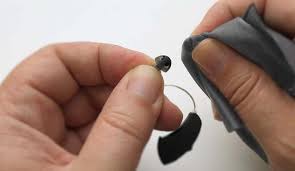
Hearing aids are small, intricate devices that require regular cleaning to function correctly. Dust, earwax, and moisture can accumulate, leading to malfunction or reduced sound quality. A proper cleaning kit includes tools like brushes, wax picks, and soft cloths designed specifically for delicate hearing aids. Regular cleaning not only enhances the performance of the hearing aids but also extends their lifespan.
Wax Guards to Prevent Blockages
Earwax can be a significant issue for hearing aid users, often leading to blockages in the hearing aid’s sound outlet. Wax guards are small filters placed in the hearing aid to prevent earwax from entering and damaging the device. Replacing wax guards regularly is crucial. It’s a simple task that can significantly improve hearing aid performance.
Domes and Tubing for Comfort and Fit
Domes and tubing are integral parts of behind-the-ear (BTE) hearing aids, affecting the device’s comfort and sound delivery. Over time, these components can wear out or become damaged, necessitating regular replacement. Having a supply of domes and tubing ensures that the hearing aid remains comfortable and effective.
Remote Controls for Easy Adjustments
Modern hearing aids often come with remote controls or smartphone apps that allow users to adjust settings without removing the device. These remotes can control volume, change programs, and manage other features, making them incredibly convenient. Ensuring that these remote controls are easily accessible and functioning correctly is important.
Drying Containers for Moisture Control
Moisture is one of the leading causes of hearing aid damage and can be a possible source of infection. Sweat, humidity, and accidental exposure to water can all impact the device’s functionality. Drying containers or dehumidifiers designed for hearing aids are essential supplies to combat this issue. These containers remove moisture effectively, ensuring the hearing aids remain dry and functional.
Storage Cases for Protection
When hearing aids are not in use, storing them properly is crucial to prevent damage. Sturdy storage cases protect the devices from physical damage and environmental elements like dust and moisture. Encouraging seniors to store their hearing aids in these cases when not in use can prevent accidental damage. Caregivers should make this a part of the daily routine. Audiologists should recommend high-quality storage solutions to their patients.
Conclusion
Being prepared with the right hearing aid supplies can make a world of difference for users, caregivers, and audiologists. From ensuring consistent power with spare batteries to maintaining cleanliness with proper cleaning kits, each supply plays a critical role in the optimal functioning of hearing aids.
By keeping these essential items on hand, seniors can enjoy uninterrupted hearing, caregivers can provide better support, and audiologists can ensure their patients receive the best possible care. Remember, proactive and regular maintenance is key to getting the most out of your hearing aids.


