



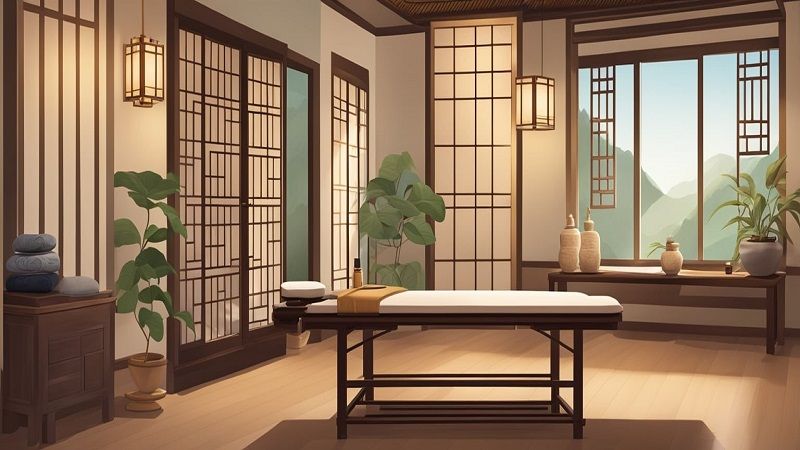
New York City’s bustling streets hide a wealth of ancient healing traditions. Chinese massage and acupuncture offer powerful methods for restoring balance and vitality amid the urban chaos. These time-tested practices have gained popularity as effective alternatives to conventional medicine.
Chinese massage and acupuncture can alleviate pain, reduce stress, and promote overall wellness. Skilled practitioners across New York City utilize techniques refined over thousands of years to address a wide range of health concerns. From chronic pain to insomnia, these holistic approaches aim to harmonize the body’s energy and stimulate natural healing processes.
Visitors and residents alike can experience the benefits of these therapies at numerous clinics and wellness centers throughout the city. As more New Yorkers seek natural ways to enhance their health, Chinese massage and acupuncture continue to establish themselves as valuable components of a balanced lifestyle in the Big Apple.
Understanding Chinese Medicine
Chinese medicine offers a holistic approach to health and healing rooted in ancient wisdom. This system views the body as an interconnected whole, emphasizing balance and harmony for optimal well-being.
Origins of Traditional Chinese Medicine (TCM)
Traditional Chinese Medicine (TCM) dates back over 2,000 years. It emerged from observations of nature and the human body in ancient China. Early practitioners developed theories about health and illness based on these observations.
TCM evolved through dynasties, with key texts like the Yellow Emperor’s Inner Canon shaping its foundation. This medical system spread across Asia, influencing healthcare practices in neighboring countries.
Over time, TCM incorporated various techniques including herbal medicine, acupuncture, and massage. These methods aimed to restore balance and promote healing within the body.
Principles of Yin and Yang
Yin and Yang form a central concept in Chinese medicine. This principle describes opposing yet complementary forces in nature and the human body.
Yin represents coolness, darkness, and stillness. Yang embodies warmth, light, and activity. Health is achieved when these forces are in balance.
TCM practitioners assess yin-yang imbalances to diagnose and treat ailments. They use various techniques to restore equilibrium, promoting overall wellness.
This concept extends beyond physical health, influencing emotional and spiritual well-being as well.
The Role of Qi in Healing
Qi, often translated as “vital energy,” is a fundamental concept in Chinese medicine. It’s believed to flow through the body, supporting life functions and maintaining health.
TCM practitioners aim to ensure smooth Qi flow throughout the body. Blockages or imbalances in Qi are thought to cause illness or discomfort.
Various techniques like acupuncture, herbal remedies, and massage are used to regulate Qi. These methods seek to remove blockages and restore proper energy flow.
Balanced Qi is associated with physical health, emotional stability, and overall vitality.
Meridians and Acupuncture Points
Meridians are energy pathways that run throughout the body in Chinese medicine. These channels form a network connecting different parts of the body.
Acupuncture points are specific locations along meridians where Qi can be accessed and influenced. There are hundreds of these points across the body.
TCM practitioners use these points to diagnose and treat various conditions. Techniques like acupuncture and acupressure target specific points to restore balance.
Understanding meridians and acupuncture points is crucial for many Chinese medicine treatments. This knowledge guides practitioners in tailoring therapies to individual needs.
Therapeutic Practices and Benefits
Traditional Chinese Medicine offers a range of healing modalities that promote wellness and address various health concerns. These time-tested practices provide natural, holistic approaches to improving physical and mental well-being.
Acupuncture for Wellness and Treatment
Acupuncture involves inserting thin needles into specific points on the body to stimulate healing and relieve symptoms. This ancient practice can effectively treat chronic pain, headaches, and digestive issues.
Certified acupuncturists often use acupuncture to address:
- Anxiety and depression
- Insomnia
- Allergies and asthma
- Fertility and reproductive health
Many patients report reduced stress and improved overall well-being after acupuncture sessions. The technique may also help balance hormones and boost immune function.
Chinese Massage (Tui Na) Techniques
Tui Na, a form of Chinese bodywork, combines massage and acupressure to promote healing. Practitioners use various hand techniques to manipulate soft tissues and stimulate acupoints.
This therapeutic massage can help:
- Relieve muscle tension and pain
- Improve circulation
- Enhance flexibility and range of motion
Tui Na is often used to treat back pain, arthritis, and sports injuries. The practice may also aid in stress reduction and promote relaxation.
Cupping and Herbal Medicine
Cupping therapy involves placing cups on the skin to create suction, which can improve blood flow and reduce muscle tension. This technique is often used alongside massage or acupuncture.
Benefits of cupping may include:
- Pain relief
- Improved circulation
- Reduced inflammation
Herbal medicine is another key component of Traditional Chinese Medicine. Practitioners prescribe custom herbal formulas to address specific health concerns and support overall wellness.
Common uses for Chinese herbs include:
- Boosting immune function
- Treating respiratory conditions
- Supporting women’s and men’s health
Integrating TCM with Modern Healthcare
Many healthcare providers now incorporate Traditional Chinese Medicine into their treatment plans. This integrative approach combines the best of both Eastern and Western medicine.
Patients may benefit from:
- Personalized treatment plans
- Reduced reliance on medication
- Improved overall health outcomes
Some hospitals and clinics offer acupuncture and massage alongside conventional treatments. This integration allows patients to access a wider range of therapeutic options.
TCM practices can complement modern medical treatments for various conditions, including chronic pain, fertility issues, and mental health concerns. Patients should consult with their healthcare providers to determine the most appropriate treatment approach for their needs.


