



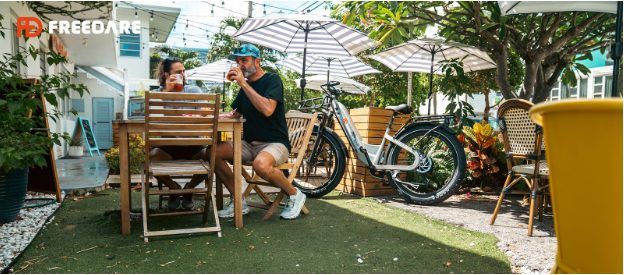
The world of e-bikes has rapidly evolved, transforming from a niche market into a thriving segment of the cycling industry. The appeal of e-bikes lies in their ability to combine traditional cycling with the convenience of electric assistance, making them an ideal choice for various riders—from city commuters to off-road adventurers. However, as the market expands, so too does the demand for customization. Today’s e-bike enthusiasts are not merely content with off-the-shelf models; they seek bikes that reflect their individual preferences, riding styles, and performance needs. This surge in demand for personalized e-bikes has spurred manufacturers to offer a vast array of upgradable components and customization options, allowing riders to fine-tune their bikes to perfection.
Customization is more than just a trend; it’s a testament to the rider’s quest for an e-bike that aligns with their unique identity and specific requirements. Whether it’s enhancing performance, improving comfort, or simply making a visual statement, the ability to modify and upgrade an e-bike has become a significant selling point. This shift towards personalization has also fostered a deeper connection between the rider and their e-bike, as each upgrade or modification becomes a reflection of the rider’s journey and evolution. As technology continues to advance, the possibilities for customization are expanding, offering e-bike owners unprecedented control over the aesthetics and functionality of their rides.
The Evolution of E-Bike Customization
The concept of customizing bicycles is not new, but the advent of e-bikes has brought this practice to new heights. With the integration of electric motors, batteries, and digital components, the opportunities for personalization have grown exponentially. E-bikes offer a unique canvas for riders to express their individuality, whether through performance-enhancing upgrades or aesthetic modifications.
One of the most significant aspects of e-bike customization is the ability to upgrade components. Unlike traditional bikes, where modifications might be limited to a few mechanical parts, e-bikes offer a broader spectrum of components that can be enhanced or replaced. This includes everything from the motor and battery to the frame and wheels. Riders can choose more powerful motors for increased speed, larger batteries for extended range, or even lightweight frames for better maneuverability. These upgrades not only improve the performance of the e-bike but also allow riders to tailor their bikes to their specific needs.
In addition to performance upgrades, e-bikes also offer numerous personalization options that allow riders to make their bikes uniquely theirs. This can include custom paint jobs, unique decals, or even personalized accessories like handlebars, saddles, and grips. For many riders, the visual appeal of their e-bike is just as important as its performance, and the ability to customize the look of their bike is a key aspect of their overall riding experience.
Moreover, the rise of digital technology has further enhanced the possibilities for e-bike customization. Modern e-bikes often come equipped with smart features, such as GPS tracking, smartphone connectivity, and app integration. These digital components can also be customized, allowing riders to adjust settings, monitor performance, and even plan routes through dedicated apps. This level of control and personalization adds a new dimension to the e-bike experience, making it more interactive and tailored to the rider’s preferences.
E-Bike Pedals: A Key Component in Customization
Among the myriad of components that can be customized on an e-bike, pedals play a crucial role in both performance and comfort. While they may seem like a simple part of the bike, pedals are where the rider’s power meets the machine, making them an essential element in the overall riding experience.
E-bike pedals come in a variety of styles, each designed to cater to different riding preferences. For instance, flat pedals are popular among casual riders and commuters due to their ease of use and comfort. They provide a stable platform for the rider’s foot, making them ideal for short trips and city rides. However, for those who seek more control and efficiency, clipless pedals are a preferred option. These pedals allow the rider to “clip in” their shoes, creating a direct connection between the rider and the bike. This connection enhances power transfer, making each pedal stroke more efficient, which is particularly beneficial for long rides or off-road adventures.
Customizing e-bike pedals can significantly impact the rider’s experience. For example, upgrading to clipless pedals can transform a casual e-bike into a performance-oriented machine, ideal for tackling challenging terrains or long-distance rides. Additionally, pedal customization isn’t just about performance; it can also be about comfort. Riders can choose pedals with different shapes, sizes, and grip patterns to suit their foot size and riding style, ensuring maximum comfort and control.
Pedal customization can also extend to the aesthetic realm. Many riders opt for pedals that match the color scheme of their e-bike, adding a touch of personal style to their ride. Whether it’s a sleek black pedal for a minimalist look or a bright, vibrant color to stand out, the ability to choose and change pedals adds to the overall customization experience.
Seat Tube Suspension: Enhancing Comfort and Ride Quality
Another critical component in the customization of e-bikes is the seat tube suspension. This feature plays a vital role in enhancing rider comfort, particularly on rough terrains or long rides. The seat tube suspension is designed to absorb shocks and vibrations from the road or trail, providing a smoother and more comfortable ride.
Upgrading the seat tube suspension can make a noticeable difference in the riding experience, especially for those who frequently ride on uneven surfaces. A high-quality suspension system can reduce fatigue and discomfort, allowing riders to enjoy longer rides without the strain typically associated with rough terrain. This upgrade is particularly beneficial for adventure seekers who take their e-bikes off the beaten path, as it provides the necessary cushioning to handle bumps, roots, and rocks with ease.
In addition to improving comfort, the seat tube suspension can also enhance the overall performance of the e-bike. By absorbing shocks, the suspension system helps maintain better traction and control, which is crucial when navigating challenging trails or making sharp turns. This improved stability not only makes the ride more enjoyable but also safer, as it reduces the risk of losing control on uneven surfaces.
Customizing the seat tube suspension allows riders to fine-tune their e-bike to their specific riding needs. Whether it’s opting for a suspension system with adjustable settings or choosing one with advanced damping technology, riders can select the features that best match their riding style and terrain preferences. Like other components, the suspension system can also be chosen to complement the overall look of the e-bike, blending functionality with personal style.
Conclusion
The ability to customize and upgrade e-bikes has transformed the cycling experience, allowing riders to create machines that are uniquely tailored to their needs and preferences. From performance-enhancing upgrades like e-bike pedals to comfort-focused modifications like seat tube suspension, the options for personalization are vast and varied. This trend towards customization not only reflects the evolving needs of e-bike riders but also underscores the importance of individuality in the modern cycling world. As technology continues to advance, the possibilities for e-bike customization will only expand, offering even more opportunities for riders to create their perfect ride. Whether it’s through upgrading components, personalizing aesthetics, or integrating digital features, the future of e-bike customization promises to be as dynamic and diverse as the riders themselves.


