



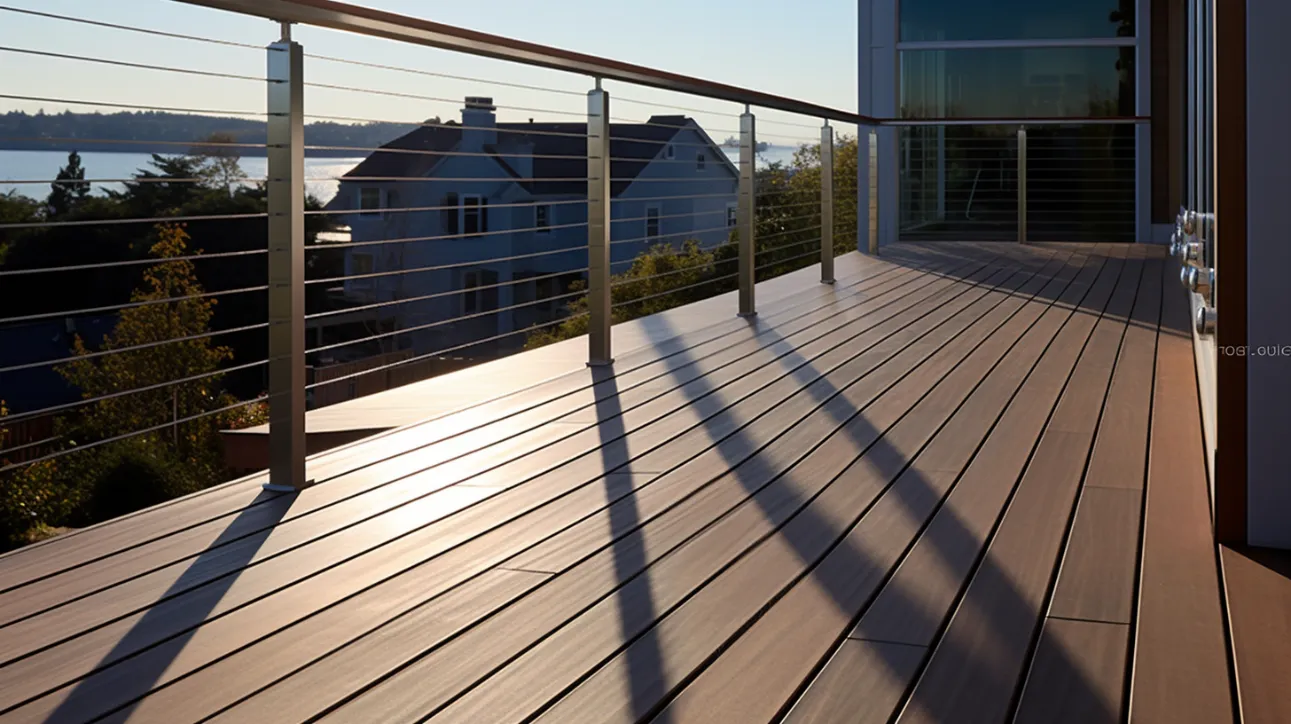
In outdoor design, the way that form and function work together often determines how well a place does. Every outdoor space, from a big garden to a cosy patio to a busy business district, can be used to make an unforgettable experience for its visitors. One important part of reaching this goal is ensuring that composite balustrades and signs work well together. These are two seemingly unrelated parts that, when carefully put together, can make any outdoor space look better and be more useful.
The Role of Composite Balustrades:
Composite balustrades serve a dual purpose in outdoor design. Not only do they provide essential safety and support, especially in elevated areas such as decks, balconies, and terraces, but they also contribute significantly to the overall visual appeal of the space. Composite balustrades are made from reclaimed wood fibres and plastic. They have the classic look of wood but are more durable and require less upkeep than modern materials.
Composite balustrades are unique because they can be used in a lot of different ways. They come in many colours, styles, and finishes, so they can be changed to match any building style or design theme. To achieve either a rustic, traditional look or a sleek, modern feel, composite balustrades can be changed to fit the space’s needs and tastes.
Moreover, composite balustrades are designed to withstand the rigours of outdoor exposure, including harsh weather conditions, UV radiation, and moisture. Unlike traditional wood or metal railing systems, which are prone to rot, corrosion, and fading, composite balustrades offer long-lasting performance without the need for frequent maintenance or refinishing. This durability makes them an ideal choice for both residential and commercial applications, where aesthetics must be balanced with practicality and longevity.
The Importance of Signage:
Signs are an important part of outdoor design because they direct, teach, and engage visitors. From directional signs and informational plaques to branding elements and promotional displays, signage helps create a cohesive and intuitive experience for users, enhancing both functionality and aesthetic appeal.
When it comes to outdoor spaces, signage serves multiple purposes. In addition to providing essential information such as wayfinding instructions, safety guidelines, and facility regulations, signage also contributes to the overall ambience and atmosphere of the environment. By incorporating branding elements, graphics, and typography that reflect the identity and character of the space, signage can help establish a strong sense of place and reinforce the desired narrative or theme.
Moreover, signage offers an opportunity for creativity and expression in outdoor design. Whether through innovative materials, interactive features, or dynamic lighting effects, signage can captivate and engage visitors, transforming an ordinary space into an immersive and memorable experience. By thinking about where signs go, how they look, and what they say about the rest of the space, artists can make an experience that flows well and connects with people on a practical and emotional level.
Achieving Aesthetic Excellence Through Integration:
The true magic happens when composite balustrades and signage are seamlessly integrated into the fabric of the outdoor environment, working together to enhance both form and function. By coordinating colours, materials, and design elements, designers can create a unified visual language that ties the various components of the space together into a cohesive whole.
One approach to integration is to use signage elements as accent features within the balustrade system itself. For example, decorative panels, inserts, or trim pieces can be incorporated into the railing design, adding visual interest and personality while also serving a practical purpose. By echoing the colours, textures, and motifs found elsewhere in the space, these integrated signage elements help create a sense of continuity and coherence, reinforcing the overall design concept and aesthetic theme.
Another strategy is to use signage to enhance the functionality of the balustrade system. For instance, directional signs or informational displays can be mounted directly onto the railing structure, providing users with essential guidance and information exactly where they need it most. By integrating signage seamlessly into the balustrade design, designers can maximize the efficiency and effectiveness of the space while minimizing visual clutter and distractions.
In addition to physical integration, designers can also explore creative ways to align the messaging and imagery of signage with the overarching theme or narrative of the outdoor environment. Whether through subtle references, thematic motifs, or storytelling elements, signage can help reinforce the desired ambience and atmosphere, inviting users to engage more deeply with their surroundings and creating a more immersive and memorable experience.
Case Study:
To illustrate the principles of integration and cohesion in action, let’s consider a hypothetical case study of a luxury resort with a sprawling outdoor pool area. With its use of earthy tones, natural materials, and lots of plants, the resort’s design is based on the beauty of the surrounding environment.
For the pool area, the design team opts for composite balustrades made from weather-resistant materials in warm, wood-like finishes. The balustrades feature integrated signage elements, including discreetly mounted plaques with safety information, directional signs pointing guests towards amenities such as changing rooms and towel stations, and branded panels featuring the resort’s logo and motto.
In addition to their practical functions, these signage elements also serve to enhance the visual appeal of the balustrades, creating focal points and visual interest throughout the space. By coordinating the colours and typography of the signage with the overall design scheme, the resort’s design team ensures a seamless integration that feels both intuitive and immersive.
Conclusion:
In the realm of outdoor design, the successful integration of composite balustrades and signage is essential for creating a cohesive and visually stunning environment. By leveraging the unique strengths of each component and exploring innovative ways to unite them into a unified whole, designers can elevate the aesthetics and functionality of outdoor spaces, enhancing both form and function. Whether through physical integration, thematic alignment, or creative expression, the synergy between composite balustrades and signage offers endless possibilities for crafting memorable and immersive experiences that delight and inspire users.


