






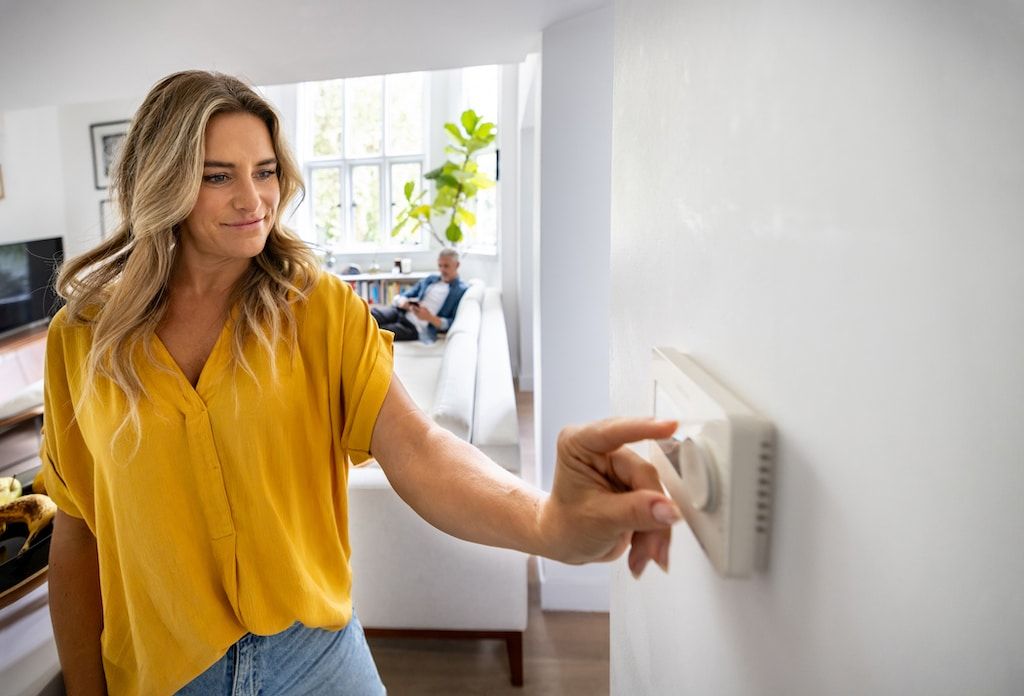
The best performance and most extended lifespan of a home’s cooling system depend on regular maintenance. You can keep your house warm in the summer and avoid expensive repairs with routine maintenance. Whether you handle some tasks or hire a Portland area ac contractor, staying proactive can save you time and money. A properly maintained system also runs more efficiently, using less energy and reducing utility bills.
Regular maintenance of your cooling system’s critical components can prevent common issues and ensure smooth operation. Essential tips guide you through maintenance, providing comfort and equipment longevity and protecting your investment.
Introduction to Home Cooling System Maintenance
Regular cooling system maintenance is not just about comets but also about efficiency and cost savings. A well-maintained system uses energy more efficiently, which can reduce your monthly utility bills. Furthermore, proactive maintenance prevents minor problems from becoming significant repairs by assisting in the early detection of any issues. Frequent maintenance and inspections enhance indoor air quality since well-kept, clean systems do not retain mildew, dust, or other allergens that could spread throughout your house.
Regular Filter Cleaning and Replacement
Keeping your filters clean is one of the most straightforward yet practical maintenance tasks. Filters trap dust, dirt, and allergens, preventing them from circulating through your home. Over time, these filters can become clogged, reducing airflow and forcing your system to work harder. Regular replacement ensures your system remains efficient, lowering energy consumption and maintaining indoor air quality. Additionally, well-maintained filters save system wear and tear and prolong system life.
Importance of Checking Refrigerant Levels
Refrigerant is crucial for your cooling system, absorbing heat and releasing it outside. Low levels can cause energy use and compressor damage. Regular checks and maintenance are essential for optimal performance. Imbalances or leaks can reduce efficiency and cause irreparable harm, leading to costly repairs or system replacement. Professional assessment and maintenance of refrigerant levels help maintain peak operating conditions and prevent irreparable damage.
Ensuring Unobstructed Airflow
A blockage in the airflow might significantly lessen the deficiency of your ecosystem. Ensure that vents are free from obstructions like furniture or drapes. Additionally, outdoor units should have at least two feet of clearance on all sides. Trimming back bushes and removing debris can help maintain proper airflow. Regularly inspecting and clearing the immediate vicinity of your outdoor unit can prevent airflow blockages and ensure that your system performs at its best. This simple step can also safeguard against potential mechanical issues caused by debris and outdoor elements interfering with the system.
Scheduling Professional Servicing
Regular DIY maintenance is beneficial, but professional servicing is essential for maintaining a system. An expert technician can comprehensively examine, identify, and rectify issues, check electrical connections, measure airflow, and calibrate the thermostat. Scheduling a professional service at least once a year is recommended for optimal system performance. Professional assessments help identify potential problems early, provide maintenance tips, and meet safety standards.
The Role of Smart Thermostats in System Efficiency
Smart thermostats offer advanced features like programmable schedules, remote control via smartphone apps, and learning capabilities that adapt to user habits. Optimizing cooling system performance can lead to energy savings and improved comfort. They provide detailed usage reports and predictive maintenance alerts, reducing energy consumption and costs. Integration with other smart home appliances produces a more efficient home environment.
Signs Your Cooling System Needs Professional Attention
Even with diligent maintenance, cooling systems can develop issues that require professional intervention. Common signs include:
- Unusual sounds, such as screeching or grinding, may be signs of mechanical problems
- Unusual odors coming from vents, suggesting mold or electrical problems
- Poor airflow or uneven cooling, hinting at blockages or duct issues
- Sudden spikes in energy bills, which can point to inefficiencies in the system


