



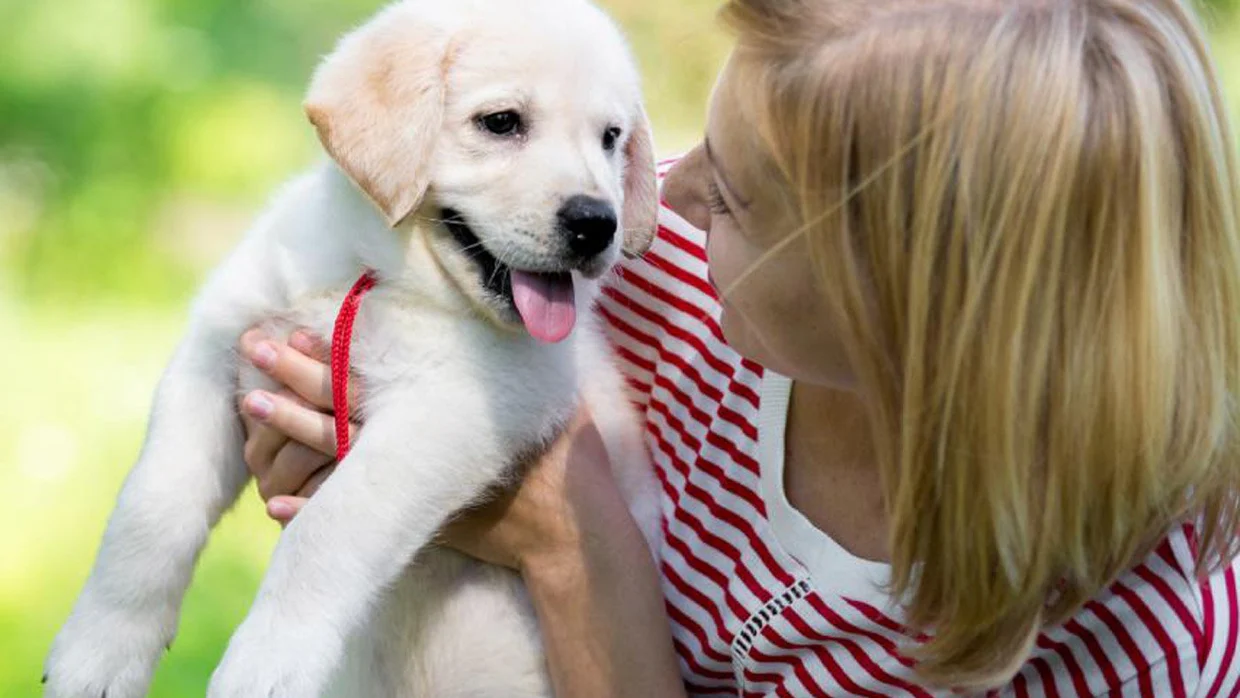
Bringing a dog into your home is a big step. It can be exciting, but you may have many questions. What does your dog need? How do you make them comfortable? Every decision affects the bond you build with your new pet. Committing to this journey means getting ready for the responsibilities of dog ownership.
The first days with your dog can feel overwhelming, but don’t let that discourage you. Knowledge and planning are important. From food to training, understanding the basics helps create a happy and healthy relationship with your furry friend.
Here are some best practices for new dog owners.
Nutrition Matters
What you feed your dog is essential for its health. Good-quality food helps dogs grow strong and stay healthy. Look for food that has high protein and low fillers. This ensures your dog gets the nutrients it needs for energy and overall well-being.
Orijen dog food is an excellent choice because it uses high-quality ingredients. It includes fresh, local foods for a balanced diet similar to what dogs would eat in the wild. It’s high in protein and has no artificial additives, giving your dog the energy it needs to thrive. A well-balanced diet can also improve your dog’s coat and energy levels.
When choosing food, consider your dog’s age and size. Small breeds like Cavapoo puppies need different nutrients than those required by adult dogs or seniors.
Research and talk to your veterinarian to find the best food for your pet.
Training Essentials
Training starts the moment your dog arrives home. Set rules and routines from day one to help your dog adjust. Teach simple commands like “sit,” “stay,” and “come” to lay the groundwork for good behaviour.
Be consistent with your commands, hand signals, and rewards. This helps your dog understand what you expect, reducing your frustration. Keep training sessions short and fun. Dogs respond well to praise and treats, so positive reinforcement is important.
Socialization is also important. Introduce your dog to different environments, people, and other animals. This builds confidence and helps prevent behaviour issues later on. Positive experiences early on will pay off in the long run.
Routine and Environment
A stable routine makes your dog feel secure. Set regular feeding times, bathroom breaks, and play times. This consistency helps your dog settle in and feel at home.
Create a safe space in your home where your dog can relax. A cozy bed in a quiet corner is a good choice. Provide non-toxic toys that keep them engaged. Regular exercise is crucial too. Daily walks and playtime keep your dog fit and strengthen your bond.
Healthcare Plans
Routine veterinary care is essential. Regular check-ups can cause health problems early. Vaccinations, flea and tick prevention, and spaying or neutering are important parts of responsible dog ownership.
Dental health is often overlooked. Brush your dog’s teeth, give dental chews, and provide suitable toys to help maintain good oral hygiene. Proper dental care lowers the risk of periodontal disease and other health issues.
Grooming Basics
Grooming is important for your dog’s health. Regular brushing keeps their coat healthy and reduces shedding. Different breeds need different grooming, so determine what works best for your dog’s coat type.
How often you bathe your dog depends on its activity level and coat type. Some dogs need regular baths, while others may only need occasional washing. Pay attention to your dog’s ears, nails, and teeth as well. Keeping these areas clean helps prevent health problems.
Building the Bond
You need time and patience to build a strong connection with your dog. Play together, cuddle, and train as a team. These activities strengthen your relationship and build trust.
Use positive reinforcement to enhance your bond. Celebrate small achievements during training and enjoy walks together. Understanding your dog’s personality and likes helps deepen your connection.
Provide mental stimulation with puzzle toys or obedience games to keep their mind active and enrich their time together.
Safety First
Keeping your dog safe at home and in the yard is important. Remove anything that could harm them, like toxic plants, chemicals, or small items they might choke on. Use a sturdy leash and a proper collar with ID tags when you take them for walks. Make your home safe for your dog, just like you would for a child. Consider using baby gates to block off areas that could be dangerous.
Understanding Behaviour
Knowing your dog’s body language helps you communicate better. Dogs show how they feel through their movements, barks, and expressions. Learn to read their signals, like a wagging tail for happiness or growling for discomfort. Understanding these signs can prevent problems and strengthen your bond. If you face behavioural issues, find a professional trainer or take obedience classes for help and advice.


